Thames Water lenders preparing legal challenge in event of Burnham nationalisation
Source Entity
BBC News
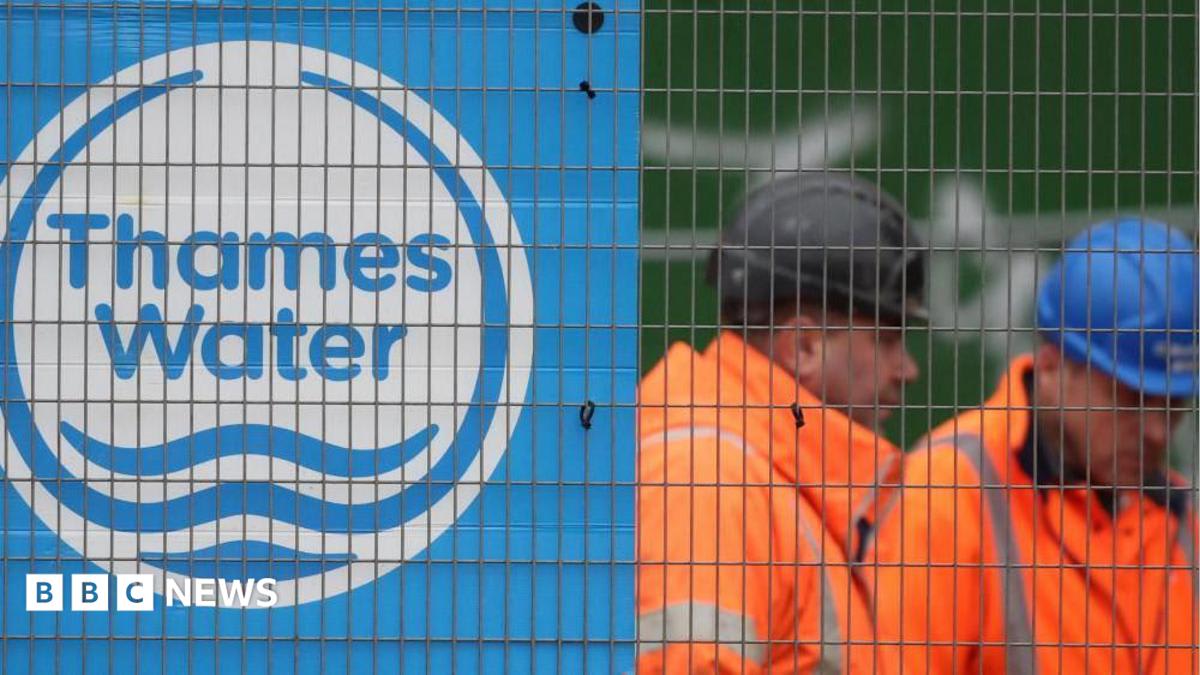
Lenders to Thames Water are preparing a legal challenge to demand full repayment of £20bn in debt if the incoming Burnham government nationalizes the company. A previous proposal to write off half the debt in exchange for pollution fine leniency was rejected as being too weak.
The Looming Battle Over Thames Water Nationalisation
As the United Kingdom prepares for a transition in leadership, a high-stakes financial confrontation is brewing between the incoming administration and the creditors of Thames Water. With Prime Minister Burnham set to take office on Monday, his stated ambition to bring "greater public control" to the water and energy sectors has put the UK's largest water company directly in the crosshairs. The tension centers on the potential nationalisation of Thames Water, a move that would shift the utility from private ownership to state control, triggering a massive legal and financial standoff with the company's lenders.
The £20 Billion Debt Impasse
At the heart of this conflict is a staggering financial burden: Thames Water is currently burdened by approximately £20 billion in debt. This level of indebtedness has left the company in a precarious position, necessitating complex negotiations with its creditors to avoid total collapse. The scale of this debt makes any attempt at nationalisation a fraught process, as the state would not only be inheriting the operational responsibilities of the utility but would also potentially be inheriting the legal obligations associated with these massive loans.
Failed Compromises and Environmental Concerns
Prior to the current political transition, lenders attempted to broker a deal to stabilize the company. This proposal involved writing off nearly half of the outstanding debt and injecting fresh capital into the business. However, this financial lifeline came with a controversial condition: the creditors sought leniency regarding future pollution fines. This specific demand proved to be a deal-breaker for the government, which rejected the proposal on the grounds that it was "weak" and detrimental to both consumers and the environment. This rejection underscores a fundamental clash between the financial imperatives of the lenders and the regulatory and ethical obligations of the state to protect the UK's waterways.
The Legal Strategy of the Creditors
In response to the threat of nationalisation, sources close to the creditors indicate that they are now preparing a robust legal challenge. The lenders' strategy is clear: if the Burnham-led government proceeds with a full nationalisation of the utility, the creditors will no longer seek compromise or write-offs. Instead, they intend to pursue the payment of the outstanding debts in full. This pivot from a negotiated settlement to a demand for full repayment suggests that lenders view nationalisation as a breach of their financial interests, intending to hold the state accountable for the multi-billion pound liability.
Broader Implications for UK Infrastructure
This standoff reflects a broader ideological struggle over the role of private capital in essential public services. The push for nationalisation represents a shift toward a more interventionist state, aiming to prioritize public service and environmental stewardship over shareholder returns. However, the threat of a multi-billion pound legal battle highlights the risks associated with such a transition. If the government is forced to pay out the full £20 billion to satisfy creditors, the cost of nationalisation could become a significant burden on the national treasury, potentially offsetting the perceived benefits of public control.
Conclusion and Future Outlook
As PM Burnham assumes power, the resolution of the Thames Water crisis will serve as a litmus test for his government's ability to manage critical infrastructure and negotiate with global financial markets. The path forward remains uncertain: the government must balance its commitment to environmental protection and public ownership against the reality of a massive debt obligation and an aggressive legal posture from lenders. The outcome will likely set a precedent for how the UK handles the nationalisation of other energy and water utilities in the future.