The Beam Engine
Source Entity
Hacker News
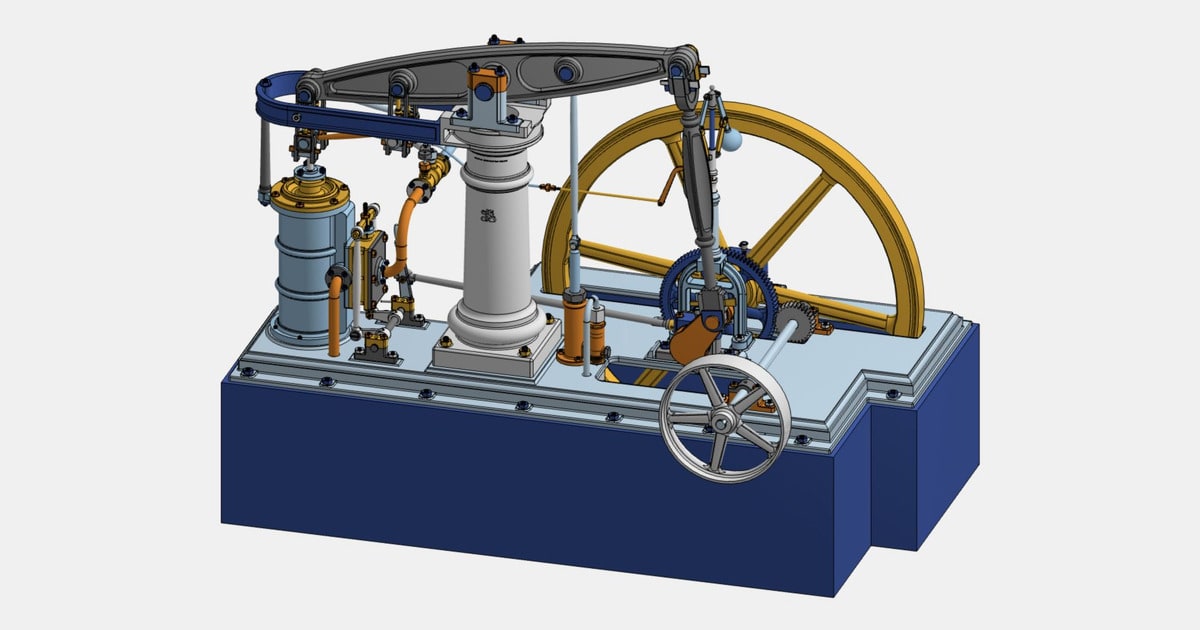
The beam engine was a pivotal invention of the Industrial Revolution, utilizing steam expansion to generate significant mechanical power. This analysis explores the fundamental physics of steam power and its transformative role in historical industrialization.
The Engine That Changed the World: Understanding the Beam Engine
The Mechanics of Industrial Power
The beam engine stands as a monumental achievement in engineering history, serving as the primary driver of the Industrial Revolution. By converting thermal energy from steam into consistent mechanical work, these engines were capable of producing approximately fifteen horsepower continuously. To put this into perspective, a single engine could perform the labor equivalent of 150 human workers, fundamentally altering the nature of production and labor efficiency in the 18th and 19th centuries.
Harnessing the Power of Steam
At the core of the beam engine’s operation is the physics of phase change. When water is heated, it transitions into steam, which undergoes a dramatic expansion to 1,700 times its original liquid volume. This rapid expansion creates the pressure required to drive pistons and move the heavy iron beams that give these engines their name. By containing this expansion within a controlled cylinder, engineers were able to harness force that was previously uncontrollable, setting the stage for modern thermodynamics.
The Catalyst for the Industrial Revolution
The transition from human and animal labor to mechanical steam power was the defining shift of the Industrial Revolution. Before the widespread adoption of the beam engine, manufacturing was limited by the physical constraints of water wheels or manual exertion. The ability to generate power on-demand, regardless of geographic location or river proximity, allowed factories to proliferate, leading to the rapid urbanization and economic expansion that characterized the era.
Engineering Principles and Innovation
The design of the beam engine relies on first principles that remain relevant in modern mechanical engineering. By using interactive digital modeling, students and enthusiasts can now visualize the complex linkages and cycles that make these machines function. This pedagogical approach highlights how historical innovation was built on the careful observation of heat, pressure, and kinetic energy, fostering an environment where iterative design could flourish.
Legacy and Technological Trajectory
The beam engine did more than just move machinery; it established the blueprint for the internal combustion engines and turbines that define our modern world. The transition from large, stationary beam engines to more compact, high-pressure designs paved the way for locomotives, steamships, and, eventually, the complex power grids of today. Understanding the beam engine is, in essence, understanding the genesis of our current technological civilization.
Conclusion
In summary, the beam engine was the heartbeat of a changing world. By mastering the expansion of steam, early engineers unlocked potential that transformed global economies and societal structures. As we look back at these iron giants, we gain not only an appreciation for historical ingenuity but also a deeper understanding of the fundamental scientific principles that continue to drive our modern industrial advancements.