Naked mole-rat queens use a chemical signal to suppress fertility in rivals
Source Entity
Jacek Krywko
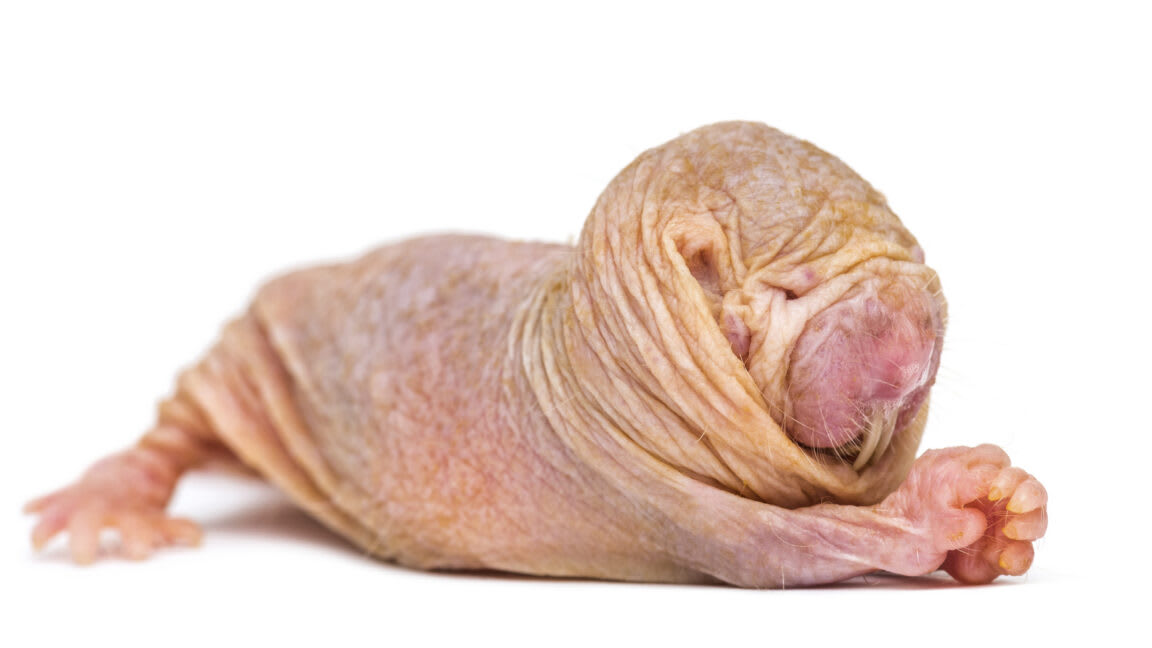
Researchers at the Max Delbrück Center have discovered that naked mole-rat queens use a specific chemical signal to suppress the fertility of subordinate females. This finding clarifies how these eusocial rodents maintain reproductive hierarchy without relying on constant physical aggression.
The Chemical Architecture of Eusociality
Naked mole-rats (Heterocephalus glaber) have long fascinated the scientific community due to their extraordinary physiological adaptations. Beyond their famed longevity and resistance to cancer, these rodents exhibit a complex social structure known as eusociality. Similar to honeybees or ants, these colonies function as a superorganism, where reproductive labor is strictly divided. For years, the mechanism behind this reproductive suppression remained a mystery, with many researchers assuming that the queen maintained her status through physical bullying and overt aggression.
Challenging the Paradigm of Violence
The hypothesis that queens relied solely on physical dominance to prevent other females from breeding was always logically strained. Given that naked mole-rat colonies inhabit subterranean tunnel systems that can span up to three kilometers, it is physically impractical for a single queen to patrol these vast networks constantly to enforce her will through violence. The new research conducted by the Lewin Lab at the Max Delbrück Center for Molecular Medicine in Berlin suggests a far more efficient and sophisticated mechanism: chemical signaling.
The Role of Chemical Pheromones
By identifying a specific chemical secreted by the queen that acts as a reproductive inhibitor, scientists have uncovered a biological 'switch' that enforces the colony’s social order. This discovery shifts our understanding of rodent behavior from one based on constant conflict to one mediated by internal biochemistry. This chemical signal likely acts upon the subordinate females to suppress their hormonal pathways, effectively sterilizing them while they remain within the queen's sphere of influence.
Evolutionary Advantages and Survival
The evolutionary success of the naked mole-rat is tied to this rigid hierarchy. By limiting reproduction to a single queen, the colony minimizes internal competition and maximizes the efficiency of labor, such as foraging and tunnel maintenance. This specialization allows the colony to endure extreme environments, including low-oxygen conditions and high-stress underground habitats, where individual survival would be significantly lower.
Broader Implications for Biology
Understanding how these rodents suppress fertility through chemical means opens new doors in reproductive biology and endocrinology. If a single chemical signal can effectively control the reproductive output of an entire colony, it raises questions about similar signaling pathways in other species. While humans and most mammals do not share this exact form of eusociality, the mechanisms by which hormones and pheromones regulate complex social behaviors remain a critical area of study.
Conclusion: A New Era of Understanding
The work from the Lewin Lab marks a definitive turning point in the study of naked mole-rats. By replacing the theory of brute force with the precision of chemical communication, researchers have provided a clearer picture of how these unique creatures maintain their complex, underground societies. This discovery not only enhances our knowledge of rodent behavior but also highlights the incredible ingenuity of evolutionary adaptation in extreme environments.