Long Presumed Dead, a Thriving Coral Reef Is Discovered in West Africa
Source Entity
Hacker News
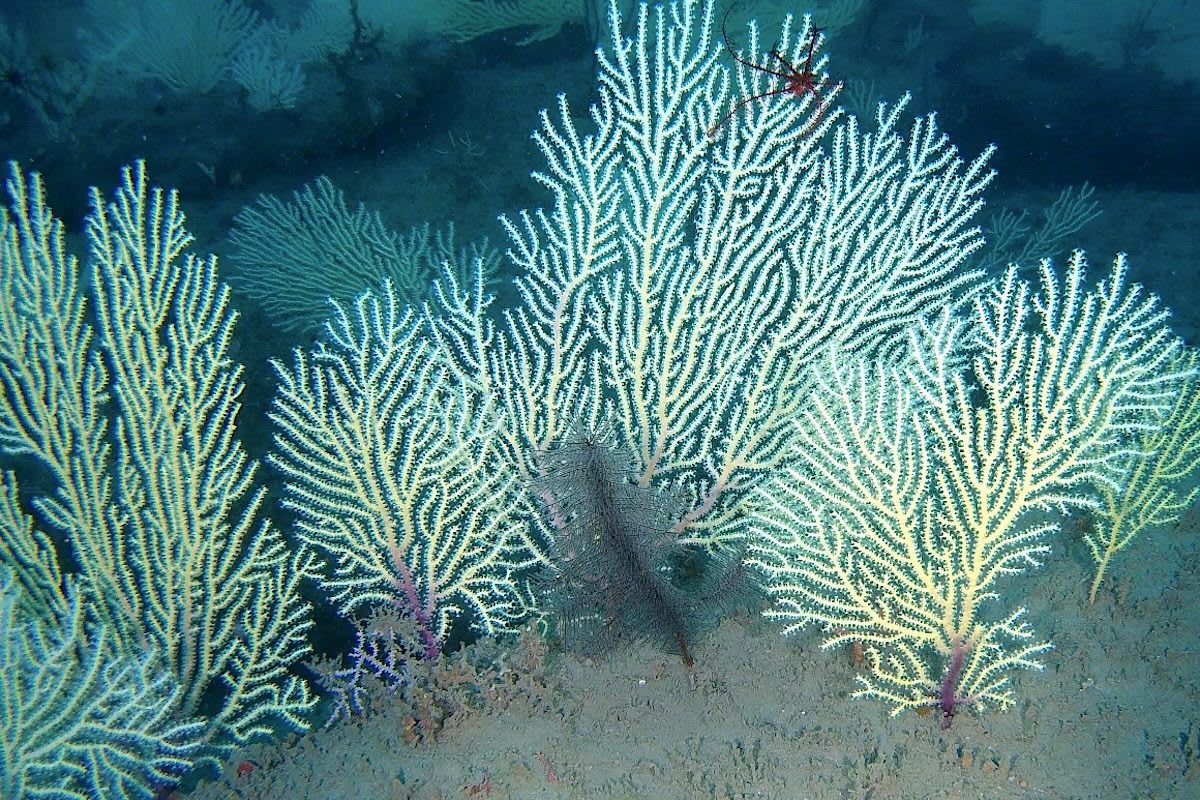
Scientists have rediscovered a thriving coral reef off the coast of Benin, sixty years after it was initially documented. This rare find offers a beacon of hope for marine conservation amidst global declines in coral health.
The Rediscovery of a Lost Ecosystem
In a remarkable turn of events for marine biology, researchers have successfully located a thriving coral reef system off the coast of Benin, West Africa. This discovery marks the end of a sixty-year mystery that began in the 1960s when fishing surveyors accidentally pulled coral fragments from the seabed while mapping the Gulf of Guinea. For decades, the existence of this reef remained a footnote in a long-forgotten report, effectively lost to the scientific community.
The Historical Oversight
The initial discovery occurred during a period when the primary objective of regional maritime surveys was to assess fish stocks and identify trawlable seabeds. Because the primary goal was economic extraction rather than ecological conservation, the coral findings were relegated to a single paragraph within a massive 130-page document. This institutional neglect allowed the reef to slip from the collective consciousness, leading subsequent generations of oceanographers to assume the site had been destroyed by environmental degradation.
A Global Context of Decline
The assumption that the reef had vanished was not without merit. Globally, coral reefs have faced an existential crisis since the mid-20th century, with more than 50 percent of the world’s coral cover lost due to anthropogenic factors. Rising ocean temperatures, which trigger mass bleaching events, combined with the destructive impact of overfishing, have decimated reef ecosystems worldwide. Against this backdrop of rapid environmental decline, the scientific community had largely written off the Gulf of Guinea as a region incapable of supporting such complex coral structures.
Implications for Marine Biology
The persistence of this reef in West African waters presents a profound shift in our understanding of resilience. If a reef can survive for six decades in an area previously thought to be devoid of such biodiversity, it suggests that there may be 'refugia'—pockets of the ocean that are better equipped to withstand environmental stress than previously modeled. This discovery challenges current paradigms regarding where we expect to find thriving coral populations and highlights the critical need for updated, non-extractive marine mapping.
Future Trends in Conservation
Moving forward, the rediscovery of the Benin reef will likely catalyze a new wave of localized conservation efforts. By identifying the specific environmental conditions that allowed this reef to survive when others perished, scientists can better tailor protection policies for the Gulf of Guinea. This finding serves as a powerful reminder that our records of the natural world are incomplete; as technology advances, the potential for 'rediscovering' hidden ecosystems offers a vital opportunity to protect biodiversity before it is lost forever.