The right to ask why: The case for the dissenting athlete
Source Entity
Latest News: Todays Latest News Headlines from India & World | Hindustan Times | Hindustan Times
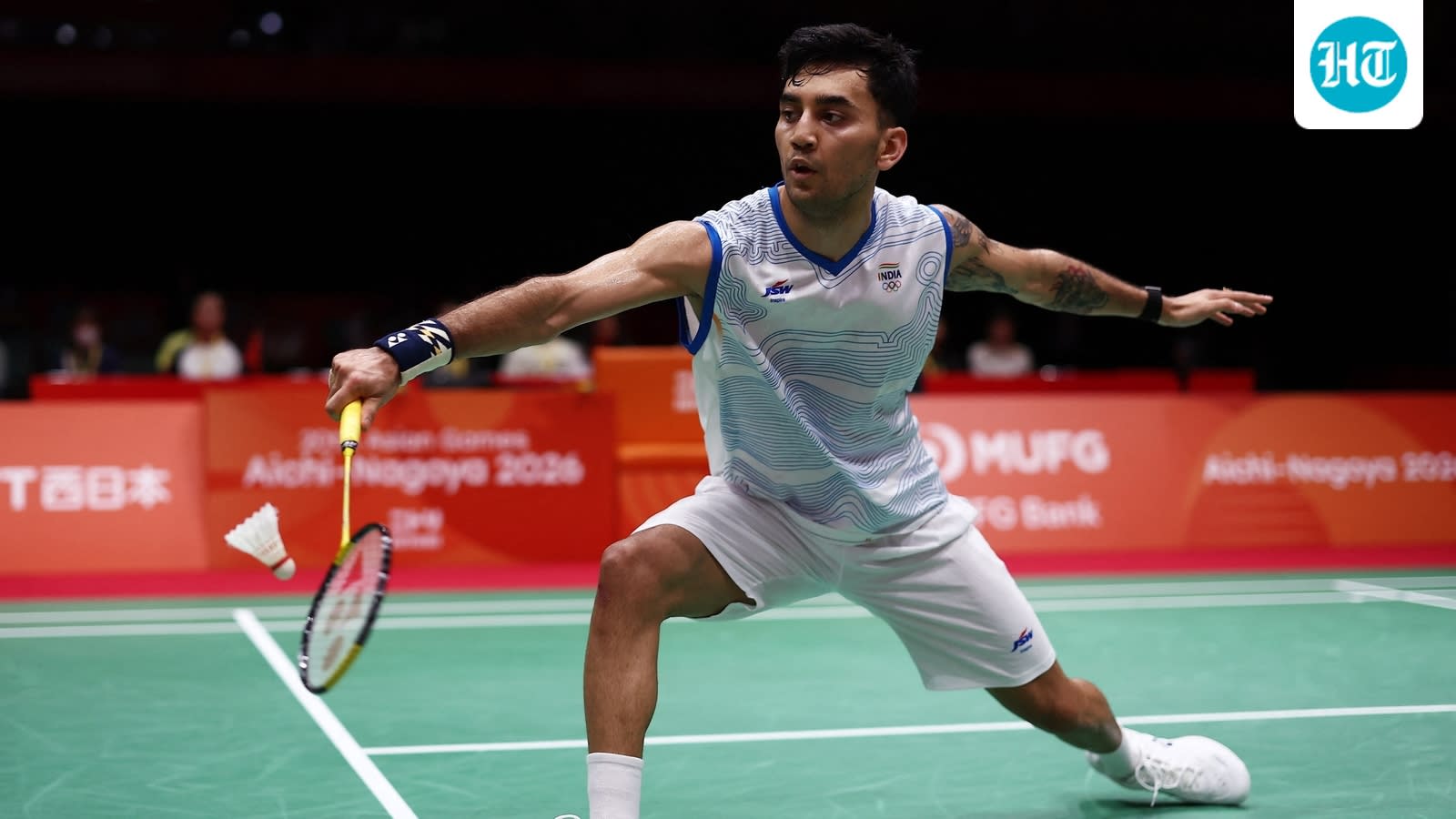
Grandmaster Srinath Narayanan and coach Vimal Kumar advocate for a shift in sports culture that values athlete curiosity over blind obedience. They argue that questioning coaching methods is essential for long-term development and high-level success.
The Evolution of Athlete Agency
The traditional model of sports coaching has long been rooted in a hierarchical structure where the coach’s word is final and the athlete’s role is one of passive execution. However, contemporary perspectives from figures like Grandmaster Srinath Narayanan and veteran badminton coach Vimal Kumar suggest that this paradigm is shifting. The narrative surrounding the 'dissenting athlete' is being rebranded; what was once perceived as defiance is now increasingly recognized as a form of intellectual curiosity necessary for elite performance.
Overcoming the Stigma of Innovation
Srinath Narayanan’s personal experience in the early 2000s serves as a poignant case study for the resistance to innovation in sports. When he first embraced online blitz chess—a format now foundational to the game's global explosion—he was met with dismissal from authority figures who viewed it as a distraction. This historical anecdote highlights how entrenched dogmas can stifle progress. By questioning these boundaries, athletes like Srinath were not just playing a game; they were pioneering the future of their sport, demonstrating that curiosity is often a precursor to evolution.
The Cultural Hurdle in Indian Sports
Vimal Kumar’s observation regarding the culture of 'unquestioning obedience' in Indian sports points to a deeper societal challenge. In many high-performance environments, the fear of appearing insubordinate often prevents athletes from seeking clarification or suggesting alternative strategies. This cultural constraint acts as a bottleneck for personal development. When an athlete lacks the independence to analyze their own training, they remain reliant on a coach's static perspective, which may not always align with the evolving demands of modern competition.
The Cognitive Benefits of Inquiry
True mastery in sports requires a deep, cognitive understanding of one's own craft. When an athlete asks 'why' a certain technique is being employed or why a specific strategy is being recommended, they are engaging in a process of internalizing knowledge. This analytical engagement ensures that the athlete is not merely a vessel for the coach's instructions but an active participant in their own growth. This shift from passive reception to active dialogue is vital for developing the resilience and adaptability needed to overcome pressure on the world stage.
Future Trends: The Collaborative Coach-Athlete Dynamic
Looking ahead, the relationship between coaches and athletes is likely to move toward a more collaborative, partnership-based model. Future-ready coaching systems will prioritize communication and transparency, acknowledging that the athlete’s perspective is a valuable data point in the training process. As the digital age continues to provide athletes with more access to information and global best practices, the authority of the coach will increasingly stem from their ability to mentor and guide rather than dictate.
Conclusion
The case for the dissenting athlete is ultimately a case for better, more sophisticated sports development. By fostering an environment where curiosity is encouraged rather than silenced, the sporting community can unlock higher levels of potential. Moving beyond the outdated expectation of blind obedience is not just about personal expression; it is about building the intellectual and strategic independence required to reach the pinnacle of professional success.
Verification Required?