The IBM PC, Part 1: Arrival
Source Entity
Hacker News
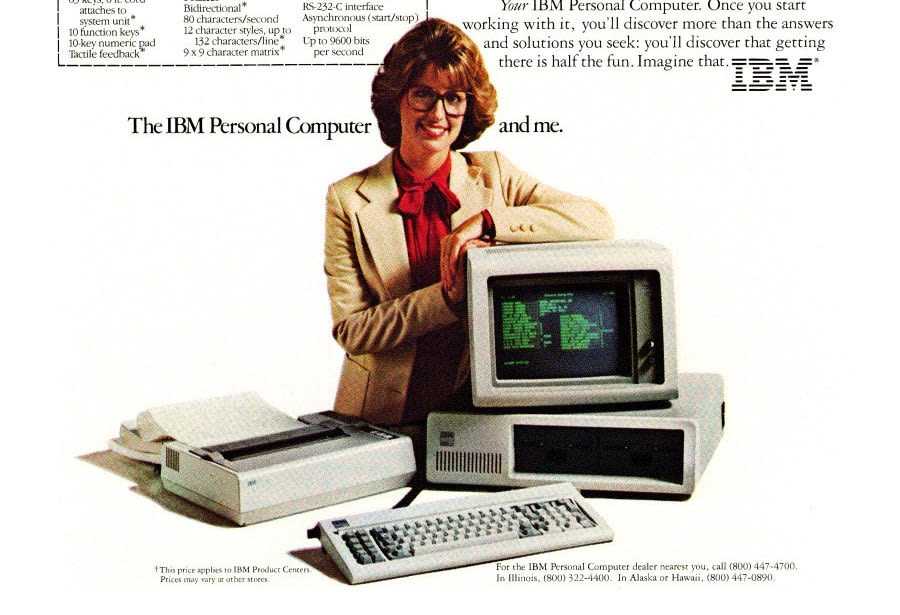
The early 1980s personal computer market was a fragmented landscape of incompatible hardware and software standards. This environment set the stage for the arrival of the IBM PC, which would eventually shift the industry toward a unified architecture.
The Chaotic Genesis of Personal Computing
The early 1980s represented a unique, volatile era in the history of technology. Before the industry reached a state of standardization, the personal computer market operated as a raucous bazaar, characterized by a dizzying array of competing hardware and software ecosystems. Consumers faced a landscape where machines from manufacturers like Apple, Atari, Radio Shack, Commodore, and Texas Instruments were largely incompatible, each fostering its own insular sub-culture of enthusiasts, clubs, and specialized magazines.
The Battle of Technical Standards
Fragmentation was the defining feature of the period. While some manufacturers attempted to coalesce around the S-100 bus architecture and the CP/M operating system developed by Gary Kildall—a standard favored by companies like North Star and Vector Graphic—they never achieved a true monopoly. This lack of a unified platform meant that consumers were essentially locked into specific hardware ecosystems, as peripherals, software, and even basic graphics and sound standards varied wildly from one brand to the next.
Processor Dominance and Programming Languages
Beneath the surface of this hardware competition, the industry was largely divided by the choice of central processing unit (CPU). Most microcomputers at the time relied on either the Intel 8080 or the MOS Technology 6502 architectures. These processors served as the foundation for the software of the day, primarily interpreted languages like BASIC. Because BASIC dialects were often proprietary to each machine, the dream of "write once, run anywhere" software remained elusive for the average user.
Market Dynamics and Partisanship
This technical fragmentation fueled intense brand loyalty. Users were not merely consumers but partisans, deeply invested in the superiority of their chosen machines. This tribalism was reinforced by niche publications and local user groups that functioned as the primary support networks for these disparate systems. The lack of interoperability meant that the personal computer market was effectively a collection of silos, each with its own barrier to entry.
The Calm Before the Storm
As the industry matured, the limitations of this fragmented bazaar became increasingly apparent to both developers and business users. The reliance on diverse, non-standardized components hindered scalability and discouraged the development of professional-grade software. This environment provided the necessary context for the arrival of the IBM PC, a machine that would eventually bring order to the chaos by introducing a standardized architecture that would dominate the next several decades of computing history.