The woman reimagining Kattaikoothu for a warming world
Source Entity
India Latest News: Top National Headlines Today & Breaking News | The Hindu
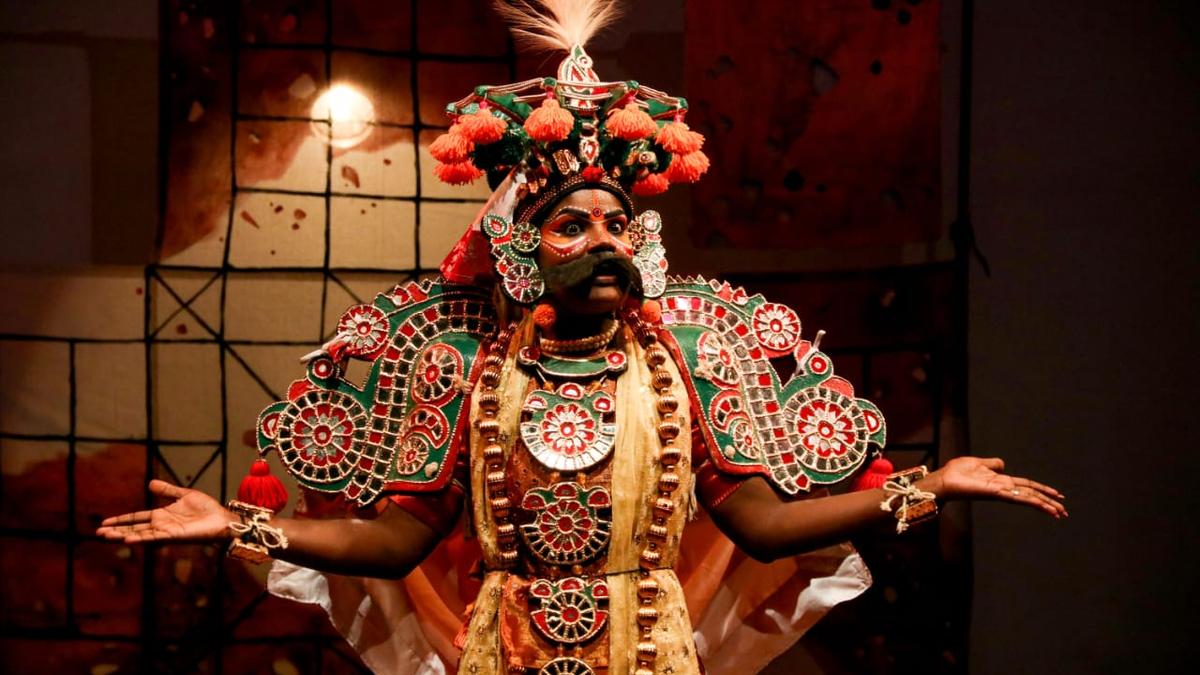
Thilagavathi Palani is adapting the traditional Tamil folk theatre form, Kattaikoothu, to raise awareness about climate change and rising temperatures. By moving away from mythological epics, she addresses modern health and livelihood challenges facing local communities.
The Evolution of Tradition: Kattaikoothu in the Modern Era
For centuries, Kattaikoothu has served as a cornerstone of Tamil cultural expression, traditionally rooted in the retelling of the Mahabharata and other foundational epics. Characterized by vibrant costumes, rhythmic music, and high-intensity performance, the art form has historically functioned as a vessel for moral instruction and historical preservation. However, the work of Thilagavathi Palani represents a paradigm shift, as she pivots this classical medium toward the urgent, existential threat of climate change.
Addressing the Invisible Enemy
Thilagavathi Palani, a pioneer who broke gender barriers in the industry over two decades ago, has reimagined the stage to confront the blistering heat currently plaguing Tamil Nadu. By replacing traditional mythological adversaries with the 'invisible enemy' of rising temperatures, she bridges the gap between historical storytelling and modern scientific reality. This transition is critical, as it translates abstract environmental data into relatable, dramatic narratives that resonate deeply with local populations.
A History of Social Advocacy
This is not the first time Palani has utilized theatre as a vehicle for social change. Her career has been defined by a consistent commitment to public health and social justice, having previously staged productions on critical topics such as leprosy, anaemia, and gender equality. Her expertise in the Kattaikoothu form allows her to leverage the medium's established credibility and emotional impact to disseminate information on issues that might otherwise be ignored by rural audiences.
The Intersection of Climate and Livelihood
Beyond simple awareness, Palani’s work highlights the direct nexus between climate change, health, and economic stability. By focusing on how rising temperatures specifically impact the livelihoods of people in regions like Ranipet, she underscores the vulnerability of traditional communities to environmental shifts. This approach transforms the theatre from a mere performance space into a vital community forum for discussing adaptation and survival.
Future Implications for Folk Media
Palani’s success suggests a promising future for traditional arts in the climate era. As global climate communication often relies on digital and western-centric formats, the use of indigenous, community-led theatre proves to be an effective strategy for grassroots engagement. By centering climate change in traditional vernacular, performers like Palani ensure that the most vulnerable populations are not only informed but culturally empowered to face a warming world. Her ongoing work serves as a blueprint for how intangible cultural heritage can be successfully mobilized to address the defining challenges of the 21st century.
Verification Required?