Thrissur’s Thekkinkadu Maidan at the crossroads: High Court order unites Kerala voices to defend iconic public space
Source Entity
India Latest News: Top National Headlines Today & Breaking News | The Hindu
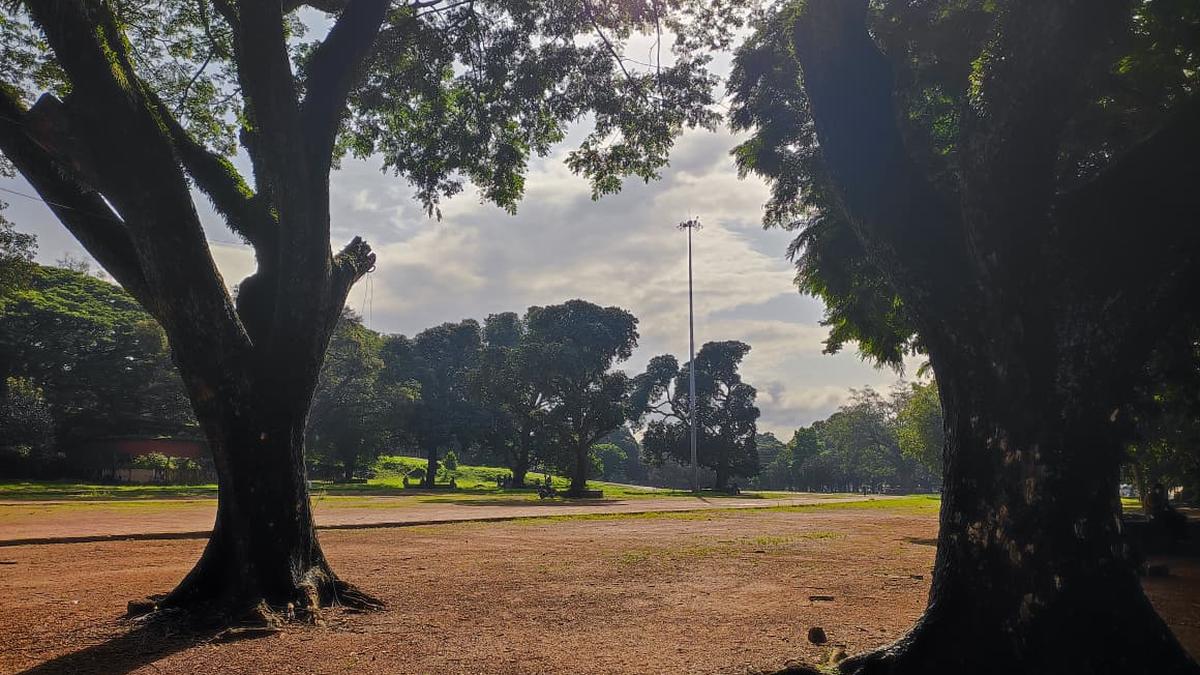
The Kerala High Court's ban on political meetings at Thrissur's Thekkinkadu Maidan has sparked a rare cross-party movement to challenge the ruling. Stakeholders argue the decision threatens the historical role of the space as a hub for democratic discourse and secular assembly.
The Battle for Thekkinkadu Maidan: A Democratic Crossroads
The recent Kerala High Court order prohibiting political gatherings at Thekkinkadu Maidan in Thrissur has ignited a fierce debate regarding the intersection of religious sanctity and the fundamental right to public assembly. Known as the heart of Thrissur, the Maidan is not merely an open field; it is a historic venue that has served as the epicenter for Kerala’s political, social, and cultural discourse for generations. The court’s mandate, while aiming to respect the sanctity of the surrounding temple, has inadvertently triggered a widespread pushback from diverse sectors of society who view this as a potential erosion of democratic public spaces.
A Rare Convergence of Ideologies
In an extraordinary display of political unity, leaders from both the Left and the Congress parties, alongside prominent writers and civil society members, have joined forces to contest the ruling. This rare alignment underscores the gravity of the situation, as these groups—often at odds on policy matters—recognize that the restriction on the Maidan threatens a shared democratic heritage. The consensus among these stakeholders is that the venue serves as a vital platform for the exercise of freedom of speech and assembly, which are foundational to the state's vibrant political culture.
Historical Significance and Secular Fabric
Historically, Thekkinkadu Maidan has transcended its geographical boundaries to become a symbol of secularism and inclusive participation. By hosting political rallies, cultural festivals, and social gatherings, it has facilitated the democratic process by allowing citizens to engage directly with political movements and each other. Critics of the High Court order argue that the ruling does not adequately account for this long-standing tradition, fearing that the precedent could lead to the gradual exclusion of non-religious activities from historically public, yet temple-proximate, lands across the state.
The Path Forward: Legal and Political Recourse
As the Cochin Devaswom Board (CDB) prepares to host an all-party meeting on July 25, 2026, the focus has shifted toward a coordinated legal challenge. The prevailing demand is for the State government to approach the Supreme Court, seeking a reconsideration of the High Court's verdict. This strategy reflects a broader desire to find a legal equilibrium that respects religious sentiments while ensuring that the public's right to assemble in traditional spaces remains protected under the Constitution.
Implications for Democratic Assembly
The outcome of this legal and political standoff will have lasting implications for how public spaces are managed in India. If the ban is upheld, it may set a restrictive precedent for other iconic urban spaces that exist in close proximity to religious institutions. Conversely, a successful appeal could reinforce the necessity of maintaining 'neutral' public grounds where democracy can flourish. The ongoing dialogue in Thrissur is, ultimately, a test of how a modern, pluralistic society navigates the delicate balance between tradition and the evolving requirements of a democratic public square.
Verification Required?