Tim Cook’s Apple: his 10 biggest wins and misses
Source Entity
Emma Roth
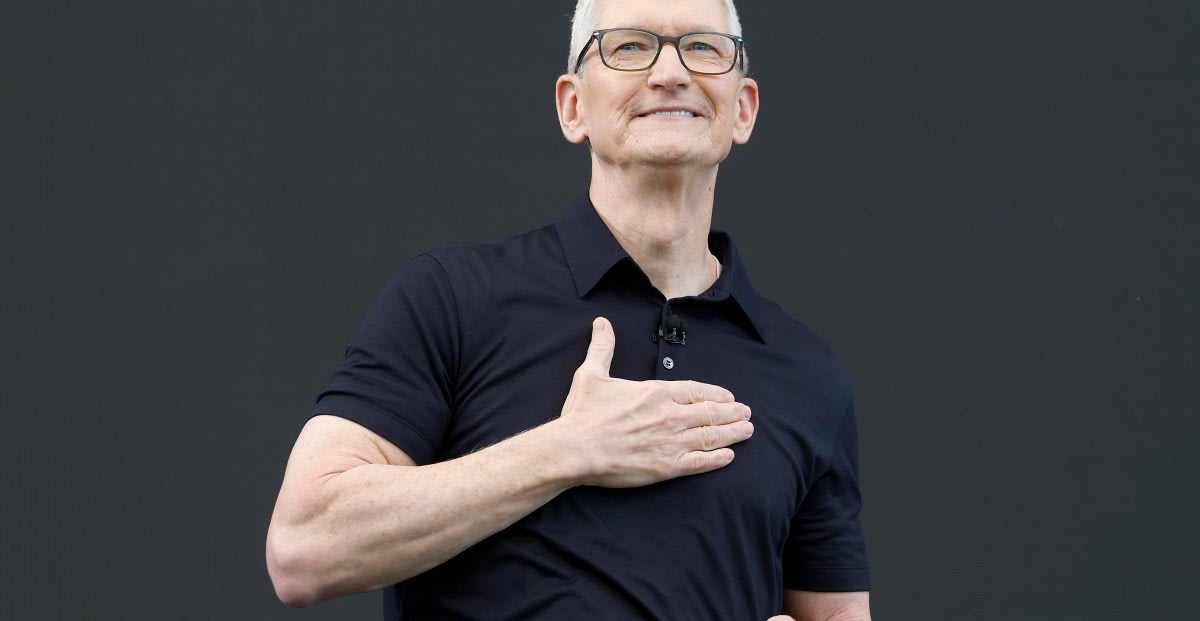
After 15 years as CEO, Tim Cook has stepped down from his role at Apple to transition into a position as executive chairman. He is succeeded by John Ternus, who faces the challenges of navigating AI integration and complex global market dynamics.
The End of an Era: Tim Cook Steps Down as Apple CEO
After 15 years at the helm of one of the world's most valuable companies, Tim Cook has officially stepped down as the CEO of Apple. Cook, who assumed the role in 2011 shortly before the passing of co-founder Steve Jobs, has overseen a transformative period in the company's history. In a final memo to employees, Cook expressed deep gratitude for the "extraordinary team" he led, emphasizing that Apple’s core strength lies in its unique corporate culture and the shared belief that their work carries a profound responsibility to improve the world.
A Legacy of Growth and Continuity
When Cook took over in 2011, the tech world was skeptical, as the shadow of Steve Jobs loomed large over the company's future. However, Cook’s tenure proved to be a period of unprecedented financial and operational success. Inheriting a company riding the wave of the iPhone, iPod, and Mac, Cook successfully expanded Apple's ecosystem, introducing new services and product lines that defined the modern era of consumer electronics. His leadership was characterized by a focus on operational excellence and a steady, disciplined approach to market expansion.
The Transition to John Ternus
As Cook departs the CEO office, he is not severing ties with the company entirely. He is transitioning into a new role as the executive chairman of Apple’s board. His successor, John Ternus, who previously led Apple’s hardware division, officially took the reins today. This leadership change marks the first time since 2011 that Apple has undergone such a significant transition at the top, signaling a shift in operational focus as the company moves into its next chapter.
Navigating the AI Frontier
John Ternus steps into the role during a period of immense technological volatility. The industry is currently defined by the rapid rise of artificial intelligence, which has created new pressures on the supply chain, specifically regarding the availability of RAM and other critical components. Ternus must navigate these material shortages while simultaneously attempting to implement Cook’s final public directive: to "use AI for humanity." Balancing innovation with ethical responsibility will be a cornerstone of his early tenure.
Challenges in a Complex Global Landscape
Beyond the technical hurdles of AI, Ternus inherits a company operating in a significantly more complicated political and economic environment than the one Cook faced in 2011. Apple is currently dealing with shifting global trade policies and increased scrutiny over its market influence. Furthermore, Ternus faces the challenge of maintaining Apple's cultural identity while leading without many of the legacy executives who worked alongside both Steve Jobs and Tim Cook, necessitating a new generation of leadership to define the company's path forward.
Conclusion
Tim Cook’s departure marks the close of a fifteen-year chapter that solidified Apple as a global titan. While the transition to John Ternus represents a change in executive leadership, the company remains anchored in the culture that Cook championed. As Ternus addresses the dual pressures of AI integration and global economic shifts, the industry will be watching closely to see how the next era of Apple leadership adapts to an increasingly demanding technological landscape.
Multiple Citing Sources