Ritabrata faction welcomes Trinamool name and symbol freeze; Mamata faction calls move contrary to law
Source Entity
India Latest News: Top National Headlines Today & Breaking News | The Hindu
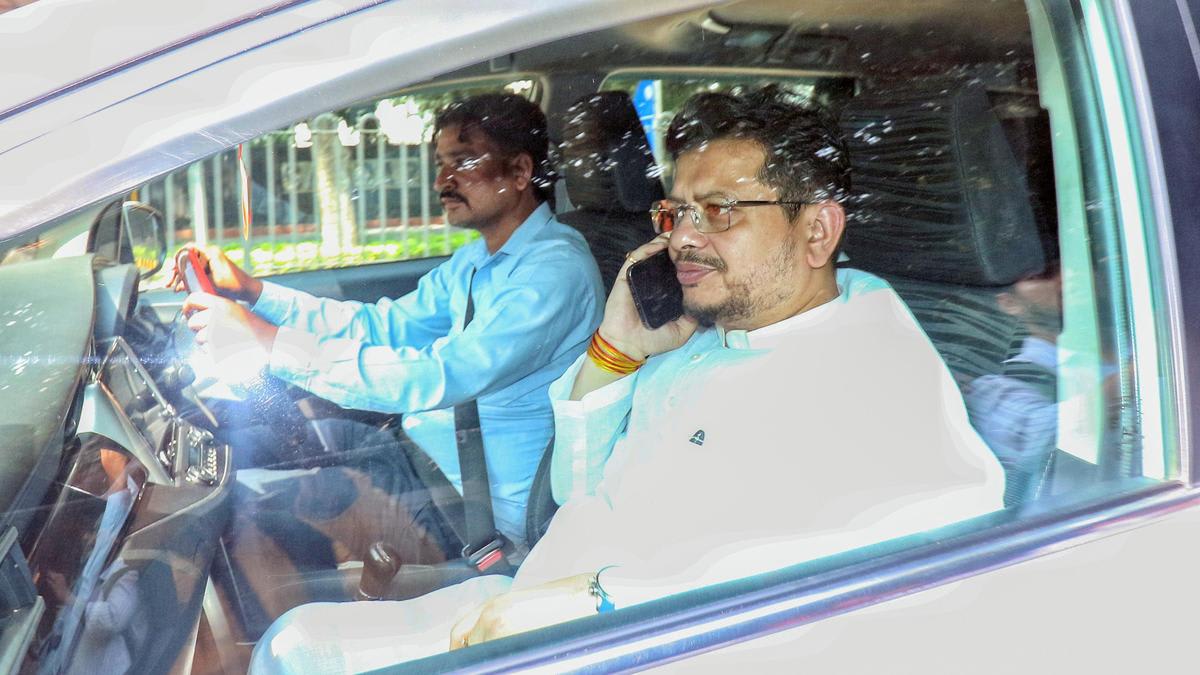
The Trinamool Congress (TMC) faced a major crisis after the Election Commission barred both rival factions from using the party's name and symbol during West Bengal bypolls. Opposition parties, including the Congress, have criticized the EC's intervention, labeling the timing as politically motivated.
The Trinamool Congress Crisis: A 72-Hour Political Turmoil
The political landscape in West Bengal has been thrown into a state of flux following a tumultuous 72-hour period for the All India Trinamool Congress (TMC). The party, led by Mamata Banerjee, faced a series of rapid-fire setbacks that challenged its organizational stability and electoral readiness. The crisis culminated when the Election Commission (EC) intervened, effectively stripping both competing factions of the party’s official identity during the critical lead-up to the state assembly bypolls.
The Election Commission’s Intervention
At the heart of the controversy is the Election Commission’s decision to freeze the use of the TMC party name and its iconic symbol for the duration of the bypolls. This administrative measure was a direct response to the internal fragmentation within the party, where rival factions laid conflicting claims to the organizational mantle. By barring both sides from utilizing the established party branding, the EC has forced a logistical and messaging crisis upon the TMC, compelling them to navigate an election without the primary visual identifiers that typically anchor voter recognition.
Political Backlash and Allegations of Bias
The timing of the EC’s announcement has drawn sharp criticism from opposition ranks, most notably from the Congress party. General Secretary KC Venugopal publicly condemned the move, framing the intervention as a 'late-night birthday gift' to Prime Minister Narendra Modi. This rhetoric highlights a growing narrative among opposition parties that constitutional bodies are being leveraged to disadvantage political rivals during sensitive electoral windows, thereby escalating the conflict from a local organizational dispute to a broader national debate on institutional neutrality.
Implications for Bengal’s Electoral Landscape
For the TMC, the loss of the name and symbol is more than a mere bureaucratic hurdle; it is a profound threat to the party’s grassroots mobilization strategy. In West Bengal, where party symbols serve as essential cognitive shortcuts for a diverse electorate, the sudden inability to campaign under the 'TMC' banner creates a vacuum that could potentially confuse voters and dilute the party's traditional vote share. The 'breather' mentioned on the third day suggests a temporary stabilization, but the underlying structural issues remain unresolved.
Future Trends and Institutional Challenges
This episode serves as a cautionary tale regarding the fragility of political entities when faced with internal schisms. As the TMC seeks to reclaim its identity, the precedent set by the EC’s decision will likely influence how future inter-party disputes are adjudicated. Moving forward, the party must focus on legal and administrative remediation to regain its status, while simultaneously battling the perception of weakness created by this high-profile public struggle. The bypolls will ultimately serve as a litmus test for whether the party’s organizational resilience can withstand the loss of its most potent political assets.
Multiple Citing Sources
Verification Required?