Trump's attorney general nominee Todd Blanche faces Senate Judiciary questions
Source Entity
US Top News and Analysis
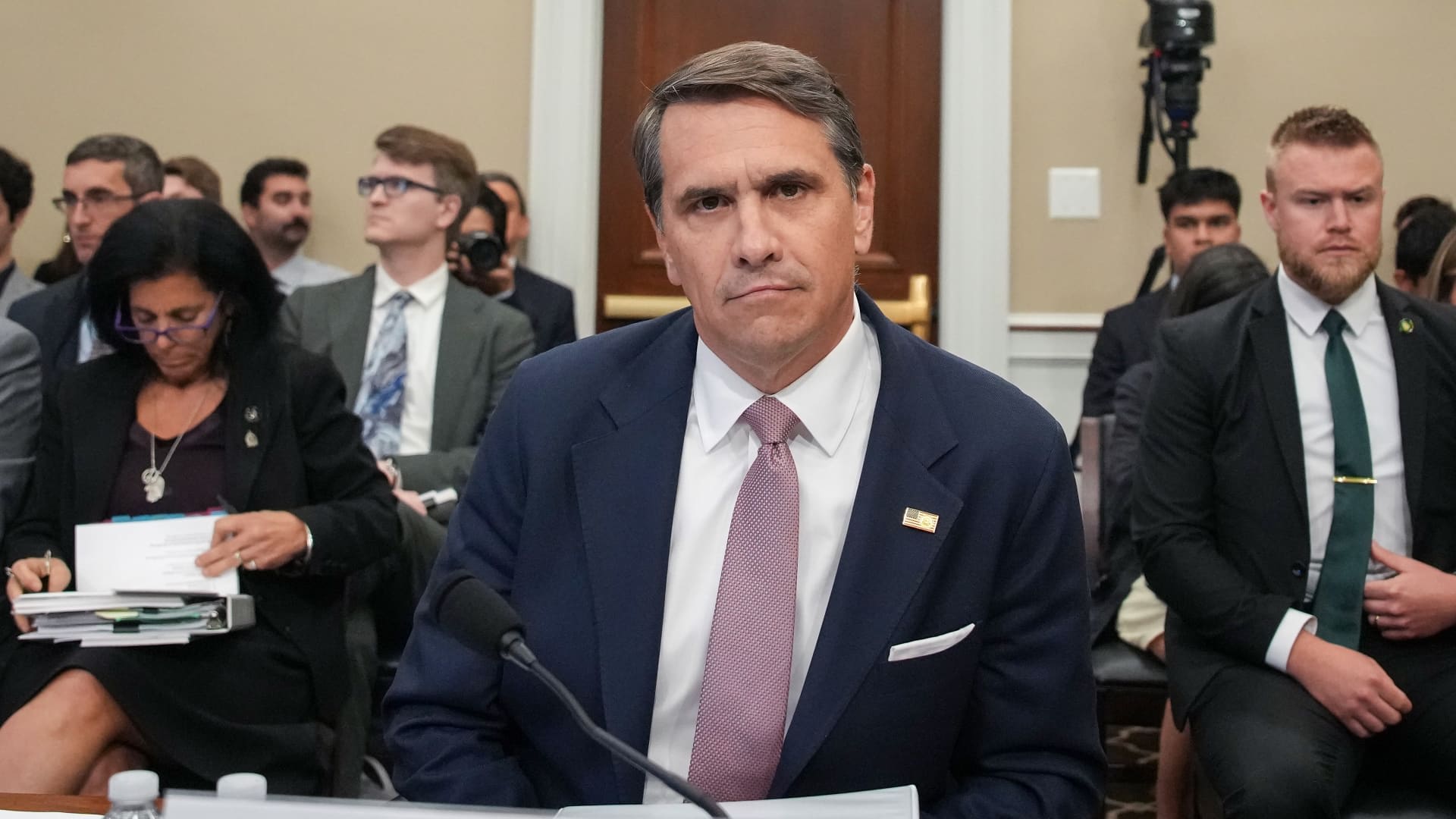
Todd Blanche, a former criminal defense attorney for Donald Trump, is appearing before the Senate Judiciary Committee as part of the confirmation process for his nomination as U.S. Attorney General.
The Nomination of Todd Blanche: A Pivotal Moment for the Department of Justice
The nomination of Todd Blanche to serve as the United States Attorney General marks a significant and potentially controversial transition in the leadership of the nation's highest law enforcement agency. The central tension of this appointment lies in Blanche's professional history; having served as a primary criminal defense lawyer for President Donald Trump, his move from a private defense role to the head of the Department of Justice (DOJ) raises critical questions regarding the separation of legal defense and federal prosecution.
The Conflict of Interest Dilemma
One of the primary focal points of the Senate Judiciary Committee's questioning will likely be the perceived conflict of interest. The role of the Attorney General requires an uncompromising commitment to the impartial administration of justice. Because Blanche was deeply embedded in the legal strategies used to defend President Trump against various federal and state charges, critics argue that his appointment could compromise the DOJ's independence. The committee will likely probe whether Blanche can objectively oversee cases that may overlap with the very legal battles he previously managed, or if his tenure will be characterized by a desire to dismantle the investigations that targeted his former client.
The Senate Judiciary Committee's Role
As the gatekeeper for judicial and legal appointments, the Senate Judiciary Committee serves as the primary forum for vetting the nominee's temperament, legal philosophy, and ethical standing. The questioning process is designed to expose any potential vulnerabilities in the nominee's record. In Blanche's case, the committee will likely examine his views on the "rule of law" and the extent to which he believes the Attorney General should be responsive to the President's personal legal interests versus the broader interests of the United States government. This hearing is not merely a formality but a critical check on executive power.
Historical Context of DOJ Independence
Historically, the Department of Justice has operated under a norm of independence from the White House to prevent the weaponization of federal law enforcement for political gain. While the Attorney General is a political appointee, the tradition of the "wall" between the President and the DOJ is intended to ensure that prosecutions are based on evidence rather than political loyalty. Blanche's nomination represents a potential shift toward a more "loyalist" model of leadership, mirroring a broader trend in recent political cycles where professional intimacy with the executive is prioritized over traditional institutional distance.
Broader Implications for Federal Law Enforcement
If confirmed, Todd Blanche's leadership could signal a sweeping change in how the DOJ approaches federal prosecutions and civil rights enforcement. His background as a defense attorney suggests a sophisticated understanding of the legal system's loopholes and pressures, which could be used to either streamline DOJ operations or aggressively challenge existing legal precedents. The broader implication is a potential realignment of the federal government's legal priorities, potentially shifting focus away from certain regulatory enforcements and toward a more combative stance against political adversaries.
Conclusion: A Test of Institutional Resilience
The confirmation process for Todd Blanche will ultimately serve as a litmus test for the resilience of U.S. institutional norms. The outcome of the Senate Judiciary Committee's questioning and the subsequent vote will determine whether the legal community and the public view the next Attorney General as a legitimate steward of justice or a political instrument. As the hearing unfolds, the balance between professional competence and political loyalty will remain the central theme of the debate.