ECI revises Telangana SIR schedule; extends BLO’s house-to-house visit from July 24 to August 3
Source Entity
India Latest News: Top National Headlines Today & Breaking News | The Hindu
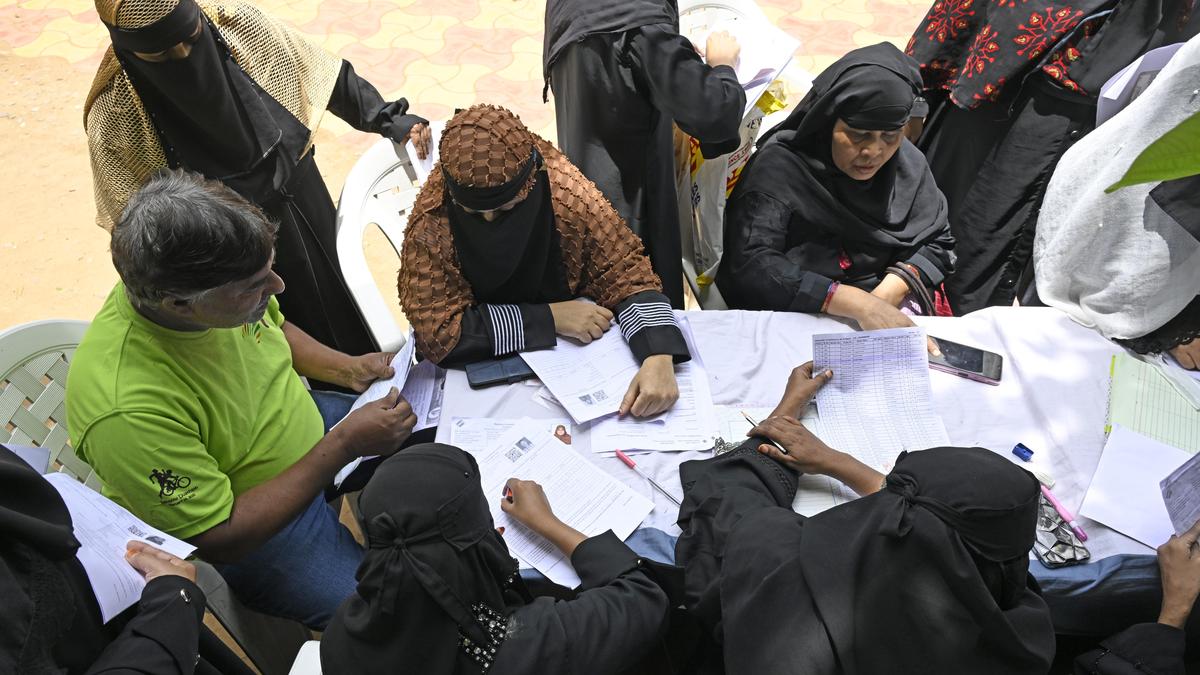
The Election Commission of India (ECI) has extended the deadline for Booth Level Officer (BLO) house-to-house visits in Telangana as part of the Special Intensive Revision (SIR) process, moving the end date from July 24 to August 3, 2026.
ECI Extends Voter Roll Revision in Telangana: Ensuring Electoral Integrity
The Election Commission of India (ECI) has announced a strategic adjustment to the Special Intensive Revision (SIR) schedule for the state of Telangana. On July 15, 2026, the commission officially extended the window for Booth Level Officers (BLO) to conduct their mandatory house-to-house visits, shifting the completion deadline from July 24 to August 3. This administrative move underscores the ECI's commitment to maintaining an accurate, inclusive, and transparent electoral roll, which serves as the foundational bedrock of any democratic election.
The Critical Role of Booth Level Officers (BLOs)
To understand the significance of this extension, one must first understand the role of the BLO. Booth Level Officers are the primary grassroots agents of the ECI, acting as the direct link between the electoral machinery and the citizenry. During a Special Intensive Revision, BLOs are tasked with physically visiting every household within their assigned jurisdiction. Their objective is multifaceted: they identify new eligible voters who have reached the age of 18, remove the names of deceased individuals, and correct clerical errors regarding addresses or names. By extending the deadline to August 3, the ECI is providing these officers with additional time to ensure that no eligible voter is left behind due to scheduling conflicts or the complexities of urban density in Telangana's growing hubs.
Analyzing the Necessity of the Extension
Administrative extensions of this nature typically occur when the ECI determines that the initial timeframe was insufficient to achieve a high standard of data accuracy. In a state like Telangana, where rapid urbanization and internal migration are prevalent, the task of verifying residences is often arduous. The extension suggests a prioritisation of 'quality over speed.' By allowing an extra ten days, the commission mitigates the risk of 'ghost voters'—entries for people who no longer reside in the area—and ensures that the electoral roll is a true reflection of the current population. This prevents potential disputes during the actual polling process and reduces the likelihood of electoral fraud.
Broader Implications for Democratic Participation
From a systemic perspective, the SIR process is vital for enhancing voter turnout and legitimacy. When voters find their names missing from the rolls on election day, it leads to disenfranchisement and public distrust in the electoral process. By meticulously conducting house-to-house visits, the ECI proactively resolves these issues before the polls open. This specific extension in Telangana demonstrates a cautious approach to governance, ensuring that the administrative burden on BLOs does not lead to haphazard data collection, which would ultimately undermine the democratic right to vote.
Historical Context and the Evolution of Voter Registration
Historically, voter registration in India was a cumbersome manual process prone to significant errors. While the ECI has introduced various digital initiatives, such as the National Voters' Service Portal (NVSP) and mobile applications for registration, the 'intensive' part of the SIR remains physical. The reliance on BLOs for house-to-house visits persists because digital tools cannot fully replace the physical verification required to eliminate duplicate entries or verify the existence of a resident. The Telangana extension highlights the continued necessity of this hybrid approach—combining digital records with physical verification—to maintain the highest levels of accuracy in a diverse and populous region.
Future Trends in Electoral Roll Management
Looking forward, this event points toward a trend where the ECI may further integrate geospatial mapping and AI-driven data validation to assist BLOs. While the current process relies on manual visits, the challenges that led to this extension—such as the need for more time to cover all households—could eventually be solved by better resource allocation tools. However, until such technology is fully deployed and trusted across all demographics, the human-centric approach of the BLO visit will remain the gold standard for electoral purity in India.
Conclusion
In summary, the ECI's decision to extend the BLO visit window in Telangana from July 24 to August 3 is a pragmatic step toward ensuring a flawless electoral roll. By providing more time for ground-level verification, the commission is safeguarding the integrity of the upcoming electoral cycles. This move reinforces the principle that a fair election begins not at the polling booth, but months earlier during the meticulous process of voter registration and revision.
Verification Required?