Bidadi is not my dream project, says Chief Minister D.K. Shivakumar
Source Entity
India Latest News: Top National Headlines Today & Breaking News | The Hindu
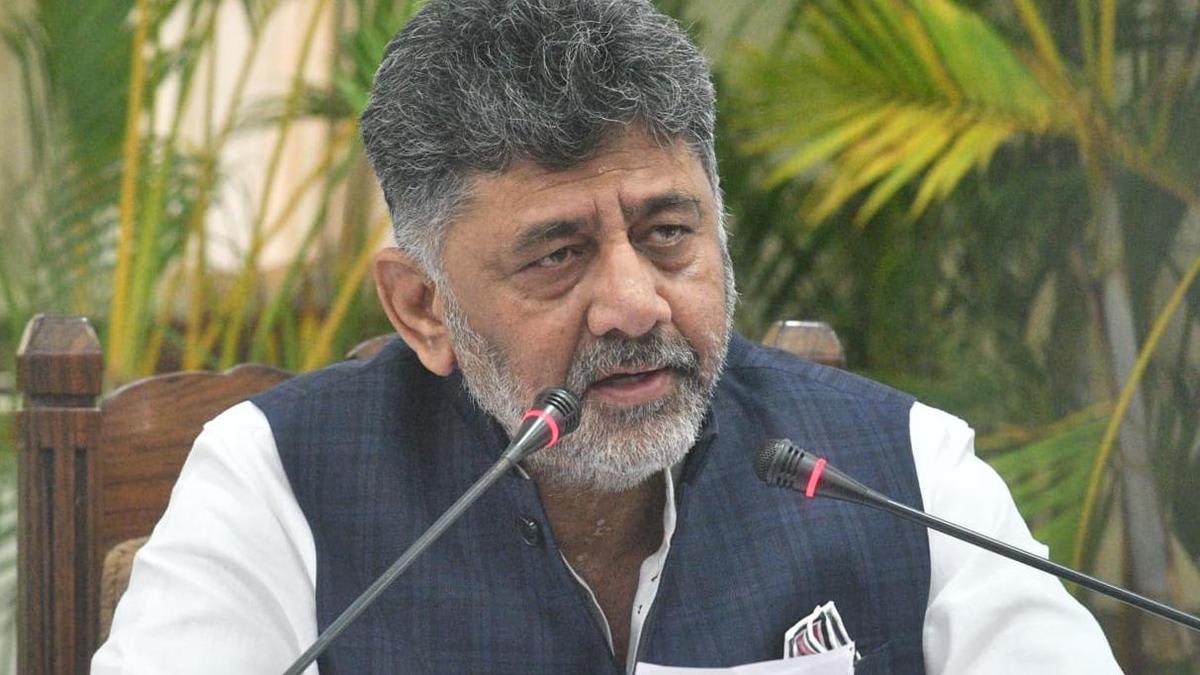
Chief Minister D.K. Shivakumar has clarified that the Bidadi integrated township project was not his personal 'dream project,' noting that it was officially approved by the government in 2006 under the leadership of then-Chief Minister H.D. Kumaraswamy as part of a broader plan for five townships around Bengaluru.
Analysis of CM D.K. Shivakumar's Statement on the Bidadi Project
The Core Clarification
Chief Minister D.K. Shivakumar has recently moved to clarify the origins of the Bidadi integrated township project, explicitly stating that the initiative was not his personal "dream project." This statement serves as a critical political distinction, shifting the narrative from one of individual ambition to one of institutional and historical government policy. By distancing himself from the conceptual ownership of the project, the Chief Minister is emphasizing that the development was a result of collective administrative decision-making rather than a unilateral vision.
Historical Context and Administrative Roots
To provide necessary context, the Chief Minister referenced a specific government meeting held on September 23, 2006. This meeting, chaired by the then-Chief Minister H.D. Kumaraswamy, was the catalyst for the approval of five integrated townships designed to surround Bengaluru. This detail is pivotal as it anchors the Bidadi project within a broader strategic framework of urban planning that predates the current administration's tenure. It suggests that the project was part of a long-term state strategy to manage the rapid growth of the capital city.
Strategic Implications of Decentralization
The approval of five integrated townships around Bengaluru, as mentioned in the 2006 records, highlights a historical attempt at decentralizing the city's population and industrial load. By creating satellite townships like Bidadi, the government aimed to reduce the pressure on Bengaluru's core infrastructure. Analyzing this through a modern lens, the Bidadi project represents an early effort to create balanced regional development, preventing the "primate city" syndrome where one city grows disproportionately compared to the rest of the state.
Political Nuance and Accountability
From a political standpoint, the Chief Minister's insistence on attributing the project to the 2006 administration is a tactical move in political communication. In the landscape of Karnataka politics, where legacy and credit for infrastructure projects are often contested, attributing the project to a previous government (specifically one led by a political rival like H.D. Kumaraswamy) serves to manage expectations and accountability. It ensures that the current administration is viewed as the executor of a pre-existing state mandate rather than the sole architect of a project that may face scrutiny or delays.
Summary and Outlook
In summary, CM D.K. Shivakumar's statement is less about the technicalities of the Bidadi project and more about the political history of Bengaluru's urban expansion. By linking the project back to the September 2006 approvals, he frames the development as a consistent state objective across different administrations. Moving forward, the focus will likely shift from who "dreamed" of the project to how effectively these decades-old integrated township plans are being implemented to solve the current urban crises facing the Bengaluru metropolitan region.
Verification Required?