‘Fighting like a tiger’: Mamata rallies behind Abhishek Banerjee amid TMC rebellion, vows to rebuild party
Source Entity
India Latest News: Top National Headlines Today & Breaking News | The Hindu
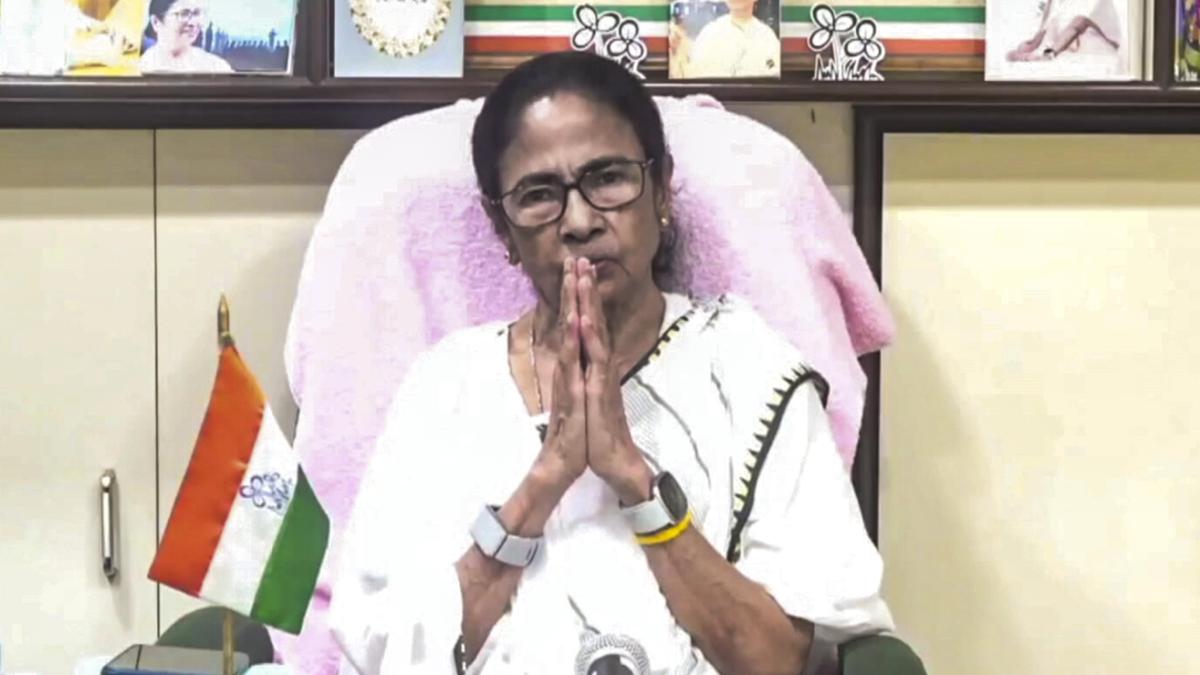
Mamata Banerjee has strongly defended Abhishek Banerjee amidst internal rebellion within the Trinamool Congress (TMC), vowing to rebuild the party while attributing Madan Mitra's exit to Enforcement Directorate (ED) pressure on his family.
Mamata Banerjee's Strategic Defiance: Navigating Rebellion and Agency Pressure
In a high-stakes display of political resilience, West Bengal Chief Minister Mamata Banerjee has stepped forward to solidify her support for Abhishek Banerjee, signaling a clear directive within the Trinamool Congress (TMC). The current atmosphere within the party is one of significant turbulence, characterized by an internal rebellion that threatens to destabilize the leadership hierarchy. By utilizing the metaphor of "fighting like a tiger," Banerjee is not merely offering emotional support to her nephew but is asserting a consolidated power structure, making it evident that any challenge to Abhishek Banerjee's ascending role is viewed as a challenge to her own authority.
The Friction Between Old Guard and New Leadership
The internal strife within the TMC often mirrors a classic political struggle between the "old guard"—veteran leaders who helped build the party's grassroots foundation—and the newer, more strategic leadership embodied by Abhishek Banerjee. The mention of a "rebellion" suggests a growing discontent among certain factions who may feel sidelined by the rapid centralization of power. By vowing to "rebuild the party," Mamata Banerjee acknowledges that the current internal cohesion has frayed. This rebuilding process is likely to involve a rigorous purging of dissidents and a restructuring of party loyalty, ensuring that the machinery is streamlined for upcoming electoral battles.
The Shadow of Central Agencies and Political Attrition
A critical dimension of this crisis is the role of central investigative agencies, specifically the Enforcement Directorate (ED). The exit of Madan Mitra, a prominent figure in the party, is explicitly linked by Banerjee to the ED summons issued to his wife and two sons. This narrative serves a dual purpose: it frames the departure of party members not as a result of internal ideological failure, but as a consequence of "political vendetta" and state-sponsored pressure. By highlighting the targeting of family members, Banerjee is attempting to galvanize the party's rank and file, painting the TMC as a victim of systemic harassment, thereby transforming a potential liability (party defections) into a rallying cry for loyalty.
Analyzing the Rhetoric of Survival
Banerjee's statement, "They wanted me to suffer a heart attack. But I will live till I see your end," reflects a combative and highly personalized style of leadership. This rhetoric is designed to project strength and invincibility in the face of perceived existential threats. In the context of West Bengal politics, where the Chief Minister is often viewed as the singular pillar of the party, her health and resolve are inextricably linked to the party's survival. This aggressive stance is intended to demoralize opponents and signal to internal rebels that the leadership remains unyielding and vigilant.
Future Implications for the TMC
Looking forward, the TMC's path involves a delicate balancing act. While Mamata Banerjee's strong backing of Abhishek Banerjee clears the path for his eventual leadership transition, the process of "rebuilding" must be handled carefully to avoid further alienating key regional power brokers. The party will likely double down on its narrative of resisting central agency "overreach" to maintain its populist appeal. If the rebellion is successfully quelled, the TMC will emerge as a more disciplined, albeit more centralized, entity. However, if the friction persists, the party may face fragmented support in key districts where veteran leaders hold significant sway.
Summary of Analysis
Ultimately, this event is more than a simple internal dispute; it is a calculated maneuver to synchronize the party's internal leadership with its external defense strategy. By linking internal rebellion to external agency pressure and reaffirming her support for Abhishek Banerjee, Mamata Banerjee is attempting to close the ranks and ensure that the TMC remains a monolithic force in West Bengal politics.
Verification Required?