Tokyo urges men to wear shorts to work, but women say it's 'leg hair harassment'
Source Entity
BBC News
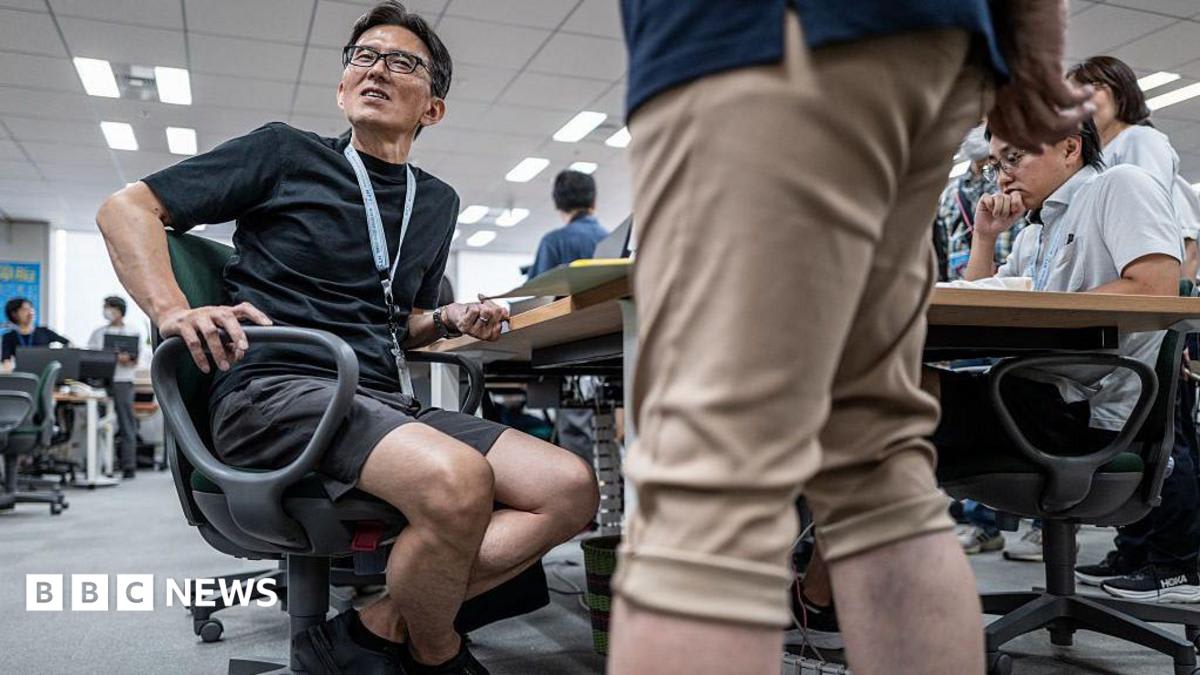
Tokyo's 'Cool Biz' initiative now encourages men to wear shorts to combat summer heat. However, the policy faces criticism for gender inequality, as women report feeling pressured to hide leg hair or wear tights.
The Evolution of Tokyo’s Workplace Culture
The Tokyo Metropolitan Government has taken a significant step toward modernizing traditional Japanese corporate culture by updating its 'Cool Biz' initiative. Launched by Governor Yuriko Koike, this program now explicitly encourages male employees to shed their formal suits and ties in favor of t-shirts, trainers, and shorts. This move is designed to mitigate the extreme summer heat common in the capital, aiming to reduce energy consumption by limiting the reliance on air conditioning.
The 'Cool Biz' Legacy
Since its inception, the 'Cool Biz' campaign has become a staple of Japanese summer life. By shifting the standard of professional attire, the government seeks to normalize a more relaxed workplace environment. However, the introduction of shorts as an acceptable office garment has highlighted deep-seated tensions regarding gender norms in the Japanese workforce, as the policy shift has not been applied with equal social ease for all employees.
Gender Disparities in Professional Dress Codes
While men have been encouraged to embrace shorts, the reception has been polarized. Critics point out a glaring double standard: while men are increasingly free to bare their legs, women often face different, more rigid expectations. Many women report that they are still effectively required to wear tights or stockings even in sweltering heat, highlighting an imbalance in how 'professionalism' is defined and enforced based on gender.
The Rise of 'Leg Hair Harassment'
Perhaps the most controversial aspect of this policy shift is the emergence of 'leg hair harassment.' This term reflects the social pressure women feel regarding their own body hair if they were to adopt similar casual attire. The disparity in social expectations creates a scenario where men are granted comfort under the banner of a government initiative, while women remain bound by traditional aesthetic standards that are often uncomfortable and exclusionary.
Broader Implications for Workplace Equality
This situation serves as a microcosm for the broader challenges facing Japan's corporate sector. While initiatives like 'Cool Biz' are successful at driving policy change, they often fail to account for the implicit biases that dictate workplace etiquette. The backlash suggests that for future initiatives to be successful, they must address the underlying gendered expectations that prevent a truly equitable shift toward casual office environments.
Future Trends and Outlook
Moving forward, the Tokyo Metropolitan Government will likely need to refine its communication to ensure that casual dress policies are inclusive. If the goal is to create a more comfortable and energy-efficient workplace, the standard must be applied uniformly. The ongoing dialogue regarding 'leg hair harassment' and dress codes will likely continue to influence how Japanese companies draft their internal policies in the coming years, potentially leading to more gender-neutral professional attire standards.