Rs 12,000cr at stake: Traders now write to Sonia to defer Rahul's Nov 1 rally
Source Entity
ABHISHEK MISHRA
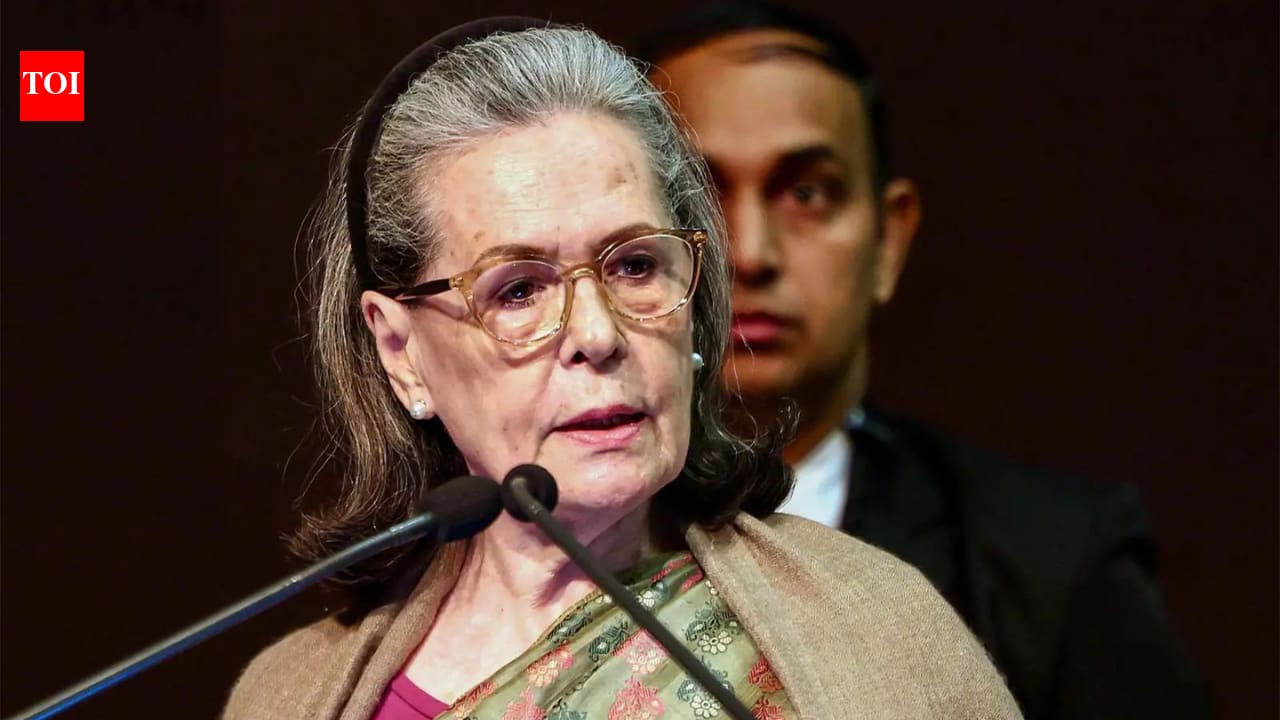
Traders are urging Sonia Gandhi to defer Rahul Gandhi's November 1 rally due to concerns over potential business losses. The economic stake involved in the disruption is estimated at Rs 12,000 crore.
Economic Stakes and Political Mobilization: The Conflict Over the November 1 Rally
The Economic Burden of Political Rallies
The recent request by the trading community to Congress leader Sonia Gandhi to defer Rahul Gandhi’s upcoming November 1 rally highlights a critical tension between political expression and commercial activity. With an estimated Rs 12,000 crore at stake, the business sector is signaling that the logistical disruptions associated with high-profile political events can have a profound impact on local economies. In major urban centers, such rallies often necessitate road closures, security cordons, and the suspension of public transport, which collectively stifle footfall and supply chain efficiency.
The Scale of Financial Impact
An economic valuation of Rs 12,000 crore underscores the scale of commercial activity that relies on uninterrupted market access. For small and medium-scale traders, even a single day of suppressed business can result in significant revenue losses, particularly during festive or peak trading seasons. By directly appealing to the Congress leadership, the traders are attempting to leverage the political sensitivity of the party to minimize the collateral damage that their campaign events might inflict on the local economy.
Political Accountability and Public Perception
The decision to petition Sonia Gandhi rather than local authorities suggests that the trading community views the rally as a top-down strategic decision. By framing their concerns in terms of fiscal impact, the traders are effectively challenging the political establishment to balance their campaign outreach with the economic realities of the common citizen. This move reflects a growing trend where organized trade bodies are increasingly vocal about the tangible costs of political mobilization.
Historical Context of Protest and Commerce
Throughout India's political history, the intersection of public rallies and commerce has often been a point of contention. While political gatherings are essential for democratic processes, the shift toward massive, high-security events has increasingly isolated commercial hubs. Historically, political parties have had to navigate the delicate balance of demonstrating strength while maintaining public support; ignoring the economic grievances of a major demographic like the trading community could potentially alienate a key voting bloc.
Future Trends in Political Engagement
Moving forward, it is likely that we will see more stringent regulations or voluntary codes of conduct regarding the location and timing of political rallies. As urban spaces become more densely populated and economically integrated, the traditional model of massive, city-wide disruptions for political events may become unsustainable. The success or failure of the traders’ request to defer the rally will serve as a bellwether for how future political campaigns manage their public footprint in commercial heartlands.
Conclusion: A Call for Compromise
Ultimately, the situation surrounding the November 1 rally represents a classic conflict between the right to political assembly and the right to conduct business. The Rs 12,000 crore figure serves as a potent reminder that every political choice carries a fiscal consequence. Whether the Congress party chooses to reschedule the event will indicate their responsiveness to local economic pressures versus their broader electoral strategy.