Who killed the tiger? The question isn’t enough to tackle modern trafficking
Source Entity
Rajesh Gopal
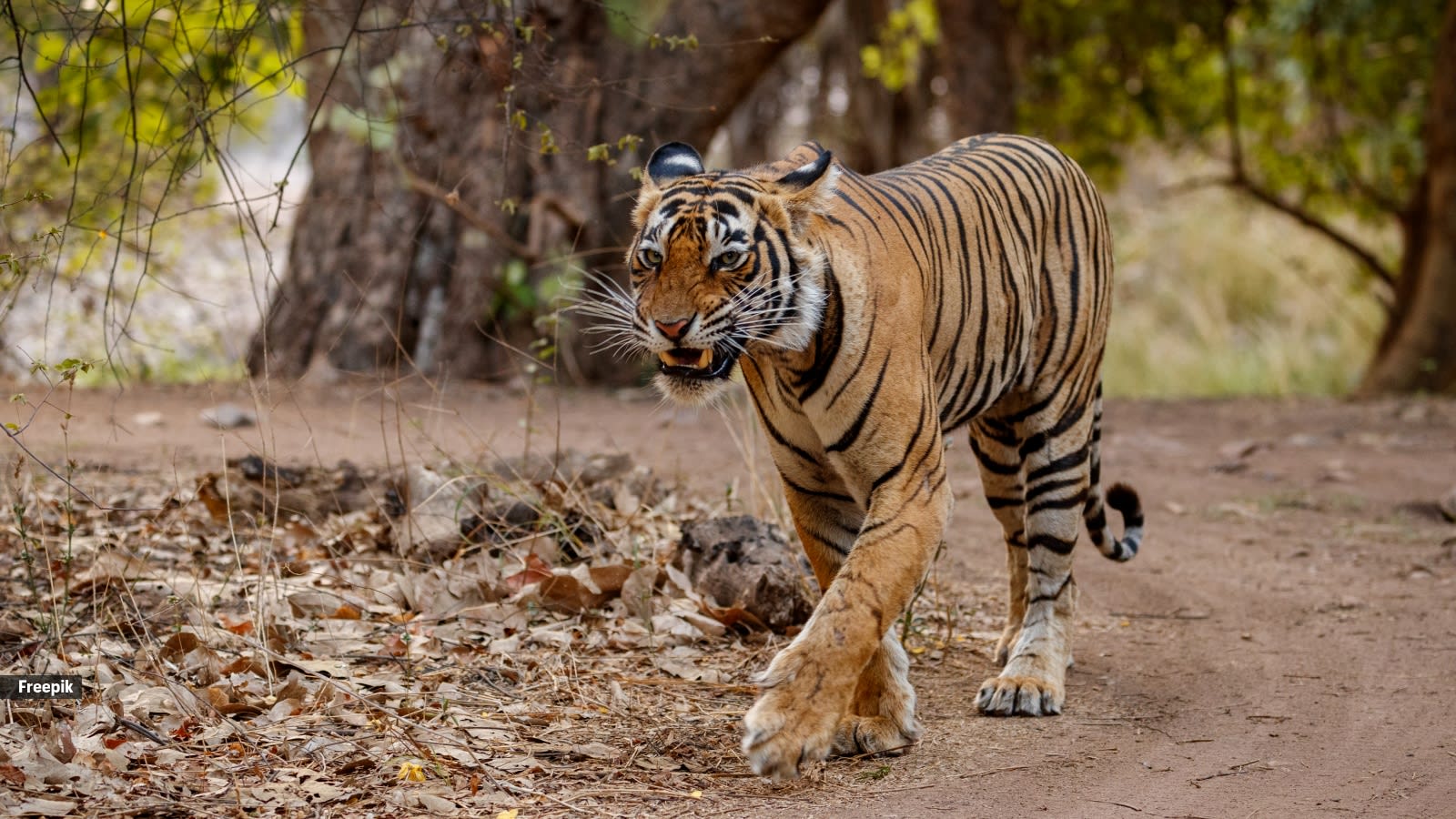
A 25-year study by TRAFFIC reveals over 3,800 tigers have been seized in wildlife trafficking incidents, highlighting persistent hotspots and evolving criminal networks. The data suggests that traditional boundary-focused conservation methods are no longer sufficient to combat the modern, complex nature of this illicit trade.
The Evolving Landscape of Tiger Trafficking
A recent comprehensive assessment by the global non-profit organization TRAFFIC has unveiled a sobering reality regarding the state of tiger conservation. By analyzing 25 years of data, researchers documented 2,551 distinct seizures involving at least 3,808 tigers through June 2025. This long-term longitudinal study provides an empirical foundation for understanding the persistence of wildlife crime, revealing that despite decades of international intervention, the illicit trade remains a formidable challenge.
Beyond the Traditional Geography of Crime
Historically, tiger conservation efforts were predicated on a localized model: protecting the specific boundaries of tiger reserves. This strategy focused on preventing poachers from breaching these physical borders through increased patrolling, the establishment of more camps, and the deployment of advanced communication and surveillance technology. While the report acknowledges these measures as indispensable, it argues that they are no longer sufficient to address the current, more complex reality of global wildlife trafficking.
The Shift Toward Systemic Trafficking
The data indicates a significant evolution in how these crimes are perpetrated. The identification of persistent hotspots and an increasing frequency of whole-animal seizures point to a more organized, systemic approach by criminal syndicates. This shift suggests that trafficking is no longer merely a localized poaching issue but a sophisticated supply chain operation that requires a more nuanced, intelligence-led response rather than a purely defensive, boundary-based strategy.
The Interconnectedness of Wildlife Crime
Perhaps most telling is the finding that nearly one-fifth of the documented incidents involved other trafficked species alongside tigers. This overlap highlights the multispecies nature of modern wildlife crime rings. When trafficking networks manage a diverse portfolio of illicit goods, they become more resilient and harder to dismantle. Future conservation efforts must therefore move toward integrated enforcement that addresses the broader illegal wildlife trade rather than focusing on a single species in isolation.
Implications for Future Policy
The findings from the TRAFFIC report serve as a call to action for policymakers and conservationists. If the tiger landscape has changed, the methodology of protection must undergo a similar transformation. This implies a need for enhanced international cooperation, better intelligence sharing to track the movement of illicit goods beyond national borders, and a deeper understanding of the market dynamics that drive the demand for tiger parts.
Conclusion: A New Era of Conservation
The question of "who killed the tiger" is a necessary starting point for investigation, but it is insufficient for systemic change. As the data shows, the modern threat is dynamic and interconnected. Moving forward, the global community must leverage this 25-year dataset to refine its strategies, shifting from a defensive, localized posture to a proactive, globally coordinated effort that disrupts the entire infrastructure of wildlife trafficking.