Key takeaways from BBC interview as Earl Spencer defends claims about King
Source Entity
BBC News
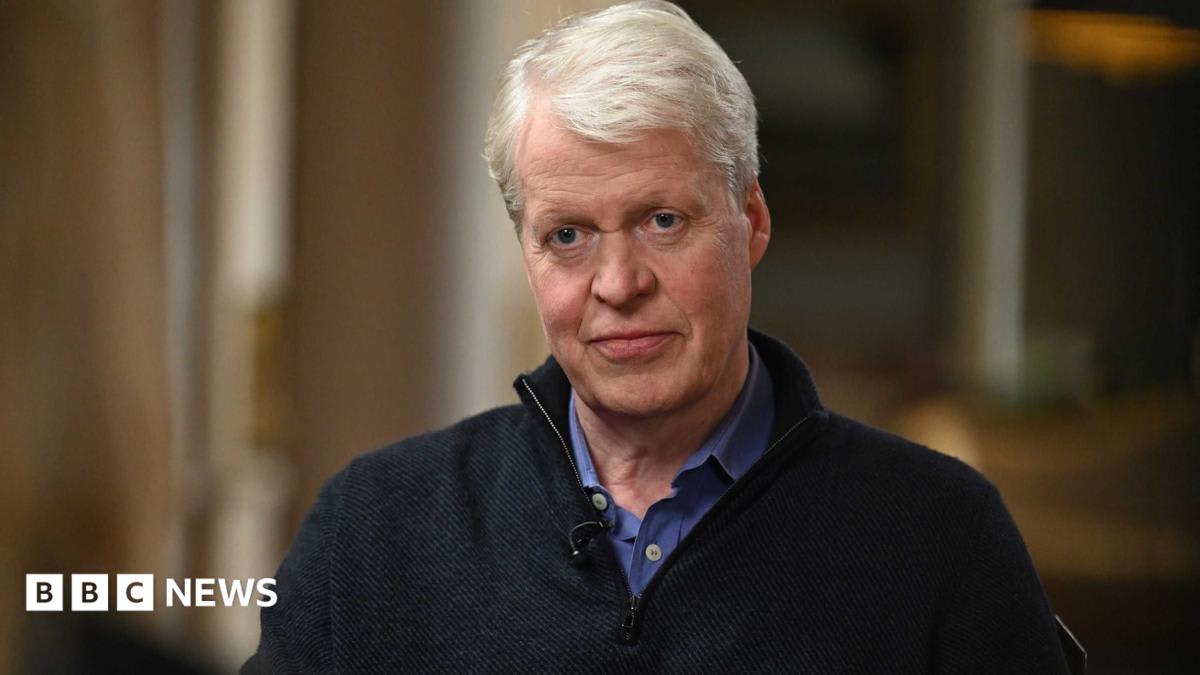
Earl Spencer has drawn parallels between the intense media scrutiny faced by his late sister, Princess Diana, and the current treatment of the Duke and Duchess of Sussex. He characterized the persistent tabloid criticism as a 'cancerous influence' and urged the public and press to learn from the historical tragedy of Diana's experience.
The Echoes of History: Earl Spencer on Media Scrutiny
In a recent interview with the BBC, Earl Spencer, the brother of the late Diana, Princess of Wales, has provided a sobering reflection on the parallels between the media treatment of his sister and that currently directed at Prince Harry and Meghan Markle. By characterizing the relentless tabloid coverage as a "cancerous influence," Spencer highlights a recurring pattern of institutional and public scrutiny that has long plagued high-profile members of the Royal Family.
The Human Cost of Constant Criticism
Earl Spencer’s testimony offers a rare, intimate look at the emotional toll of such coverage. He recalled seeing his sister in "tears of despair," noting that Diana was "very, very sensitive to criticism" and was "brought low" by the unrelenting nature of the press. By drawing these comparisons, Spencer is not merely commenting on modern celebrity culture; he is warning of the psychological damage that occurs when public figures are subjected to daily, dehumanizing narratives.
Lessons Unlearned from the Past
At the heart of Spencer's message is a plea for societal reflection. He explicitly stated that it is "beholden on people to learn from Diana's example," suggesting that the media landscape has failed to evolve since the 1990s. The "unpleasant" nature of tabloid articles, as described by Spencer, serves as a bridge between the historical struggles of the Princess of Wales and the contemporary experiences of the Duke and Duchess of Sussex, who stepped back from royal duties in 2020.
The Broader Implications of Media Hostility
When a public figure is "destroyed daily" by press outlets, the implications go beyond mere public relations. Spencer describes this as a "cancerous influence," a term that underscores the corrosive effect such scrutiny has on personal well-being and family stability. For Harry and Meghan, who moved to California to escape the intensity of the British press, these comments reinforce their stated reasons for departing from their formal royal roles.
Historical Context and Future Trends
Princess Diana was famously the most photographed woman in the world, and her life was defined by a volatile relationship with the paparazzi. By linking Diana’s experience to the current climate surrounding Harry and Meghan, Spencer suggests that the mechanisms of media scrutiny remain largely unchanged despite the rise of digital platforms. The future of royal and celebrity reporting remains at a crossroads, where the demand for sensationalism continues to clash with the fundamental human need for privacy and mental health.
Conclusion: A Call for Accountability
Ultimately, Earl Spencer’s interview serves as both a historical reminder and a contemporary warning. By amplifying the voices of those affected by extreme media pressure, he challenges the public to consider the human cost of tabloid culture. Whether the media will heed this call to "learn from Diana's example" remains to be seen, but the intervention of such a prominent family figure marks a significant moment in the ongoing discourse regarding press ethics and royal privacy.
Multiple Citing Sources