4 Weeks On, 6,000 People Remain Missing In Nepal. Death Count Crosses 1,450
Source Entity
NDTV News Search Records Found 1000
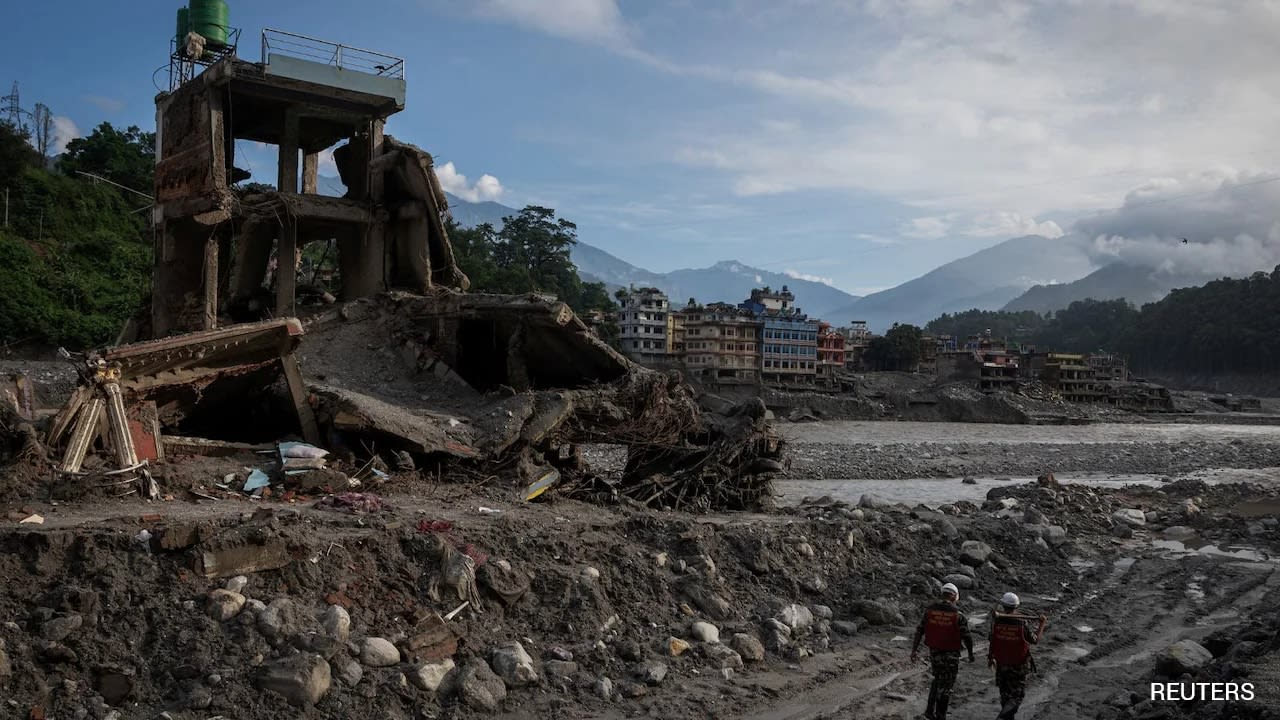
Four weeks after devastating natural disasters in Nepal, the death toll has surpassed 1,450. Authorities report that approximately 6,000 individuals remain missing as rescue efforts continue.
The Ongoing Humanitarian Crisis in Nepal
Four weeks after the catastrophic events that struck Nepal, the nation remains in a state of profound distress. Authorities have confirmed that the death toll has now climbed beyond 1,450, a figure that continues to rise as recovery teams navigate the difficult terrain. The scale of this tragedy is compounded by the staggering number of individuals still unaccounted for, with officials estimating that approximately 6,000 people remain missing.
The Magnitude of the Missing
The figure of 6,000 missing persons represents a significant challenge for emergency responders and government agencies. In mountainous regions like Nepal, search and rescue operations are inherently hindered by geographical obstacles, including rugged topography and the potential for secondary environmental hazards. The inability to locate such a large number of people four weeks post-event underscores the immense difficulty of conducting recovery operations in post-disaster environments.
Impact on Local Infrastructure
The devastation has left a lasting mark on Nepal's infrastructure, complicating the logistics of reaching isolated communities. When thousands are missing, the strain on local resources—including medical facilities, temporary housing, and communication networks—becomes critical. The government’s ability to coordinate large-scale search efforts is being tested against the reality of destroyed access routes and the exhaustion of local search teams.
Socio-Economic Implications
Beyond the immediate loss of life, the disappearance of 6,000 individuals creates long-term social and economic instability for families and the state. Many of those missing likely served as primary breadwinners, leaving thousands of households in a state of economic limbo. The psychological toll on the population, coupled with the slow process of identifying victims and reaching closure, will likely necessitate long-term mental health support and social welfare interventions by the government and international aid organizations.
Future Trends and Resilience
Looking ahead, Nepal faces the daunting task of reconstruction and the need to bolster its disaster preparedness. This event serves as a stark reminder of the vulnerability of the region to natural disasters. Future trends will likely focus on improving early warning systems, enhancing the resilience of rural infrastructure, and fostering international partnerships to ensure faster, more coordinated responses to future crises. The current focus remains firmly on the search for the missing and the stabilization of affected communities.
Verification Required?