How lighting, acoustics, circulation and seating can transform workplace design
Source Entity
Latest News: Todays Latest News Headlines from India & World | Hindustan Times
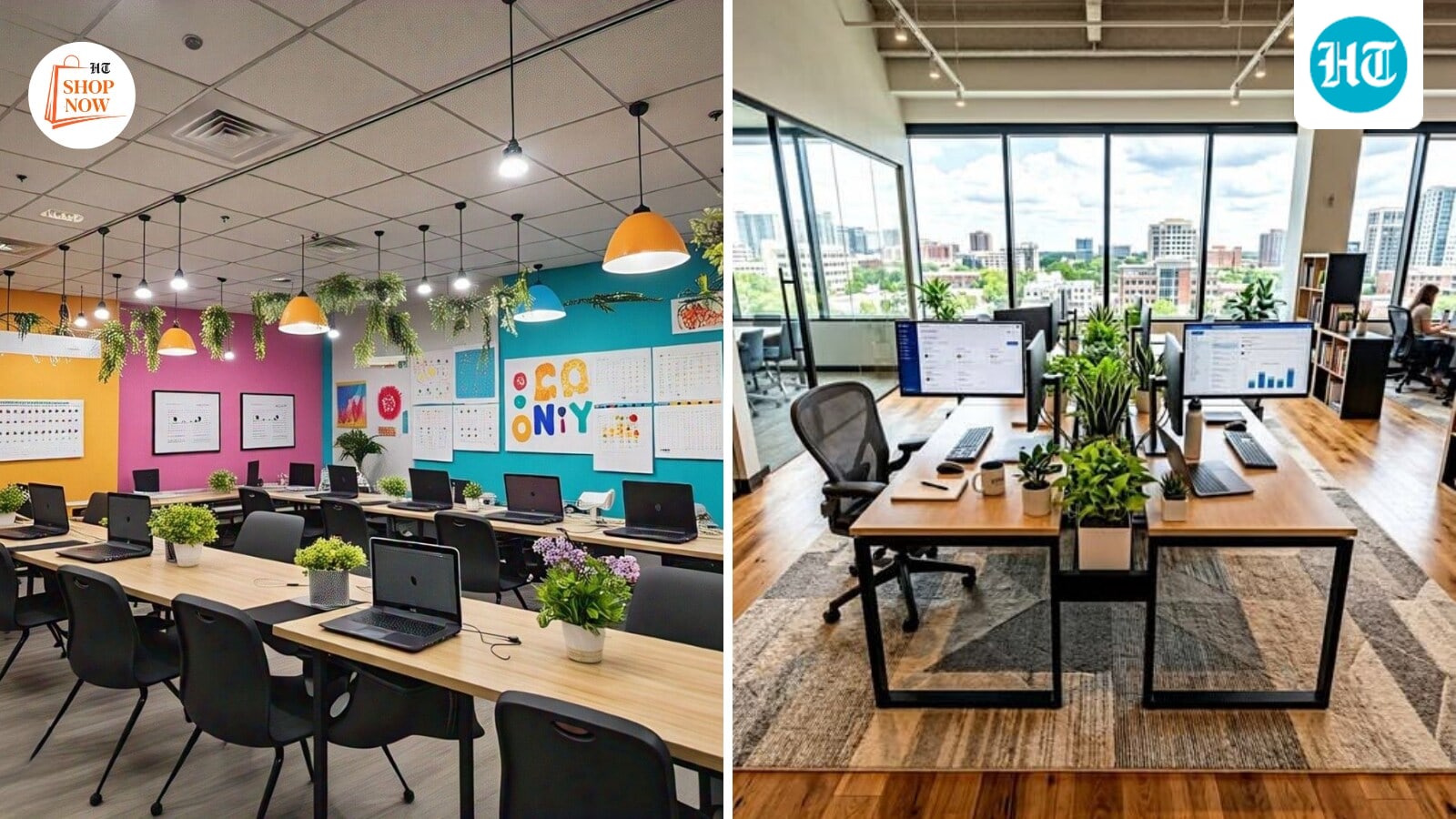
Modern office design is shifting from pure aesthetics to functional spaces that support hybrid work models. Experts emphasize that strategic lighting, acoustics, circulation, and seating are critical to enhancing employee productivity and well-being.
The Evolution of the Modern Workplace
As the global professional landscape undergoes a seismic shift toward hybrid working models, the traditional office is being redefined. No longer viewed merely as a static place of presence, the workplace is evolving into a dynamic tool for collaboration and employee retention. As noted by industry experts like Aditya Yamsanwar of Team One Architects, the current trend prioritizes functionality over superficial aesthetics, ensuring that every square foot of an office serves a specific purpose in supporting diverse work styles.
The Four Pillars of Functional Design
To bridge the gap between visual appeal and operational efficiency, architects are focusing on four core design elements: lighting, acoustics, circulation, and seating. Lighting is no longer just about visibility; it is about circadian alignment and reducing eye strain in a multi-generational workforce. Proper acoustic management is equally vital, as open-plan offices often struggle with noise pollution that can stifle deep work. By integrating sound-dampening materials and strategic zoning, companies can create environments that respect both the need for focus and the desire for social interaction.
Optimizing Flow and Comfort
Circulation and seating represent the backbone of spatial efficiency. Thoughtful circulation design prevents bottlenecks and encourages spontaneous collaboration, which is often lost in remote settings. Meanwhile, ergonomic seating is no longer a luxury but a fundamental requirement for long-term health. When these elements are meticulously planned, the physical office becomes a catalyst for productivity, effectively drawing employees back into the space by offering an environment that is distinctly superior to a home office setup.
Broader Implications for Corporate Culture
This shift in design philosophy reflects a deeper change in corporate culture, where employee well-being is now tied to organizational performance. By investing in spaces that adapt to the user rather than forcing the user to adapt to the space, organizations demonstrate a commitment to their workforce. This architectural strategy is becoming a key differentiator in the war for talent, as workers increasingly favor companies that provide high-quality, supportive physical environments.
Future Trends in Office Architecture
Looking ahead, the integration of technology with these four design pillars will likely define the next phase of workplace evolution. As organizations continue to refine their hybrid strategies, we expect to see more modular office layouts that can be reconfigured on demand. The intersection of architectural design and human-centric data will ensure that the physical workspace remains a relevant, essential asset for innovation and team cohesion in an increasingly digital world.
Verification Required?