The Treasury market is sending Fed Chair Kevin Warsh a clear warning about rates
Source Entity
Joy Wiltermuth
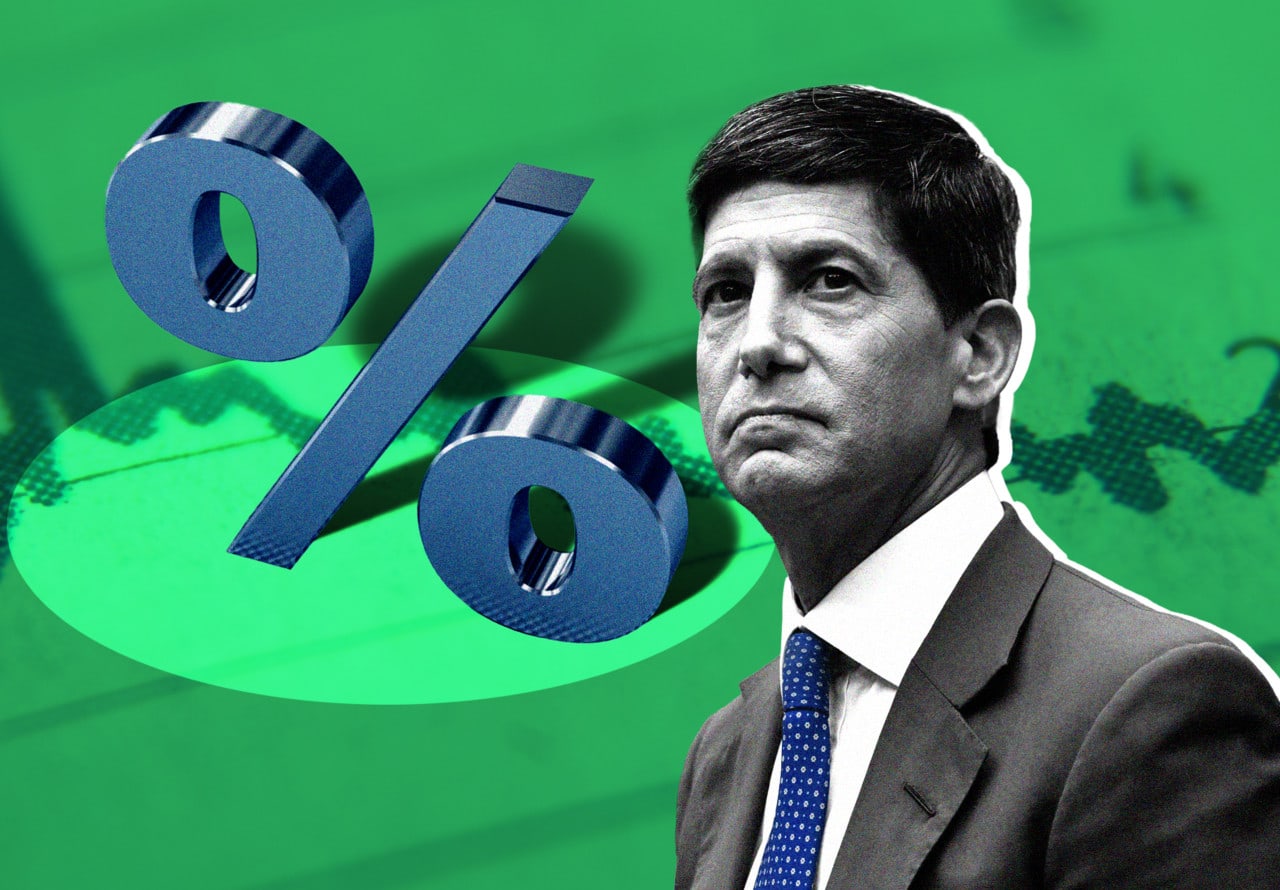
Rising Treasury yields reflect deep market skepticism regarding inflation control and the Federal Reserve's commitment to its policy stance. Investors are signaling concerns that current monetary strategies may not be sufficient to curb inflationary pressures.
The Treasury Market's Inflation Warning
Recent movements in the United States Treasury market have provided a stark signal regarding investor sentiment toward the Federal Reserve's monetary policy. As yields climb, the financial markets are effectively communicating a state of heightened anxiety regarding the persistence of inflation. This surge in yields is not merely a technical adjustment; it represents a fundamental questioning of the economic outlook and the efficacy of current central bank strategies.
The Credibility Gap
The central tension currently residing in the bond market involves a perceived credibility gap. While Fed Chair Kevin Warsh and the Federal Reserve have maintained a hawkish posture regarding their commitment to interest rate management, market participants appear unconvinced. The rising yields suggest that investors are "enormously worried" that the Fed may lack the resolve to follow through on its stated "tough talk" when faced with the volatile realities of the macroeconomic landscape.
Inflationary Expectations
At the heart of this market unease is the stubborn nature of inflation. When Treasury yields rise, it typically indicates that investors are demanding a higher risk premium to hold government debt, often because they anticipate that inflationary pressures will erode the purchasing power of fixed-income returns. This behavior indicates that the market is pricing in a future where inflation remains above the Fed's target, potentially forcing the central bank into a corner where it must choose between aggressive rate hikes and economic stability.
The Impact of Fed Policy
Historically, the relationship between Treasury yields and Federal Reserve policy serves as a barometer for the broader economy. If the market perceives that the Fed is falling behind the curve, yields will continue to push upward, tightening financial conditions regardless of the Fed's official stance. This creates a feedback loop where the market's lack of confidence in the Fed's inflation-fighting capabilities creates real-world economic pressure that the Fed must then address.
Future Trends and Market Outlook
Looking ahead, the trajectory of Treasury yields will remain the primary focal point for global investors. If the Federal Reserve fails to align its actions with its rhetoric, the market is likely to continue pushing yields higher, which could exacerbate borrowing costs for consumers and businesses alike. The coming months will be critical in determining whether Chair Warsh can restore market confidence or if the Treasury market will continue to signal a divergence between official policy and economic reality.
Conclusion
In summary, the current volatility in Treasury yields is a clear manifestation of investor skepticism. By closely monitoring these shifts, observers can gain a better understanding of the mounting pressure on the Federal Reserve to reconcile its policy goals with the harsh realities of an inflation-weary market. The market's warning is unambiguous: action, not just rhetoric, is required to stabilize confidence.
Verification Required?