Treasury yields are broadly flat as investors mull uncertainty around peace talks
Source Entity
US Top News and Analysis
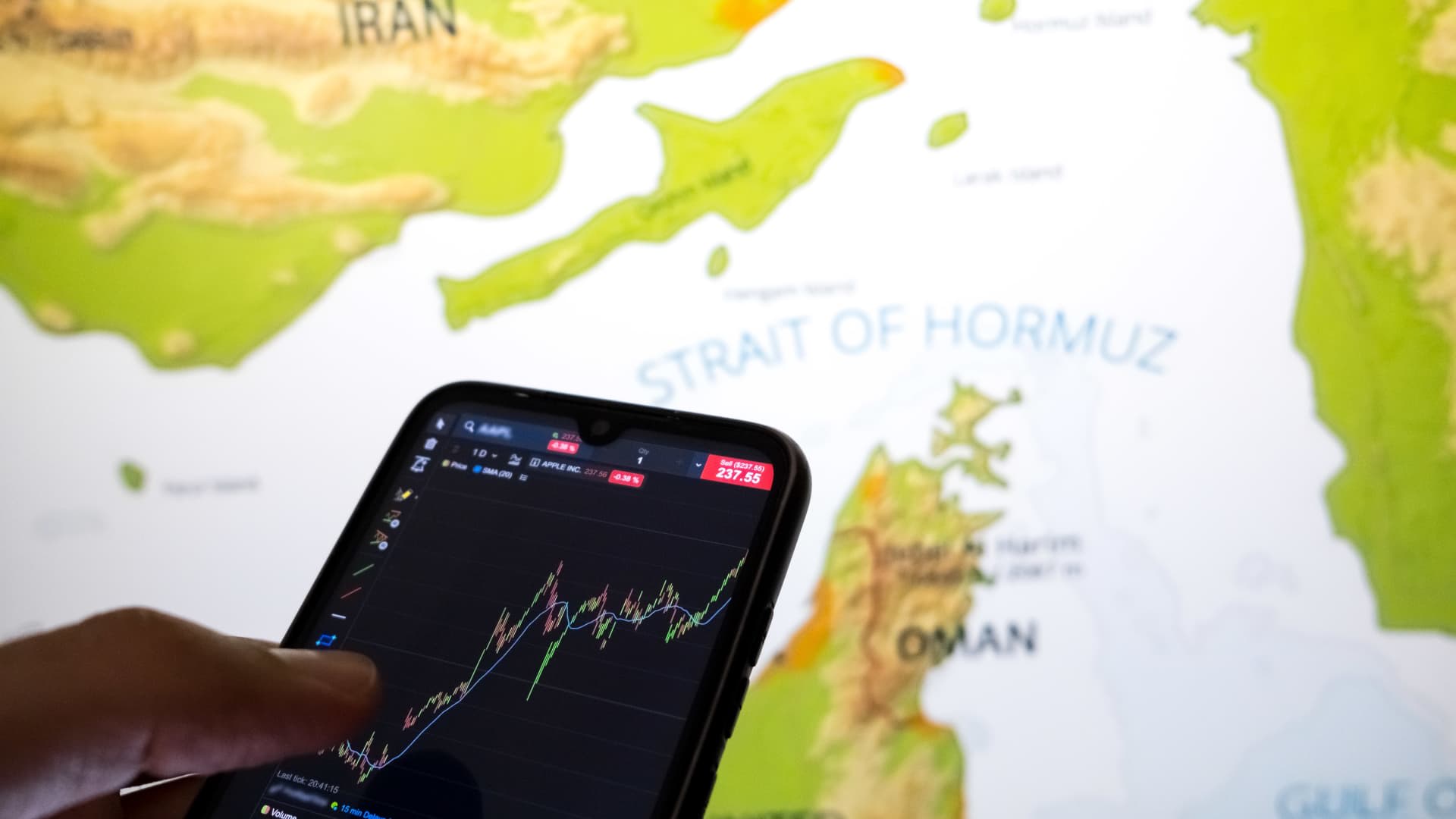
U.S. Treasury yields remained stagnant on Tuesday as markets reacted to geopolitical uncertainty surrounding Middle East peace negotiations. Investors are holding positions steady across the 2-year, 10-year, and 30-year notes while monitoring potential economic ripple effects.
Market Stagnation Amid Geopolitical Uncertainty
On Tuesday, U.S. Treasury yields demonstrated a notable lack of volatility, remaining broadly flat across the yield curve. The 10-year Treasury note, which serves as the primary benchmark for government borrowing costs and influences a vast array of consumer loans, held steady at 4.686%. This period of market equilibrium reflects a cautious investor sentiment as participants digest the ongoing uncertainty regarding the state of peace negotiations in the Middle East.
The Mechanics of Treasury Yields
To understand the current market climate, it is essential to recognize the inverse relationship between bond prices and yields; as prices stabilize, yields remain unmoved. The 2-year Treasury note, often considered a sensitive gauge for Federal Reserve interest rate policy, remained flat at 4.250%. Similarly, the 30-year bond yield stayed at 5.232%. When these key benchmarks fail to shift, it typically signals that the market is currently in a 'wait-and-see' mode, prioritizing the preservation of capital over aggressive speculation.
Geopolitical Risk and Capital Markets
Financial markets historically react to geopolitical instability by seeking 'safe-haven' assets. While Treasurys are the ultimate safe haven, the current uncertainty in the Middle East has created a complex environment where investors are hesitant to commit to new positions. The ongoing negotiations are creating a cloud of unpredictability that outweighs the standard economic indicators that usually drive yield fluctuations, such as inflation data or labor market reports.
Broader Economic Implications
The stability of the 10-year yield is particularly significant because of its influence on mortgage rates and corporate lending. When benchmarks remain flat, it provides a temporary reprieve from borrowing cost volatility, allowing businesses and homeowners to plan with a modicum of certainty. However, this lack of movement is not necessarily a sign of economic health; rather, it is a reflection of a market waiting for a definitive catalyst to break the current stalemate.
Future Outlook and Market Trends
Looking ahead, the direction of these yields will likely be contingent upon the resolution or escalation of the peace talks. If the negotiations reach a tangible breakthrough, we may see a shift in risk appetite, potentially pushing yields higher as investors move capital into riskier assets. Conversely, if instability persists, the demand for government debt may remain supported, keeping yields suppressed. Investors will continue to monitor every basis point—where one basis point equals 0.01%—for signs of a shift in the macroeconomic narrative.