Tressfecta wants to make hair braiding a less arduous task for hairstylists
Source Entity
Dominic-Madori Davis
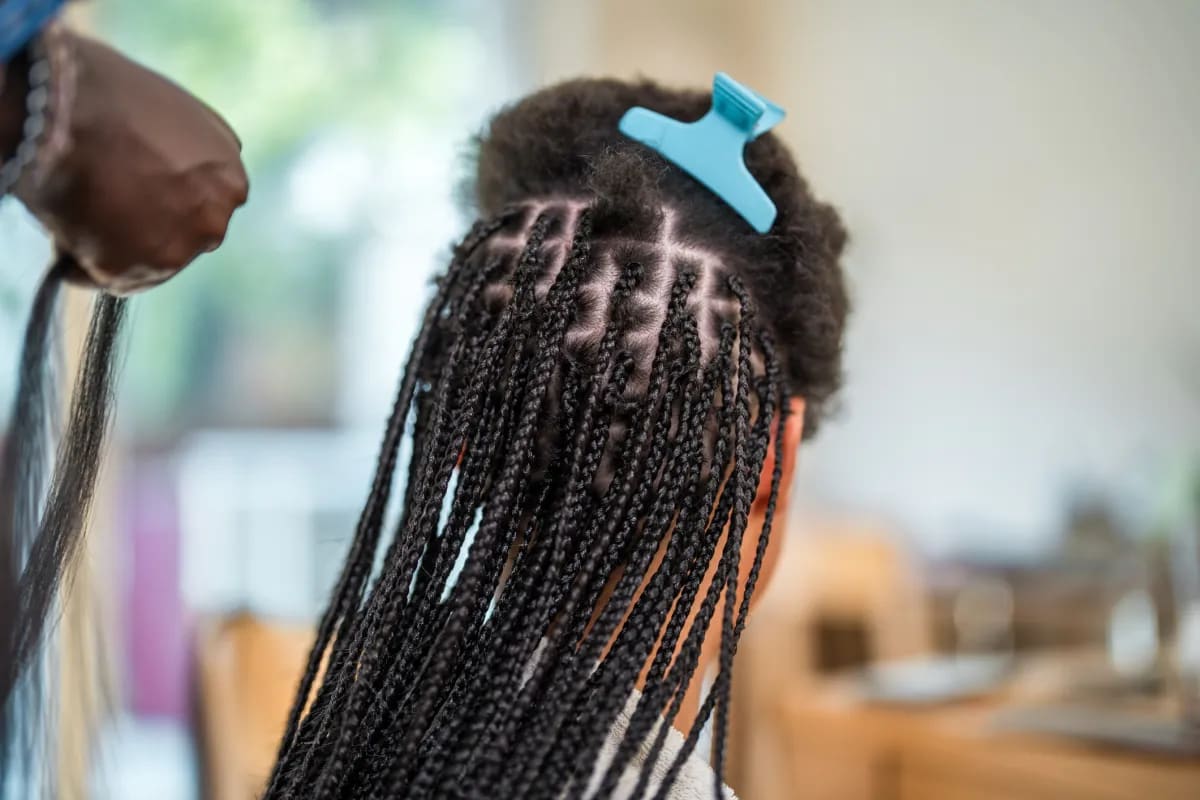
Tressfecta, founded by Aisata Diallo, is developing the Plait Pilot to automate the tedious hair-separation process for stylists. This innovation aims to reduce the physical toll of long braiding sessions, such as cramping and carpal tunnel syndrome.
Innovating Hair Care: The Rise of Tressfecta
The hair care industry, particularly the sector catering to textured hair, has historically been characterized by labor-intensive, manual processes that have remained largely unchanged for decades. Aisata Diallo, a former Northeastern University student and lifelong braider, identified a critical gap in this market. Recognizing that the process of braiding is not only time-consuming—often requiring up to eight hours for a single style—but also physically demanding, she founded Tressfecta to develop ergonomic solutions for professional braiders.
Addressing Occupational Hazards
Professional braiders frequently face chronic physical ailments due to the repetitive nature of their work. The constant standing and precise manual labor required to weave patterns into hair lead to common workplace injuries, including severe muscle cramping and long-term issues like carpal tunnel syndrome. By focusing on these pain points, Tressfecta is positioning itself at the intersection of beauty and health technology, aiming to sustain the longevity of stylists' careers.
The Plait Pilot: Bridging the Gap
The company’s flagship project, the 'Plait Pilot,' serves as a direct response to the most arduous part of the braiding routine: the initial separation of synthetic or natural hair from the pack. Traditionally, this is a manual, time-consuming task that happens before the actual weaving begins. By automating or simplifying this preparatory phase, the tool promises to significantly reduce the total duration of appointments, thereby increasing the efficiency of the stylist and potentially the comfort of the client.
Entrepreneurship Born from Necessity
Diallo's journey reflects a broader trend of student-led innovation, where personal experience directly informs product development. Her transition from a student braider who struggled to find access to local specialists to an entrepreneur solving industry-wide problems highlights the lack of technological infrastructure in the textured-hair market. This grassroots approach allows Tressfecta to build products that are grounded in the actual, daily struggles of the people who use them.
Future Implications for the Beauty Industry
If successful, the Plait Pilot could set a precedent for how technology is integrated into salon environments. As the demand for complex, textured hair styles continues to grow globally, the industry is under pressure to modernize. Tressfecta’s focus on automation suggests a future where stylists can provide high-quality services in less time, reducing physical strain and improving the overall business model for independent hair care professionals.
Conclusion
Tressfecta represents a vital shift toward prioritizing the well-being of hair stylists while acknowledging the high value of their craft. By addressing the physical toll of braiding through targeted engineering, the company is not just creating a tool, but advocating for sustainable working conditions within the beauty industry. As the company moves beyond the conceptual phase, its impact on the daily operations of braiders could prove transformative.