Trezor lifts password ceiling after Coldcard’s $100M wallet thefts
Source Entity
Cointelegraph by Ezra Reguerra
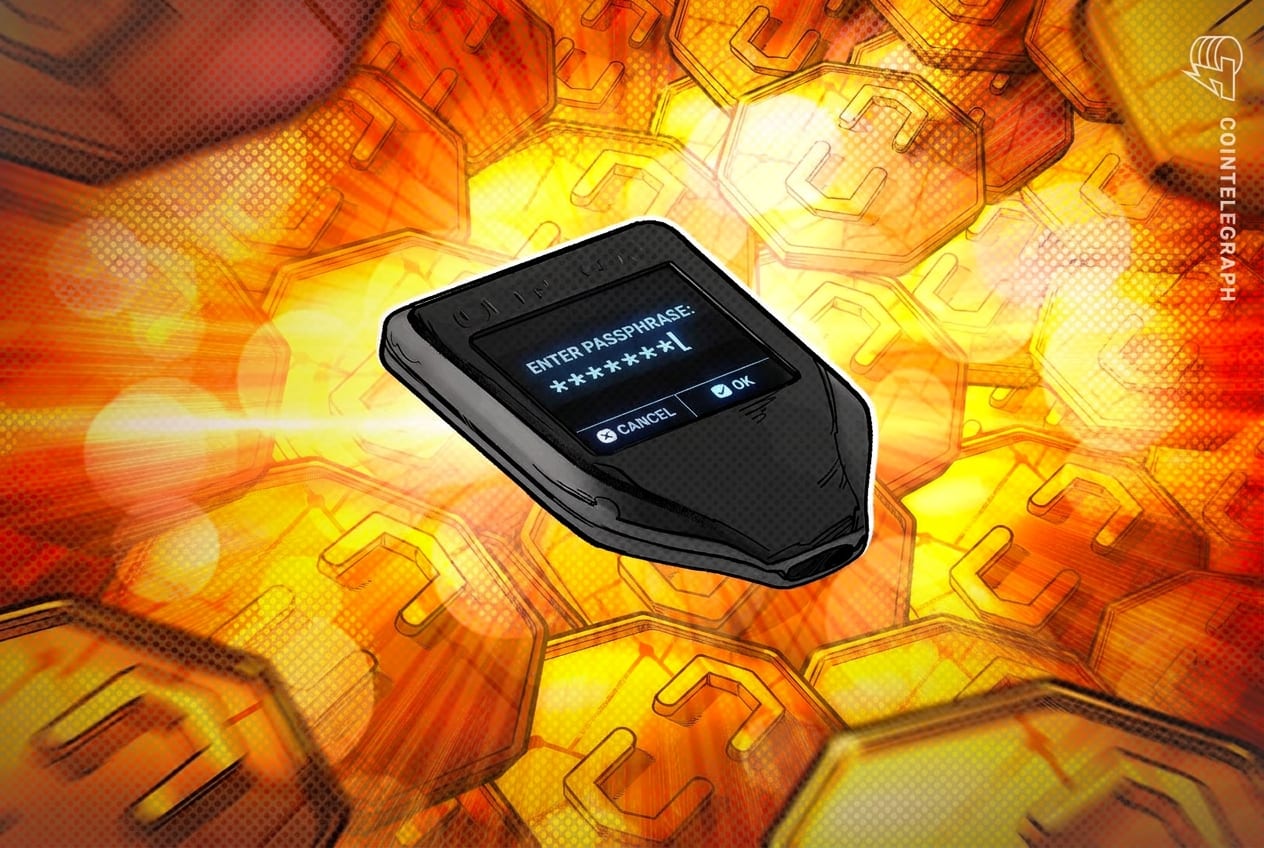
Trezor has extended passphrase limits to 128 characters to bolster security following Coldcard vulnerabilities, while BTCPay Server warns users of fund thefts linked to outdated software. Both developments highlight the critical need for regular firmware and software updates in the cryptocurrency ecosystem.
Strengthening Cryptocurrency Security: Trezor and BTCPay Address Vulnerabilities
The landscape of digital asset security is undergoing a significant shift as two major industry players, Trezor and BTCPay Server, respond to recent threats. Trezor has officially increased its optional wallet passphrase length from 50 to 128 characters, while BTCPay Server has issued an urgent warning regarding unauthorized fund drains affecting its legacy software versions. These developments underscore the persistent tension between user convenience and the robust security protocols required to protect private keys.
Trezor's Proactive Security Enhancement
Trezor's decision to expand the passphrase limit is a direct response to the vulnerabilities identified in Coldcard wallets earlier this July. By extending the limit to 128 characters, Trezor is enabling users to create significantly more complex entropy, which serves as a vital safeguard. As noted by the company, a passphrase acts as a secondary layer of defense; even if a primary recovery phrase is compromised—as seen in the Coldcard incident where insufficient randomness allowed for reconstruction—a strong, unique passphrase can render the stolen data useless to an attacker.
The Critical Role of Firmware Updates
A central theme in the Trezor update is the necessity of firmware management. The expanded passphrase functionality is only available through the Trezor Suite with updated device firmware. This creates a clear distinction between users who prioritize maintenance and those who remain on older, potentially vulnerable versions. The Coldcard attacks serve as a stark reminder that firmware flaws can be catastrophic, and users must treat software updates not as optional enhancements, but as essential security patches.
BTCPay Server and the Risks of Outdated Infrastructure
Parallel to the hardware wallet developments, BTCPay Server has identified an attack vector targeting instances running version 2.4.1 or earlier. The platform’s investigation into unauthorized wallet withdrawals suggests that attackers are actively scanning for and exploiting unpatched servers. By urging operators to shut down servers and move to version 2.4.7, the project is attempting to contain a breach that primarily impacts those who have not kept pace with their infrastructure updates.
Broader Implications for Self-Custody
These events highlight the broader risks inherent in the self-custody movement. While self-custody empowers users by providing full control over their assets, it shifts the burden of security entirely onto the individual and the software providers. The fact that attackers are specifically targeting both hardware wallet recovery processes and hot wallet server software demonstrates a sophisticated, multi-pronged approach to exploiting vulnerabilities in the Bitcoin ecosystem.
Future Trends in Digital Asset Defense
As the cryptocurrency market matures, we can expect to see a move toward more rigorous security standards. The move by Trezor to increase passphrase complexity is likely just the beginning of a trend toward longer, more resilient authentication methods. Simultaneously, platforms like BTCPay Server will likely implement more aggressive automated update mechanisms to prevent the proliferation of legacy, vulnerable instances that threaten the security of the broader network.
Multiple Citing Sources