Will Trump Account holders get $250 Dell grant starting Monday? Here’s who actually qualifies
Source Entity
Latest News: Todays Latest News Headlines from India & World | Hindustan Times | Hindustan Times
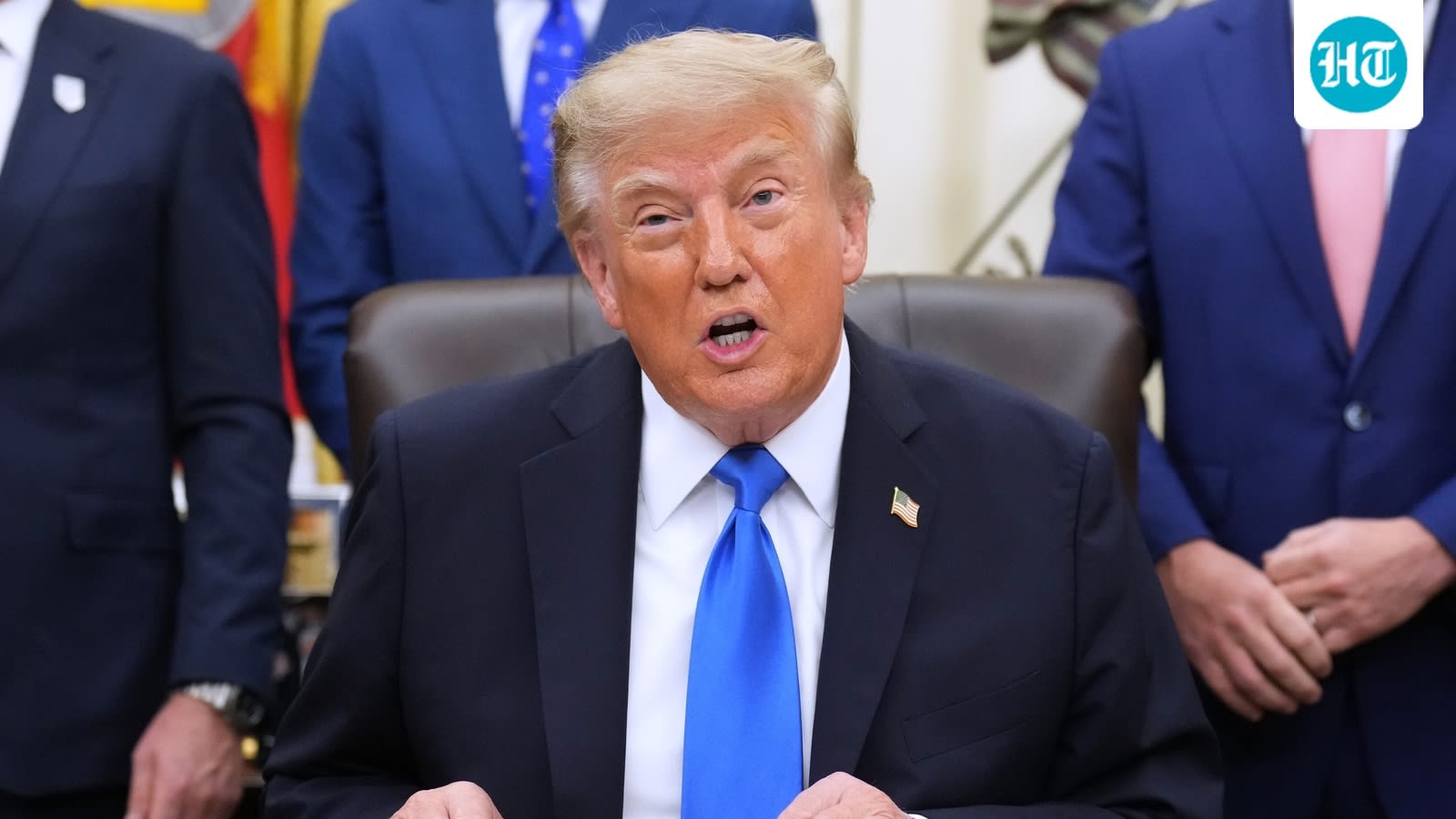
The Michael and Susan Dell Foundation has begun distributing a $6.25 billion gift to children holding Trump Accounts, starting with Texas families. New Treasury guidelines now facilitate tax-free payroll contributions from employers, further incentivizing long-term savings for children.
Understanding the Trump Account Initiative and the Dell Foundation's Role
Recent developments regarding 'Trump Accounts' have brought significant attention to the landscape of childhood financial planning in the United States. These specialized savings accounts, designed to foster early financial security for children, have received a massive boost through a $6.25 billion commitment from the Michael and Susan Dell Foundation. As of late August, the first phase of this initiative has commenced, with eligible children in Texas beginning to receive $250 contributions directly into their accounts.
Eligibility and Distribution Mechanics
The distribution process is structured to prioritize specific demographics. The current $250 gift is targeted at children born between 2016 and 2024 residing in households within ZIP codes where the median income is $150,000 or less. This targeted approach reflects an effort to provide financial support to families who may benefit most from early investment vehicles. It is important to distinguish this private contribution from the federal government's separate initiative, which provides a one-time $1,000 seed deposit for children born between 2025 and 2028.
New Payroll Contribution Guidelines
To streamline the funding of these accounts, the U.S. Treasury has introduced updated guidance that simplifies how families can save. A pivotal change allows employers to contribute up to $2,500 annually per dependent into a child’s Trump Account, and these contributions are classified as tax-free for the employee. Furthermore, employees are now permitted to make pre-tax contributions directly through their employer’s cafeteria plans, mirroring the structure of traditional retirement accounts like 401(k)s.
Corporate Participation and Philanthropic Impact
The impact of the Dell Foundation’s $6.25 billion pledge is being amplified by widespread corporate support. Currently, more than 50 companies have signed on to participate in the matching funds program. By integrating these accounts into the payroll process, the initiative aims to make saving for a child's future a standard component of employee benefits, thereby reframing the national conversation around early childhood financial literacy and long-term asset accumulation.
Administrative Requirements for Employers
For businesses looking to support these accounts, the Treasury has established clear protocols. Employers must maintain a formal written plan document and follow specific certification procedures. These procedures allow companies to rely on an employee's self-certification regarding the beneficiary’s age and dependent status, reducing the administrative burden while ensuring compliance with the program's tax-advantaged rules.
Future Outlook and Societal Implications
Looking ahead, the combination of federal seed money, massive private philanthropic backing from the Dells, and employer-sponsored contribution models suggests a robust shift in how Americans approach education and future savings. By enabling tax-free employer contributions and providing direct grants to lower-to-middle-income families, the Trump Account program creates a multi-layered financial safety net. If adoption continues at the current pace, this model could become a cornerstone of American family financial planning, potentially setting a precedent for public-private partnerships in social welfare.
Verification Required?