12.5% to 10%: Why Trump admin imposed reduced tariff rate on India & what it means
Source Entity
SMRITI JAIN
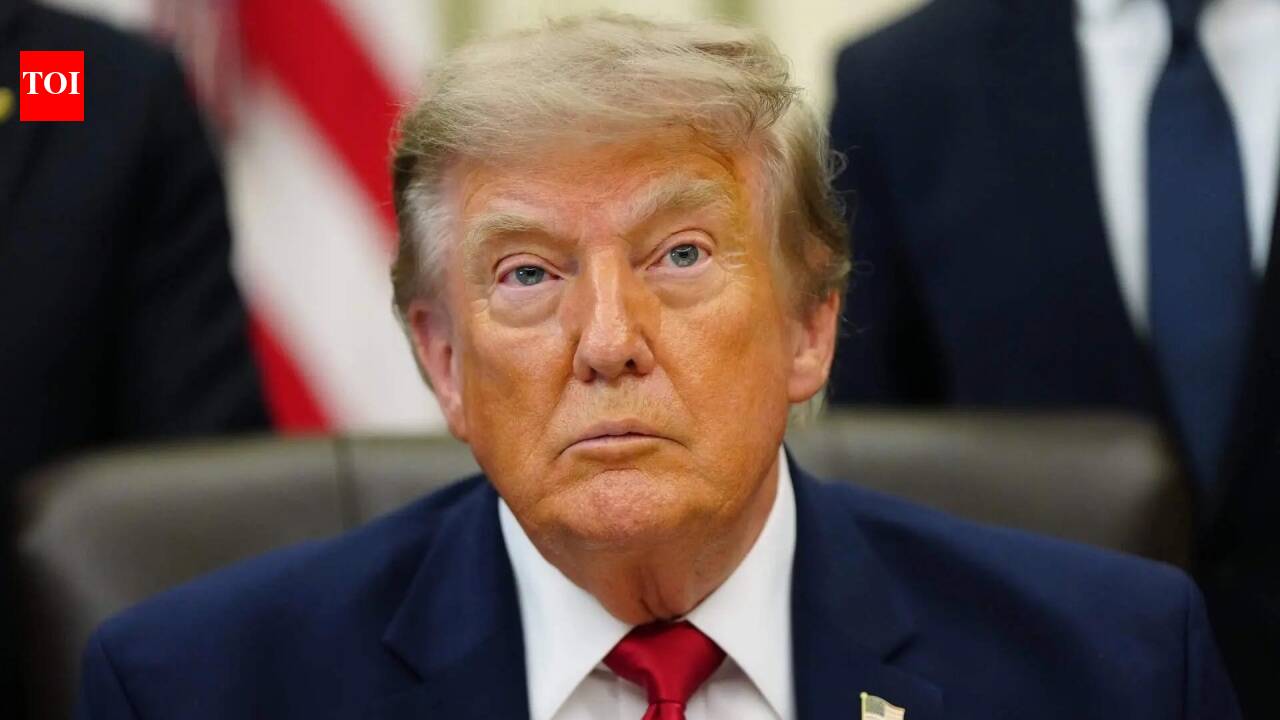
The Trump administration has finalized a 10% tariff on Indian imports as part of a broader Section 301 investigation into forced labor practices across 60 economies. This move replaces previous temporary global duties and establishes a tiered tariff structure for Indian exports to the United States.
US Trade Policy Shift: Understanding the New Tariff Framework for India
The Trump administration has officially transitioned its trade strategy, moving from temporary global duties to a more targeted approach under Section 301 of the Trade Act of 1974. Following an extensive investigation by the US Trade Representative (USTR), which involved public hearings and government consultations, India has been placed in the 10% tariff category. This decision affects 60 economies globally and is explicitly linked to the enforcement of stringent standards against goods produced using forced labor.
The Mechanics of Section 301 and Forced Labor Enforcement
At the core of this policy shift is the Section 301 probe, a mechanism designed to combat unfair trade practices. By linking tariffs to forced labor enforcement, the administration is leveraging market access to influence international supply chain standards. For India, the 10% rate represents a nuanced outcome; while it remains a significant trade barrier, it avoids the higher 12.5% tier applied to other nations, signaling a recognition of recent policy adjustments made by the Indian government in response to US concerns.
Impact on India’s Export Landscape
Following these adjustments, India’s exports to the US are now segmented into three distinct categories. First, Section 232 duties persist for key sectors like steel, aluminum, copper, and auto components, which face elevated tariffs of 25% or 50% on top of normal Most Favored Nation (MFN) duties. These sectors represent approximately 8% of India’s total exports to the US, highlighting a continued area of friction.
Analyzing the Broader Export Spectrum
Beyond the specific Section 232 products, the remaining Indian export volume is split between exempted goods—which remain subject only to standard MFN tariffs—and the bulk of products now covered by the new 10% Section 301 duty. This latter group comprises roughly 70% of India’s exports, including vital engineering goods, chemicals, and machinery. The shift from a temporary global tariff to this specific structure provides a clearer, albeit more expensive, regulatory horizon for Indian exporters.
Transition and Implementation Timeline
The new duties took effect at 12:01 am EDT on Friday, immediately replacing the expiring temporary global tariffs. To mitigate supply chain disruptions, the USTR has provided a grace period for goods already in transit, which will remain exempt from the new rates until July 28. This transition period is critical for Indian manufacturers and shipping logistics providers to recalibrate their pricing and compliance strategies.
Future Implications and Economic Outlook
The long-term impact of these tariffs will depend on how effectively India can demonstrate compliance with forced labor standards to the USTR. As the US continues to prioritize the integrity of its supply chains, the relationship between trade policy and labor enforcement is likely to remain a central theme in US-India commercial relations. Businesses are now tasked with navigating this complex, tiered environment while managing the cost implications of the new 10% baseline for the majority of their US-bound goods.
Multiple Citing Sources