Make in India, PLI at heart of US case for proposed 25% tariffs on Indian goods
Source Entity
Latest News: Todays Latest News Headlines from India & World | Hindustan Times
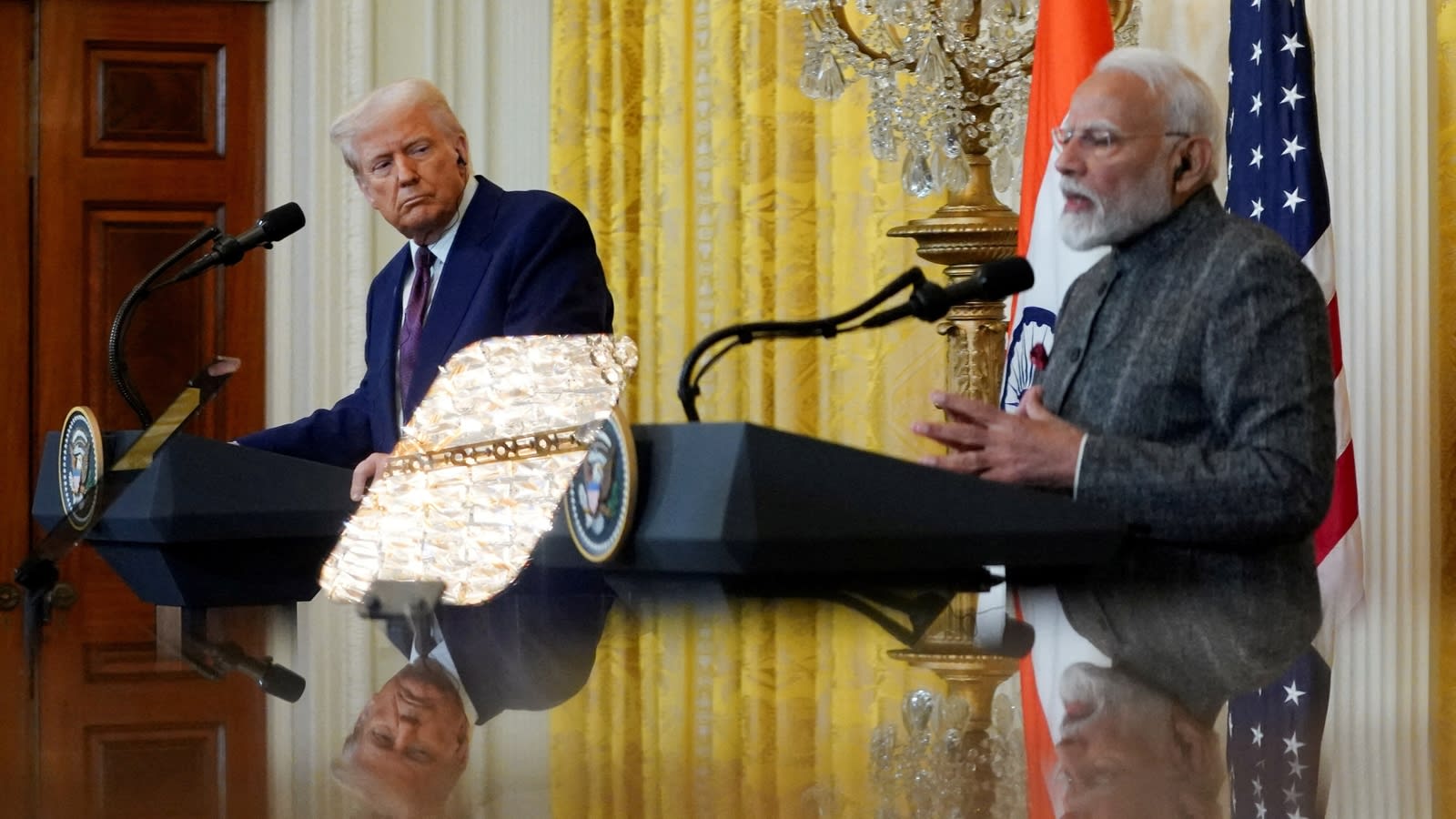
The Trump administration is preparing new tariffs on 16 major trading partners, including China, the EU, and India, following a Section 301 investigation. These measures aim to address alleged excess industrial capacity while navigating legal hurdles after previous efforts were struck down by the Supreme Court.
The New Wave of American Protectionism
The Trump administration is reportedly finalizing a new suite of trade levies targeting 16 major global economies, including China, the European Union, Mexico, Japan, and India. This development follows a rigorous investigation conducted under Section 301 of the Trade Act of 1974, which seeks to address concerns regarding alleged excess industrial capacity among key U.S. trading partners. By leveraging this specific legal framework, the White House is attempting to reset its trade agenda following a period of significant judicial turbulence.
Navigating Legal and Judicial Roadblocks
This strategic pivot comes in the wake of a major legal setback earlier this year, when the U.S. Supreme Court ruled that the administration’s previous "Liberation Day" tariffs were illegal. The current administrative effort serves as a calculated workaround to replace those invalidated taxes, aiming to achieve similar protectionist goals while operating within a framework that the administration hopes will withstand judicial scrutiny. The transition from broad, sweeping measures to targeted Section 301 findings represents a shift toward a more formalized, albeit contentious, trade policy.
The Economic Rationale and Domestic Impact
At the core of this policy lies the President’s long-standing belief that tariffs serve as a primary catalyst for revitalizing domestic manufacturing and incentivizing job creation. By imposing duties on imported goods, the administration argues that it can level the playing field for American companies. However, the economic reality has been more complex; previous iterations of these tariffs have already contributed to inflationary pressures and higher prices for American consumers, a trend that analysts fear may intensify with this new round of duties.
Global Repercussions and Trade Relations
The inclusion of 16 jurisdictions—ranging from major economic blocs like the EU to strategic partners like India and Japan—signals a broad-based approach to trade enforcement that is likely to invite significant international pushback. As the U.S. Trade Representative’s office prepares to stack these new duties on top of existing measures from the current term, global supply chains face renewed uncertainty. Trading partners are expected to monitor these developments closely, with many likely preparing retaliatory measures to protect their own domestic industries.
Future Trends in Trade Policy
Looking ahead, the success of this initiative will depend on whether the administration can effectively decouple its trade policy from the legal vulnerabilities that plagued its earlier efforts. If these tariffs remain in place, they are likely to solidify a permanent shift toward protectionism in U.S. foreign policy. Future trends will likely involve prolonged trade negotiations as the U.S. seeks to use these tariffs as leverage to force concessions on industrial capacity, potentially altering the landscape of global commerce for the foreseeable future.
Multiple Citing Sources
Verification Required?