Trump administration plans another H-1B rule, and this one could change how the visa program works. Details here
Source Entity
Latest News: Todays Latest News Headlines from India & World | Hindustan Times | Hindustan Times
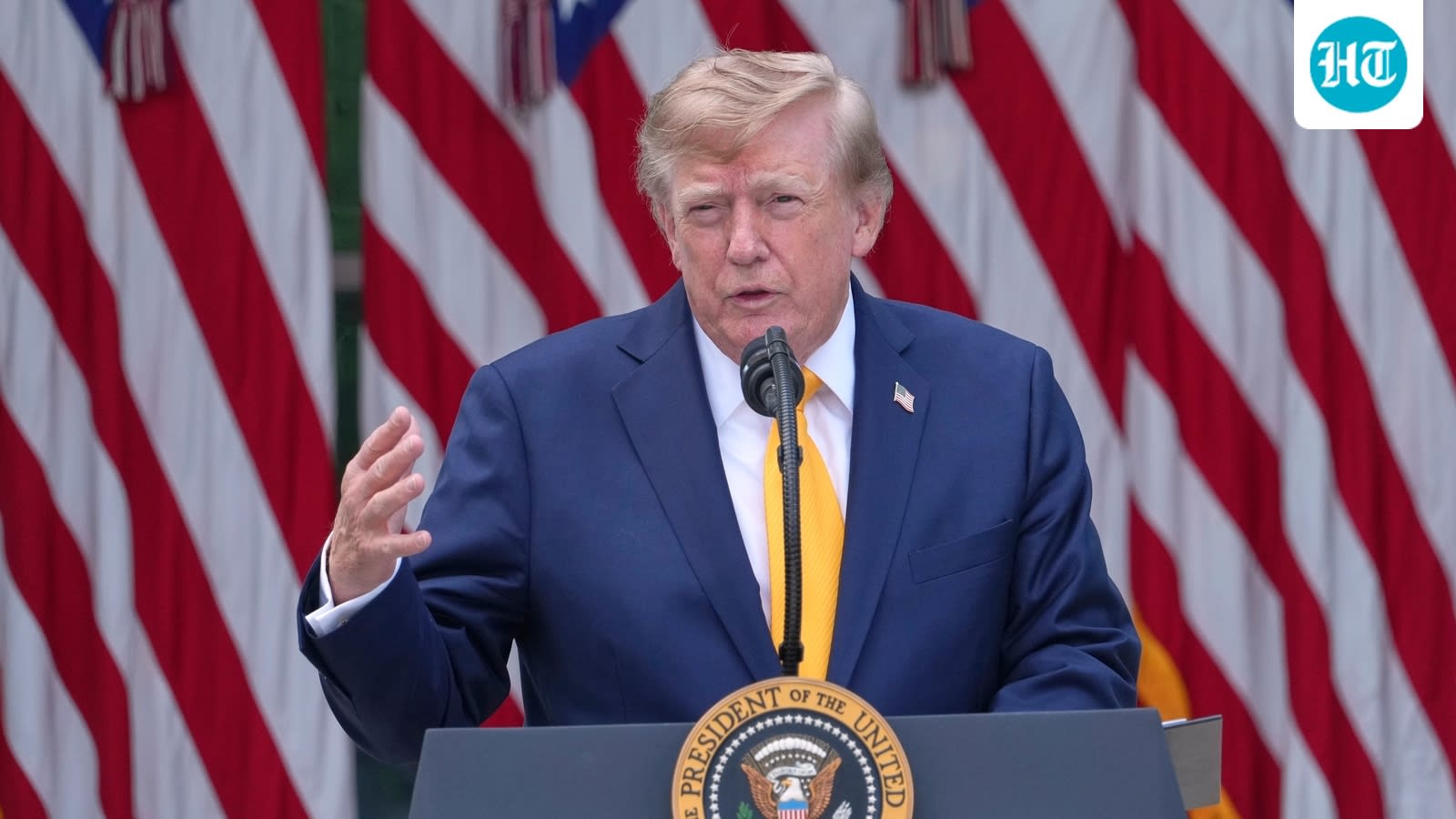
The Trump administration is implementing aggressive immigration policy changes, including a $103,000 H-1B visa fee and potential mass revocation of asylum seeker visas. These shifts create significant hurdles for Indian professionals and students, fundamentally altering the traditional US immigration pathway.
The Transformation of US Immigration Policy
The Trump administration has initiated a series of aggressive policy shifts aimed at curbing both legal and humanitarian immigration. By leveraging administrative tools—ranging from unprecedented fee hikes to mass visa revocations—the administration is signaling a departure from traditional visa management toward a strategy of attrition and restriction. These moves, executed by the Department of Homeland Security and the State Department, represent a fundamental restructuring of the American immigration landscape.
Financial and Administrative Barriers
Central to these changes is the announcement of a $103,000 filing fee for H-1B visas. This massive financial barrier is designed to challenge the reliance of the technology sector on foreign talent. Beyond mere cost, the administration is pursuing an overhaul of the H-1B program itself, which includes heightened scrutiny of employers, revised eligibility for cap exemptions, and increased oversight for workers placed at third-party sites. These measures suggest an attempt to restrict the program's utility for large-scale corporate staffing.
Mass Revocation and Asylum Policy
Parallel to the changes for skilled workers, the State Department is reportedly planning to revoke the visas of up to 200,000 asylum seekers. If enacted, this would constitute the largest mass visa revocation in United States history. This strategy aligns with a broader administration goal: achieving high deportation numbers by stripping legal status from those already residing in the country, effectively forcing individuals toward "self-deportation" through civil fines and asset seizure threats.
Impact on Indian Professionals and Students
For Indian nationals, who represent a significant share of H-1B visa holders and international students, these developments are particularly disruptive. The traditional pipeline—transitioning from an F-1 student visa to practical training, then to H-1B status, and ultimately toward a Green Card—is becoming increasingly precarious. The complexity of these changes is compounded by operational disruptions, such as the August 26 worldwide pause in visa interviews for consular officer training.
Broader Strategic Implications
The administration’s approach suggests a pivot toward a more restrictive, "America First" labor and immigration policy. By creating legal hurdles for both new applicants and current visa holders, the government is effectively tightening the labor market and reducing the presence of foreign-born talent. This strategy of systemic pressure indicates that the administration prioritizes reducing immigration numbers over maintaining the established pathways that have historically fueled the US technology sector.
Future Outlook
As these rules move through the Office of Management and Budget and eventually into the Federal Register, the long-term impact on global talent mobility remains uncertain. The combination of extreme financial costs, increased employer liability, and the mass revocation of existing statuses suggests that the "student-to-worker" pipeline will face continued volatility. Stakeholders must prepare for a future where immigration is governed less by predictable regulatory frameworks and more by dynamic, restrictive administrative mandates.
Multiple Citing Sources
Verification Required?