US tariffs could divert textile input sourcing, say Indian exporters
Source Entity
Ravi Dutta Mishra
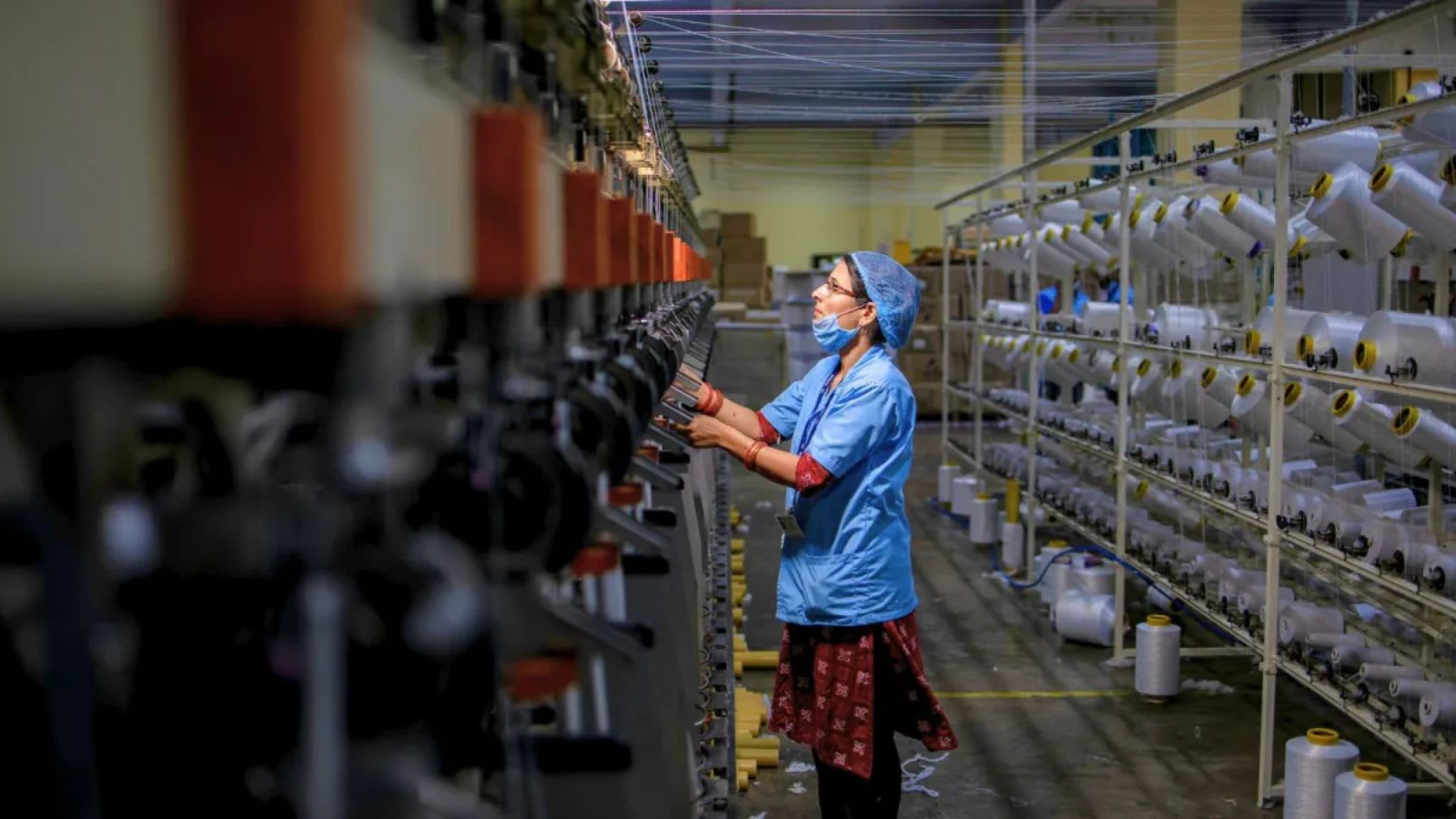
The Trump administration is implementing new tariffs of 10% to 12.5% on 60 trade partners, replacing expiring global duties. These measures, linked to forced-labor investigations, are expected to disrupt global supply chains and impact export competitiveness for countries like India.
The Resurgence of Protectionist Trade Policy
The Trump administration has initiated a significant escalation in its trade strategy, announcing a new wave of tariffs targeting 60 trade partners. These duties, ranging from 10% to 12.5%, are set to take effect immediately following the expiration of previous temporary global tariffs. This move comes after the administration faced significant legal hurdles earlier in the year, signaling a renewed commitment to utilizing trade policy as a primary tool for geopolitical and economic leverage.
The Rationale Behind the Duties
Central to this policy shift is the invocation of Section 301 investigations, which the administration has utilized to address allegations of forced-labor violations within foreign supply chains. By linking trade barriers directly to labor practices, the U.S. Trade Representative (USTR) is attempting to institutionalize human rights standards into the framework of international commerce. This approach effectively covers 99.4% of U.S. trade, representing a nearly total overhaul of the current import tariff structure.
Impact on Global Textile Sourcing
For nations like India, these tariffs present a complex economic challenge. While Indian exporters are facing an additional 10% levy that increases the landed cost of their goods, they remain cautiously optimistic about their relative positioning against competitors like China and Vietnam. However, the introduction of specific tariff-rate quotas (TRQs) for countries such as Bangladesh, Cambodia, Indonesia, and Malaysia creates a new layer of volatility. These quotas, which are contingent on the import of U.S. cotton, may inadvertently shift global demand away from Indian raw materials like yarn and intermediate textile goods.
Challenges for Indian Exporters
Industry bodies, including the Federation of Indian Export Organisations (FIEO), have highlighted the immediate financial strain these tariffs place on Indian firms. The increase in landed costs threatens the thin profit margins typical of labor-intensive sectors. As the U.S. continues to refine its trade enforcement, Indian manufacturers must navigate not only the direct impact of the Section 301 tariffs but also the indirect consequences of shifting regional trade flows caused by the new TRQs.
Future Trends and Economic Implications
Looking ahead, the lack of clear revenue projections from the USTR suggests that the primary objective of these tariffs is regulatory compliance rather than fiscal gain. As the administration moves forward, the global market can expect a period of heightened supply chain instability. Countries will likely look to diversify their sourcing and production models to mitigate the impact of these fluctuating duties, potentially leading to a more fragmented global trade environment where alignment with U.S. labor standards becomes a prerequisite for market access.
Conclusion
In summary, the transition from temporary global tariffs to a more targeted, investigation-based duty system marks a pivotal moment for international trade. While the administration aims to curb forced-labor practices, the immediate reality is one of rising costs and logistical uncertainty for major trading partners. The long-term success of this strategy will depend on whether these measures effectively reform labor practices or simply force a costly reorganization of global supply chains.
Multiple Citing Sources