The White House is dictating access to frontier AI models, shifting power from tech giants, sources say
Source Entity
US Top News and Analysis
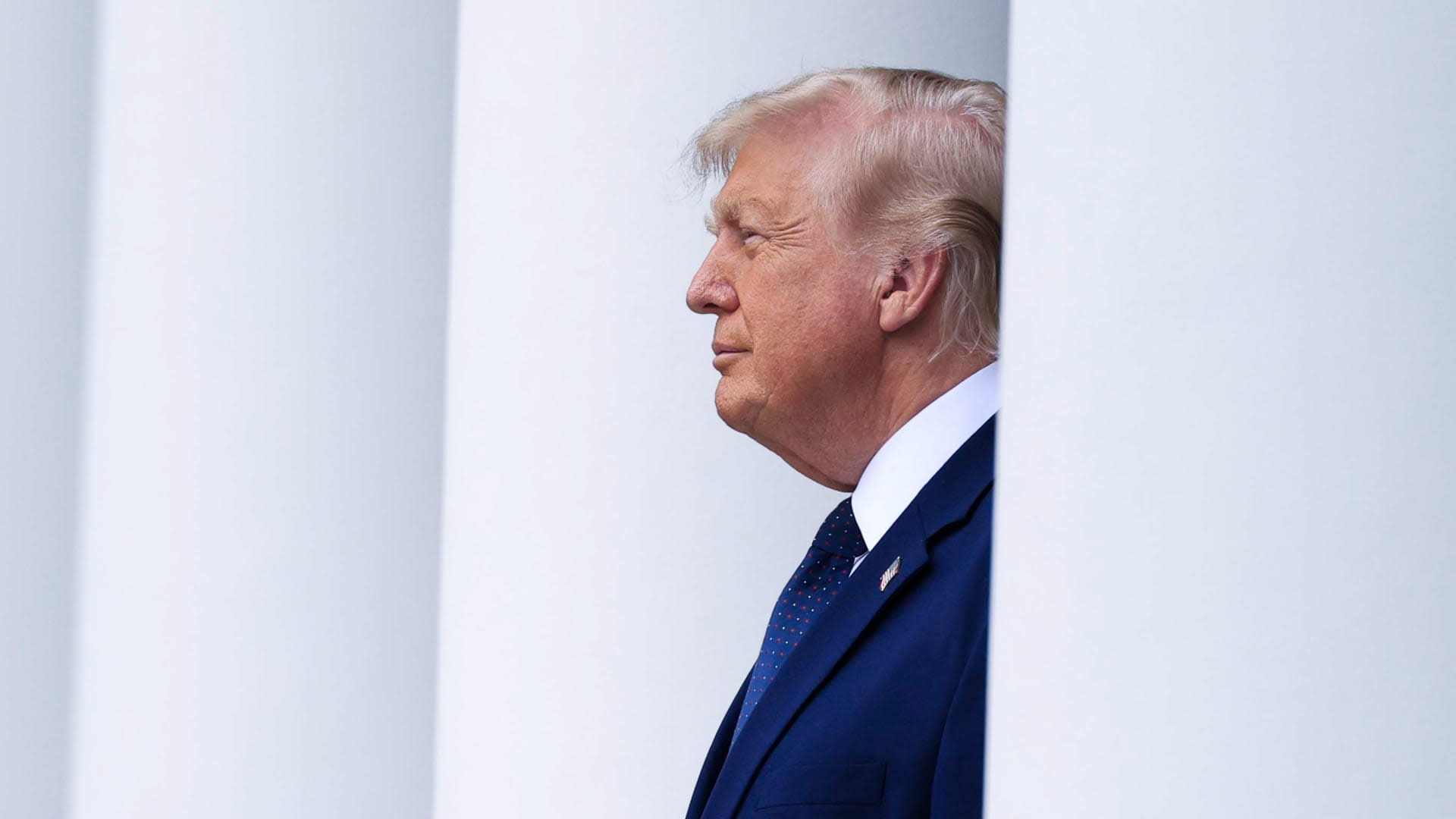
The Trump administration is asserting federal control over the distribution of advanced frontier AI models. This shift moves decision-making power away from private entities like OpenAI and Anthropic to ensure oversight of powerful technology.
A New Era of Federal Oversight for Frontier AI
The Trump administration has initiated a significant shift in the governance of artificial intelligence, moving to assert direct federal control over the distribution and access protocols for the world's most advanced frontier models. By intervening in the decision-making process previously held by private sector giants, the White House is signaling that the deployment of transformative AI technology is now a matter of national security and strategic policy rather than purely commercial interest.
Shifting Power from Silicon Valley to Washington
Historically, the trajectory of AI development has been largely dictated by private corporations. Entities such as OpenAI and Anthropic have functioned as the primary gatekeepers, determining which enterprise customers, government agencies, and research partners received access to their most powerful, high-compute models. This decentralized approach allowed for rapid innovation but raised concerns regarding transparency and the potential misuse of high-capability systems.
The Strategic Role of Executive Action
The recent executive order signed by President Donald Trump, flanked by Commerce Secretary Howard Lutnick and Senator Ted Cruz, marks a formal transition toward centralized management. By dictating who is permitted to utilize these models, the administration aims to create a structured framework that mitigates risks associated with the proliferation of advanced AI. This move suggests that the federal government intends to treat frontier AI as a critical infrastructure asset that requires stringent oversight.
Implications for Industry Leaders
For companies like Anthropic—which recently unveiled its high-capability Mythos model—and OpenAI, this represents a fundamental change in their operating environment. These firms must now align their distribution strategies with federal mandates. While this may introduce bureaucratic hurdles, it also provides a clearer regulatory landscape that could define the parameters for safe and responsible AI deployment in the coming years.
Future Trends and National Security
The involvement of the Senate Commerce Committee underscores the bipartisan interest in managing the rapid advancement of AI. As models become increasingly powerful, the capability to influence their deployment becomes a vital component of national policy. Future trends will likely see the development of specific licensing regimes and vetting processes for entities seeking to integrate frontier models into their operations, ensuring that the technology is deployed in alignment with broader governmental objectives.
Conclusion
This policy shift marks a definitive end to the era of unchecked corporate discretion regarding frontier AI. By reasserting control at the executive level, the Trump administration is positioning the federal government as the ultimate arbiter of AI access. As the technology continues to evolve, the impact of these new controls will likely serve as a blueprint for how global superpowers manage the risks and rewards of the next generation of artificial intelligence.