Trump slammed for posting AI video after UK zoo tiger attack; victim’s family pleads: ‘Stop circulating footage’
Source Entity
The Indian Express
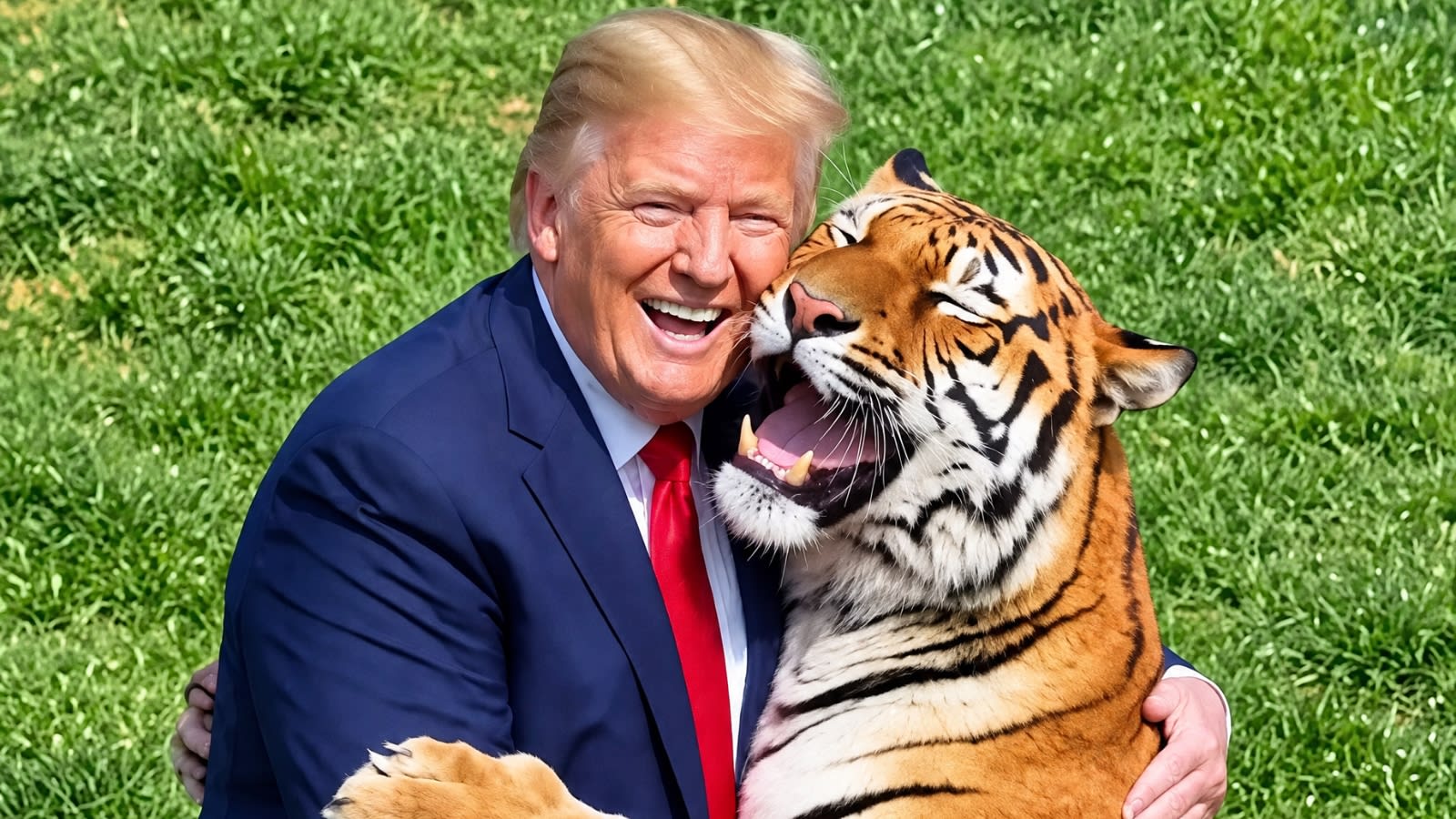
The family of William Chapman, who died in a tiger attack at a UK wildlife park, has condemned Donald Trump for sharing footage of the incident and an AI-generated video of himself with the tiger. The family stated the posts are causing them severe distress and have requested an end to the circulation of the media.
The Intersection of Tragedy and Digital Content
The recent controversy involving the death of 23-year-old William Chapman at Yorkshire Wildlife Park has taken an unexpected and distressing turn. Following the fatal incident, which occurred on Saturday, October 10, near Doncaster, England, the victim's family has been forced to navigate not only their grief but also the viral spread of footage depicting the attack. The situation escalated significantly when US President Donald Trump shared the clip on his Truth Social platform, accompanied by the caption, “Don’t ever mess with nature! President DJT.”
The Role of AI in Political Discourse
Following the reposting of the original incident footage, the discourse surrounding the tragedy shifted into the realm of artificial intelligence. President Trump subsequently shared an AI-generated video that depicted himself playing with the very tiger involved in the fatal attack. This rapid transition from sharing raw, violent footage to distributing manipulated content highlights the growing, and often contentious, role of AI in shaping public narratives and political messaging on social media platforms.
Family Distress and the Ethics of Sharing
In a statement released on Tuesday, the relatives of William Chapman expressed their profound anguish, describing the circulation of both the original attack footage and the AI-generated imagery as “deeply offensive.” The family emphasized that these digital artifacts are causing them “severe distress” during an already traumatic period of mourning. Their public plea serves as a critical reminder of the human cost associated with the viral nature of modern digital media, where personal tragedies are often co-opted for political or engagement-driven objectives.
Regulatory and Investigative Context
Beyond the social media firestorm, the death of William Chapman remains subject to an active investigation at Yorkshire Wildlife Park. Authorities are tasked with determining the circumstances that allowed a member of the public to enter the tiger enclosure, leading to the fatal encounter. The focus remains on safety protocols and the security measures in place at the facility, which are now under intense scrutiny as the investigation proceeds.
Broader Implications for Social Media Responsibility
This incident underscores a growing tension between the freedom of expression on digital platforms and the right of victims' families to maintain privacy and dignity. The use of AI to synthesize imagery related to a real-world tragedy raises significant ethical questions regarding the moderation of content that is not necessarily misinformation, but is undeniably insensitive or harmful. As AI tools become more accessible, the ability to manipulate tragic events for public consumption poses a complex challenge for platform moderators and political figures alike.
Conclusion: A Call for Digital Empathy
The plea from the Chapman family serves as a somber conclusion to this sequence of events. While the investigation into the wildlife park incident continues, the public and high-profile users of social media are being urged to consider the real-world impact of their digital actions. The incident remains a stark example of how, in the age of viral content, the boundaries between political commentary and personal tragedy are increasingly blurred, often at the expense of those most affected by the loss.