US vows toughest-ever Iran sanctions, presses China to help reopen Hormuz
Source Entity
YASHASVI VASISTHA
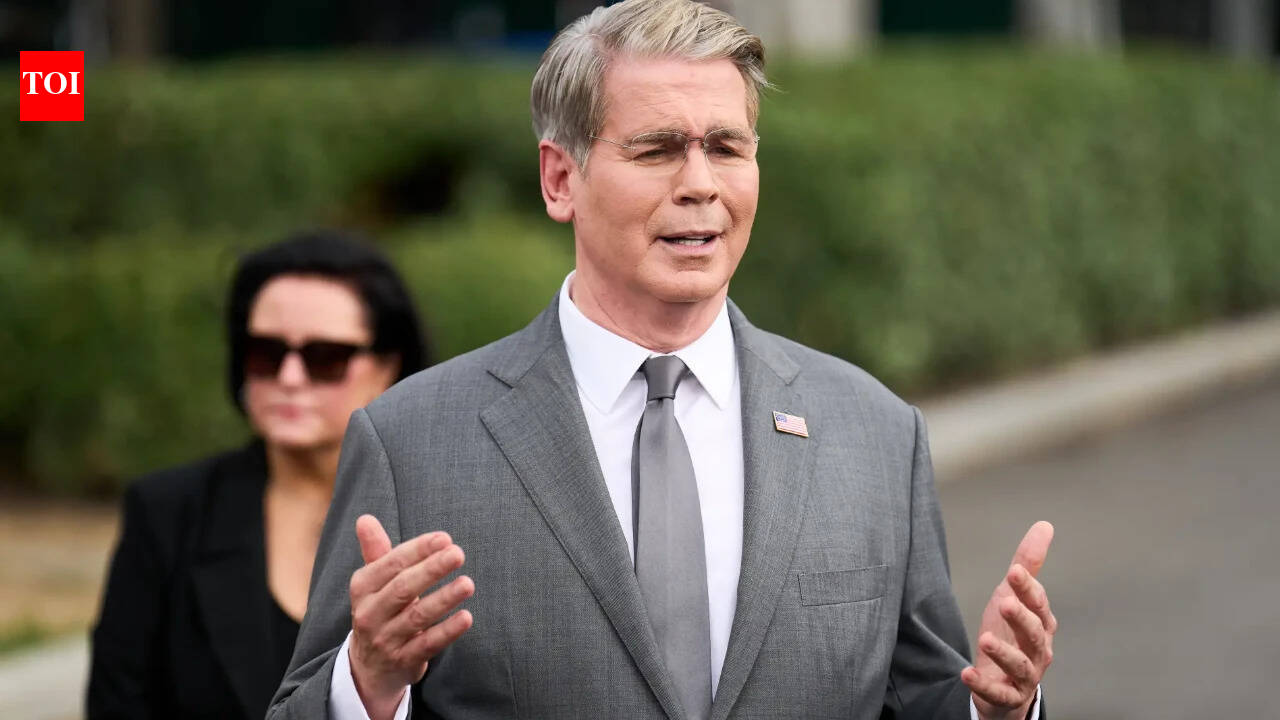
President Donald Trump has announced an 'Economic D-Day' against Iran, vowing unprecedented economic warfare and isolation. He also issued a stern warning to any nations providing support to the Iranian regime, promising tremendous consequences for such actions.
The Escalation of Economic Pressure on Iran
President Donald Trump has officially declared an "Economic D-Day" against the Islamic Republic of Iran, signaling a profound shift in U.S. foreign policy. By characterizing the impending measures as the "most severe economic operation ever imposed on a country," the administration is signaling a departure from previous diplomatic overtures. This declaration, disseminated via Truth Social, underscores the administration's frustration with the lack of progress regarding a potential deal, which the President claims to have offered multiple times.
The Doctrine of Unprecedented Isolation
The term "Economic D-Day" carries significant historical weight, invoking imagery of a decisive, overwhelming offensive. In this context, the administration intends to deploy economic warfare to cripple Iran’s fiscal capabilities and foster total international isolation. This strategy suggests that the U.S. is prepared to leverage its full geopolitical and financial influence to ensure that the Iranian economy faces sustained, high-intensity pressure that transcends traditional sanctions regimes.
Expanding the Scope to Global Partners
A critical component of this new campaign is the warning issued to third-party countries. President Trump has explicitly threatened "tremendous consequences" for any nation that continues to support or facilitate Iran’s economic survival. This secondary sanction approach serves as a geopolitical dragnet, forcing international stakeholders to choose between maintaining access to the U.S. market or continuing their economic ties with Tehran. By targeting the supporters of the regime, the U.S. aims to accelerate the isolation of Iran, effectively cutting off its remaining financial lifelines.
Administrative Context and Technology Meetings
Interestingly, these geopolitical maneuvers were announced in tandem with domestic economic activities. Reports indicate that the President was engaged in meetings with technology leaders, including Gemini co-founders Cameron and Tyler Winklevoss, at the White House on August 19, 2026. While the primary focus of such meetings often involves domestic innovation and regulatory frameworks, the timing suggests a dual-track strategy: bolstering U.S. technological and economic dominance at home while simultaneously weaponizing that economic power abroad against strategic adversaries.
Future Implications and Global Stability
The move toward "unprecedented economic warfare" carries significant implications for global energy markets and international relations. If the U.S. follows through on these threats, the global financial system may see increased volatility as countries navigate the complexities of complying with U.S. mandates. Furthermore, the reliance on economic coercion as a primary tool of statecraft suggests that the coming months will be defined by intense diplomatic friction and a potential reconfiguration of global trade alliances as nations assess the risks of defying the U.S. position on Iran.
Conclusion
In summary, the announcement of an "Economic D-Day" marks a pivotal moment in the U.S.-Iran relationship. By combining direct economic warfare with threats of secondary sanctions against global partners, the Trump administration is initiating a high-stakes strategy aimed at total isolation. As the world watches these developments, the ultimate efficacy of this campaign will depend on the willingness of the international community to adhere to U.S. pressure and the resilience of the Iranian economy in the face of such extreme fiscal strain.
Multiple Citing Sources