‘I come home only to sleep’: Employee earning ₹35,000 details 6-hour daily commute
Source Entity
Latest News: Todays Latest News Headlines from India & World | Hindustan Times | Hindustan Times
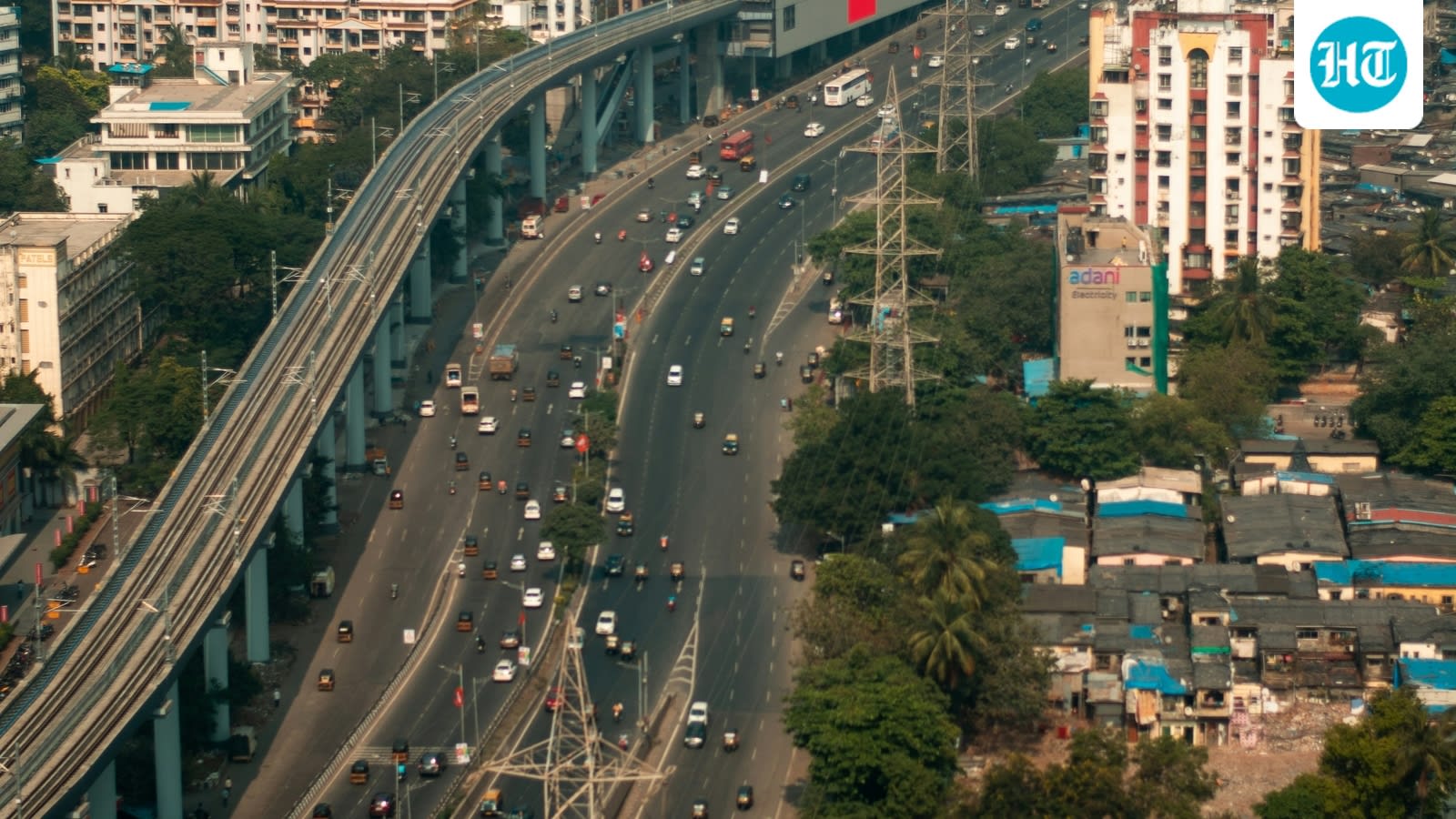
A Mumbai-based employee has highlighted the grueling reality of urban transit by detailing a six-hour daily commute between Badlapur and Goregaon. This viral account underscores the immense physical and emotional toll that long-distance commuting exerts on the workforce.
The Crushing Reality of Mumbai's Daily Commute
The recent account shared by a Mumbai-based employee on Reddit regarding their daily transit routine from Badlapur to Goregaon has ignited a broader conversation about the sustainability of urban life in India’s financial capital. Spending six hours a day in transit is not merely a logistical inconvenience; it represents a profound erosion of quality of life, effectively leaving the individual with no time for personal health, family, or rest beyond the bare minimum required for sleep.
The Anatomy of a Grueling Routine
According to the employee, the day begins at 5:00 AM, with a departure time of 6:30 AM to navigate the complex suburban rail and road network. Returning home by 11:00 PM creates a cycle of exhaustion that is becoming increasingly common among the workforce residing in the Mumbai Metropolitan Region (MMR). This specific route, connecting the far-flung suburb of Badlapur to the commercial hub of Goregaon, illustrates the geographical disconnect between affordable housing and professional opportunities.
The Physical and Emotional Toll
Beyond the mere loss of time, such a commute exerts a significant toll on mental and physical well-being. The stress of navigating crowded local trains or heavy road traffic daily contributes to chronic fatigue and burnout. When an individual earns ₹35,000, the economic trade-off of living far from the workplace to manage costs often results in a 'hidden tax'—where the physical health of the worker is sacrificed for financial stability.
Infrastructure and Urban Planning Implications
This narrative serves as a diagnostic indicator of the systemic pressures within Mumbai’s urban infrastructure. As the city continues to expand, the reliance on long-distance commuting highlights the need for better integration between residential corridors and employment hubs. The current model, which forces a significant portion of the workforce to travel for a quarter of their day, is increasingly viewed as an impediment to economic productivity and social stability.
Future Trends in Workforce Well-being
As more employees share their experiences on digital platforms, companies and policymakers are facing growing pressure to address the realities of 'commuter burnout.' Future trends may involve a push for more robust hybrid work policies or the decentralization of office spaces to reduce the reliance on peak-hour travel. Without systemic intervention, the physical exhaustion documented in this case will likely continue to impact employee retention and overall mental health in the region.
Conclusion
The story of the Badlapur-to-Goregaon commuter is a sobering reminder of the human cost hidden within economic statistics. While infrastructure projects are underway to improve connectivity, the immediate reality for thousands remains one of exhaustion and limited personal time, underscoring the urgent need for a more balanced approach to urban living and employment distribution.
Verification Required?