PM Meets Japanese Defence Minister, Stresses On Boosting India-Japan Ties
Source Entity
NDTV News Search Records Found 1000
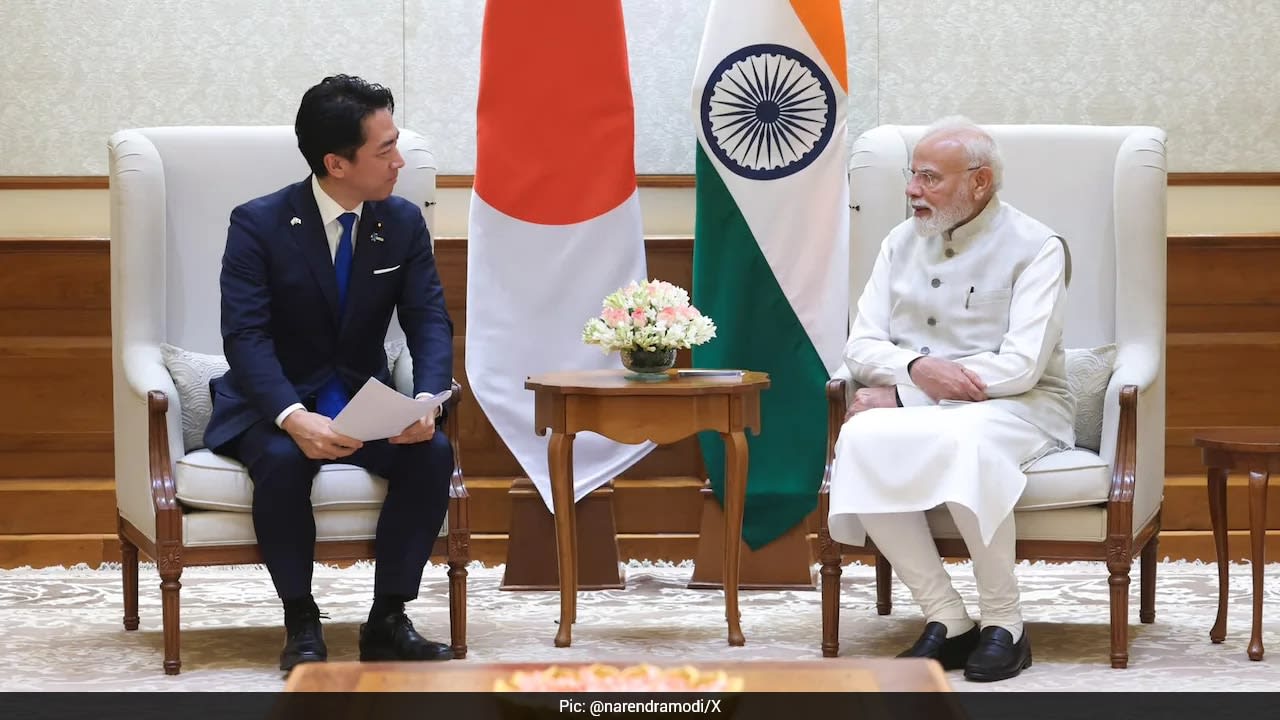
India and Japan have signed a significant maritime security pact to enhance operational cooperation in the Indo-Pacific. The agreement focuses on information sharing, naval exercises, and disaster relief to promote a free and open region.
Strengthening the Indo-Pacific Architecture
On August 20, 2026, India and Japan took a historic step forward in their bilateral military relations by signing a Memorandum of Arrangement (MoA) on Maritime Security Cooperation. During high-level talks in New Delhi, Defence Minister Rajnath Singh and his Japanese counterpart, Shinjiro Koizumi, codified a framework designed to bolster operational synergy between the Indian Navy and the Japan Maritime Self-Defense Force. This agreement represents a pivotal evolution in the "Japan-India Special Strategic and Global Partnership," moving beyond diplomatic rhetoric into concrete, functional military integration.
Core Pillars of the Maritime Pact
The newly signed MoA serves as a force multiplier for both nations by formalizing cooperation in three critical areas: Maritime Domain Awareness (MDA), Search and Rescue (SAR) operations, and Humanitarian Assistance and Disaster Relief (HADR). By establishing a streamlined process for information sharing, the two nations can significantly enhance their situational awareness across the vast Indo-Pacific theater. This technical interoperability is essential for monitoring maritime traffic and responding rapidly to regional emergencies or security threats.
Strategic Implications for Regional Stability
The timing of this agreement is significant, as both New Delhi and Tokyo have expressed strong opposition to unilateral actions that threaten the freedom of navigation and overflight. In an era of heightened global tensions, the pact underscores a mutual commitment to maintaining a rules-based order. By securing vital Sea Lines of Communication, India and Japan are effectively signaling their intent to serve as anchors for stability in a region increasingly characterized by geopolitical competition and attempts to unilaterally alter the status quo.
Technological and Operational Synergy
Beyond basic security, the agreement signals a deeper integration of defence capabilities. Minister Rajnath Singh specifically welcomed Japan’s recent review of its defence equipment and technology transfer framework, opening the door for more sophisticated collaborative efforts. The inclusion of ship repair and logistics support in their cooperative agenda indicates that both militaries are preparing for long-term, sustainable presence in the Indian and Pacific Oceans, reducing reliance on third-party infrastructure and bolstering their collective self-reliance.
Future Trajectories and Regional Cooperation
Looking ahead, this pact is likely to serve as a blueprint for future multilateral engagements. By deepening their naval cooperation, India and Japan are enhancing their ability to conduct joint exercises and coordinated patrols. As the two nations continue to align their strategic interests, the focus will likely shift toward more advanced technology transfers and joint capacity building with other regional partners who share a vision of a free and open Indo-Pacific. This agreement not only cements the bilateral bond but also recalibrates the regional security balance, ensuring that both nations remain agile in the face of evolving maritime challenges.
Multiple Citing Sources
Verification Required?