‘Historic agreement’: Trump announces Hamas disarmament deal under 20-point plan
Source Entity
The Indian Express
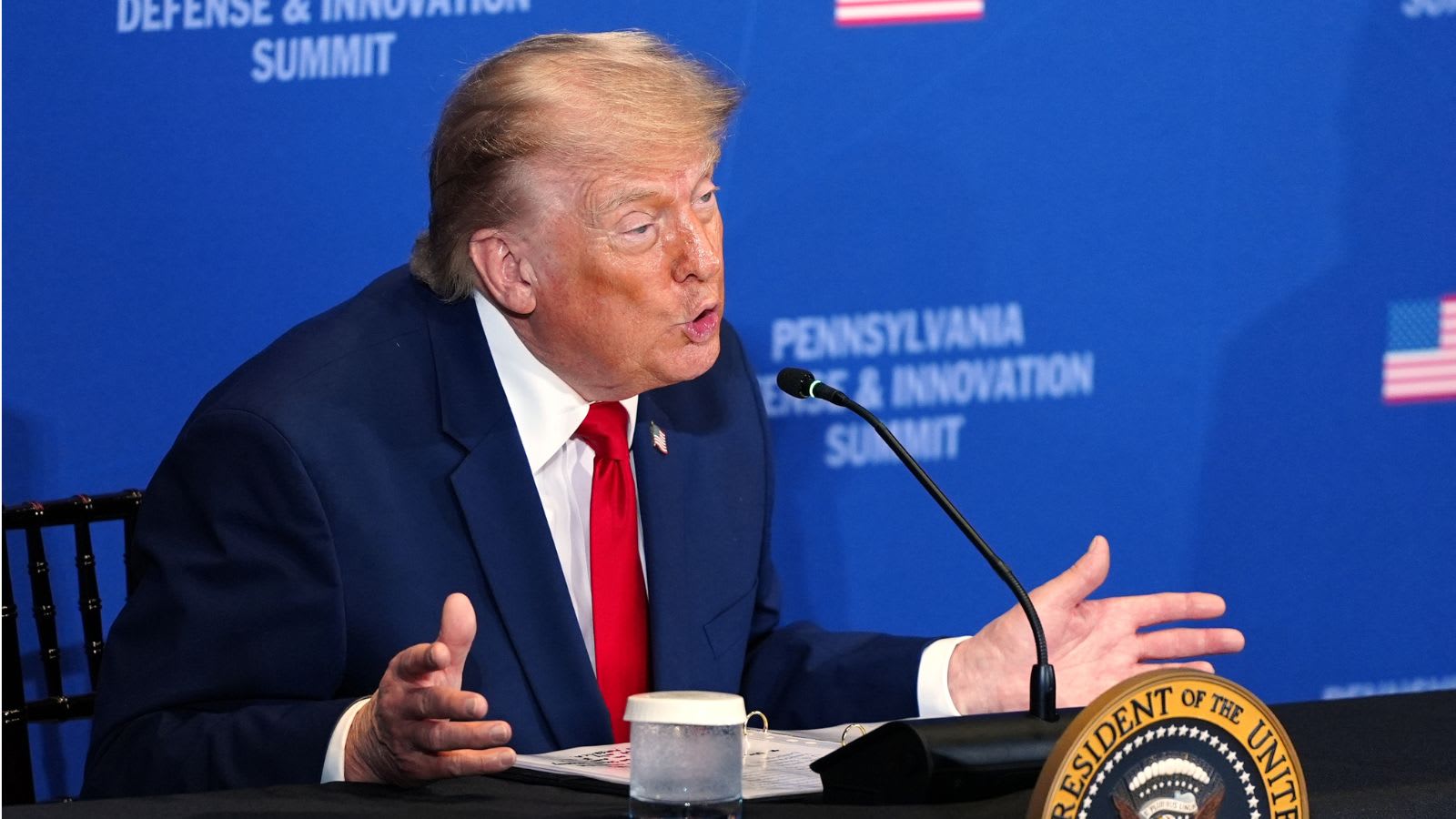
President Trump has announced a historic agreement for the phased disarmament of Hamas in Gaza, facilitated by his newly formed Board of Peace. The plan aims to transition Gaza toward a new Palestinian administration and eventual Israeli withdrawal as part of a broader 20-point peace roadmap.
A New Framework for Stability in Gaza
US President Donald Trump has announced a significant development in the ongoing conflict in Gaza, declaring that his newly formed 'Board of Peace' has secured an agreement for the complete disarmament of Hamas and other armed militant groups. This announcement, framed as a cornerstone of his '20-Point Plan,' signals a shift in the diplomatic approach to the region, focusing on a structured, phased process intended to culminate in lasting security and the eventual withdrawal of Israeli forces.
The Role of the Board of Peace
The 'Board of Peace,' an entity recently established by the administration, appears to be the primary vehicle for this diplomatic initiative. By positioning this body as a mediator, the administration is attempting to formalize a path forward that bypasses historical stalemates. The involvement of regional mediators, including Egypt, Qatar, and Türkiye, underscores the complex multilateral efforts required to facilitate such a delicate transition, as noted in the recent announcements.
Phased Disarmament and Governance
The core of the agreement rests on a phased implementation strategy. As disarmament progresses, the plan envisions a transition to a new Palestinian administration, effectively decoupling the governance of Gaza from the military operations of armed groups. This structural change is designed to address the vacuum of authority that has historically hindered reconstruction efforts and regional stability.
Israeli Withdrawal and Security Implications
A critical element of the agreement is the clear linkage between the completion of disarmament and the withdrawal of Israeli forces. By tying these two conditions together, the plan attempts to create a reciprocal security guarantee. The administration asserts that this process will ensure that Gaza no longer poses a security threat to Israel, thereby satisfying the fundamental security concerns that have fueled the conflict for decades.
Challenges and Strategic Uncertainties
Despite the optimistic framing from the White House, the agreement faces significant hurdles. Notably, there has been no public comment from either Hamas or the Israeli government regarding their participation in, or endorsement of, this specific deal. The ambiguity surrounding the buy-in from these primary stakeholders suggests that while the 'Board of Peace' has established a roadmap, the practical implementation remains subject to intense negotiation and potential resistance on the ground.
Future Outlook
The success of this initiative will be measured by its ability to translate high-level diplomatic milestones into tangible security on the ground. The '20-Point Plan' represents an ambitious attempt to resolve the conflict through a multi-faceted approach. Whether this 'historic' agreement serves as a turning point or merely a phase in a protracted regional struggle will depend largely on the ability of the Board of Peace to maintain momentum and ensure compliance from all parties involved.