Trump announces 0% tariff on generic medicines for two years; 200% thereafter
Source Entity
TOI BUSINESS DESK
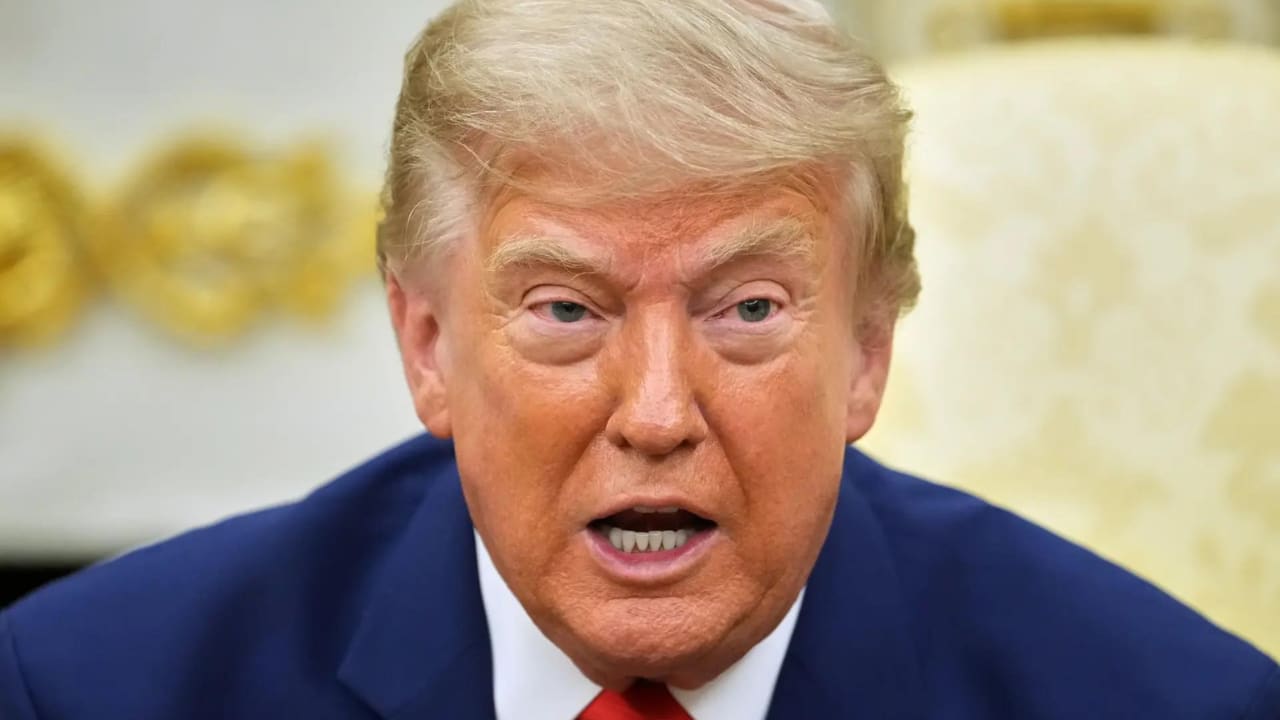
President Donald Trump has announced a phased tariff plan for imported generic drugs, starting with a two-year grace period followed by steep levies to encourage domestic manufacturing. The policy aims to localize pharmaceutical production while leaving patented and branded drug tariffs untouched.
The Strategic Shift in U.S. Pharmaceutical Policy
President Donald Trump has unveiled a significant and aggressive trade policy aimed at restructuring the American pharmaceutical landscape. By announcing a phased tariff schedule for imported generic drugs, the administration intends to force a transition from global supply chains to domestic manufacturing. The plan begins with a two-year window of zero tariffs, providing a grace period for global manufacturers to establish operations within the United States before the economic pressure intensifies.
The Mechanics of the Tariff Escalation
The policy is structured as a clear incentive-based ultimatum for the generic drug industry. Starting August 1, the initial two-year period of zero tariffs serves as a buffer for companies to adjust their logistics. Following this, a 100% levy on imported generics will take effect in August 2028, which is then scheduled to double to a 200% tariff one year later in 2029. This steep escalation is explicitly framed by the administration as a penalty designed to compel corporations to build plants and infrastructure on U.S. soil.
Targeting Generics While Protecting Brands
A critical nuance of this executive strategy is the scope of the policy; the tariffs specifically target generic pharmaceuticals. According to the President's announcements, patented and branded drugs are currently excluded from this tariff regime and will remain unchanged. This distinction suggests that the administration is prioritizing the security of essential, lower-cost medicine supply chains, which are often heavily reliant on foreign manufacturing hubs, rather than targeting the entire pharmaceutical sector at once.
Broader Economic and Regulatory Context
This move toward onshoring is part of a broader administration push to secure national health and economic interests. While the tariff plan addresses manufacturing logistics, it coincides with other administration actions regarding pharmaceutical research, such as the focus on exploring new medical treatments for veterans. By combining trade penalties with research-focused executive orders, the administration is attempting to exert control over both the supply and the innovation pipelines of the American healthcare industry.
Future Implications and Industry Challenges
The pharmaceutical industry now faces a condensed timeline to evaluate the feasibility of relocating complex manufacturing facilities. The requirement to build domestic plants within a two-year window poses significant logistical and regulatory hurdles, particularly regarding FDA compliance and labor availability. As the 2028 deadline approaches, companies will likely be forced to choose between absorbing massive import costs or making substantial capital investments in the U.S. market, a decision that will ultimately reshape the price and accessibility of generic medications for American consumers.
Multiple Citing Sources