‘I know what he wants to do,’ Trump says of Fed’s Warsh, as president presses for rate cuts
Source Entity
Greg Robb
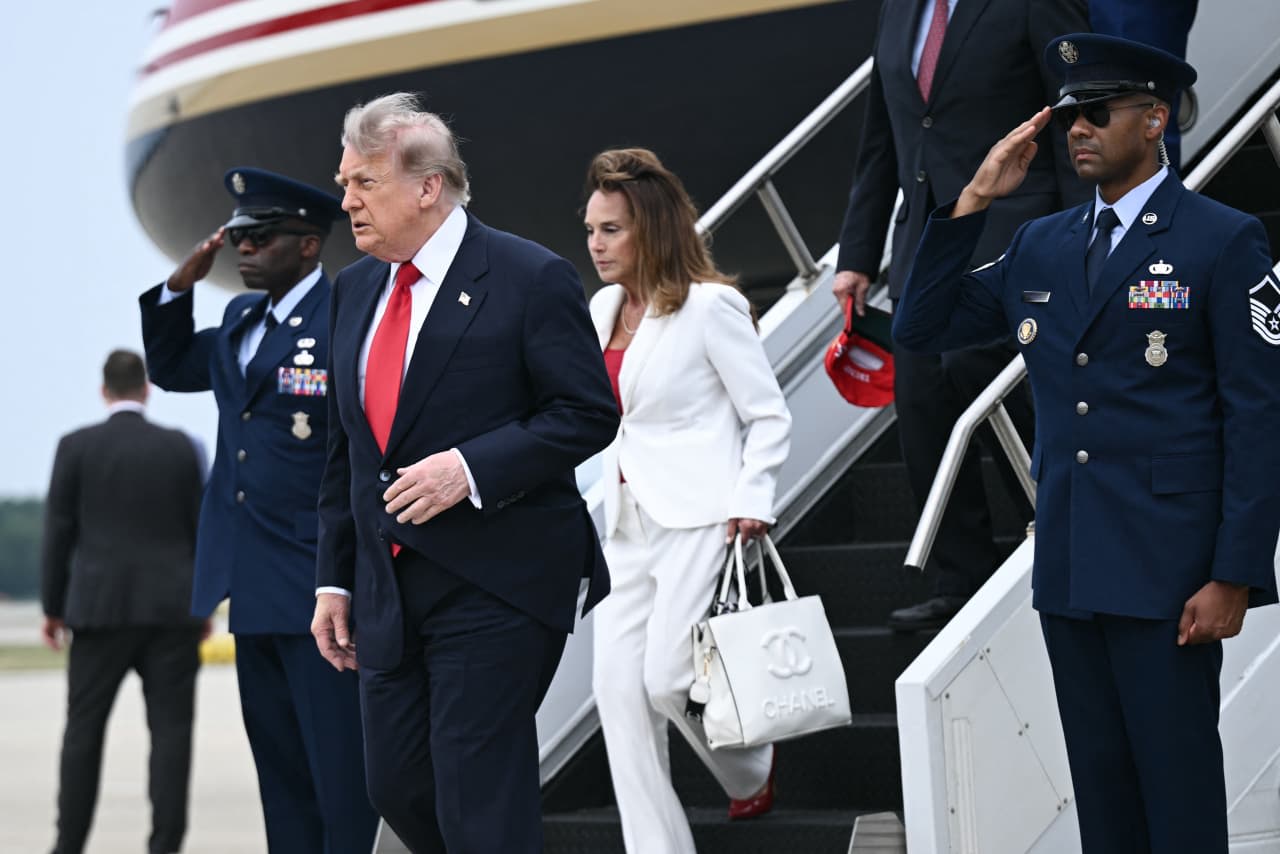
President Trump has publicly backed Federal Reserve Chair Kevin Warsh while pressuring the central bank to lower interest rates. Trump claims that internal opposition from a 'political' Fed board is hindering Warsh's efforts to enact monetary easing.
The Tug-of-War Over Monetary Policy
President Donald Trump has doubled down on his campaign for lower interest rates, positioning himself in direct conflict with the Federal Reserve’s established institutional culture. By publicly endorsing Federal Reserve Chair Kevin Warsh, the President is signaling a strategic attempt to align the central bank with his broader economic growth agenda. Trump’s vocal support for Warsh, whom he describes as wanting to "do the right thing," highlights the administration's belief that current monetary policy remains too restrictive to achieve the desired economic outcomes.
The Challenge of Institutional Resistance
The core of the conflict lies in the President's characterization of the Fed’s Board of Governors as "very political." By framing the board members as an obstructionist force, Trump is attempting to externalize the blame for high interest rates. This narrative suggests that while the leader of the central bank may share the administration's vision for monetary easing, the internal governance structure of the Federal Reserve serves as a buffer—or a barrier—to rapid policy shifts. This dynamic underscores the tension between executive expectations and the Fed's mandate for independence.
Economic Philosophy and Global Competitiveness
President Trump’s insistence that the United States should maintain the "lowest interest rates in the world" reflects a specific economic philosophy centered on aggressive growth and debt management. By linking low rates to national competitiveness, the administration is pressuring the Federal Open Market Committee (FOMC) to prioritize expansionary policy. This rhetoric is designed to resonate with markets and the public, framing the Fed’s potential hesitation not as sound economic caution, but as a failure of intent or a result of political bias.
The Political Implications of Public Pressure
When a President openly critiques the motives of independent regulators, it creates a unique political environment. By asserting that he "knows what [Warsh] wants to do," Trump is essentially creating a public accountability mechanism that forces the Fed Chair into a corner. If Warsh fails to deliver the expected rate cuts, he risks losing the President's favor; conversely, if he acts too aggressively to please the White House, he risks undermining the Fed's reputation for impartiality and long-term economic stewardship.
Future Trends and Market Sentiment
As the FOMC approaches its upcoming meetings, the market will be closely watching for signs of whether Warsh can successfully navigate the internal dissent cited by the President. If the Fed remains unmoved by this executive pressure, we can expect a continued escalation of rhetoric from the White House. This cycle of public pressure and institutional pushback likely signals a period of heightened volatility, as investors attempt to decipher whether monetary policy will be dictated by traditional economic forecasting or by the current administration's electoral and growth-oriented priorities.
Multiple Citing Sources
Verification Required?