Trump To Hold Off New Strikes On Iran, Says "For Future Benefit Of World"
Source Entity
NDTV News Search Records Found 1000
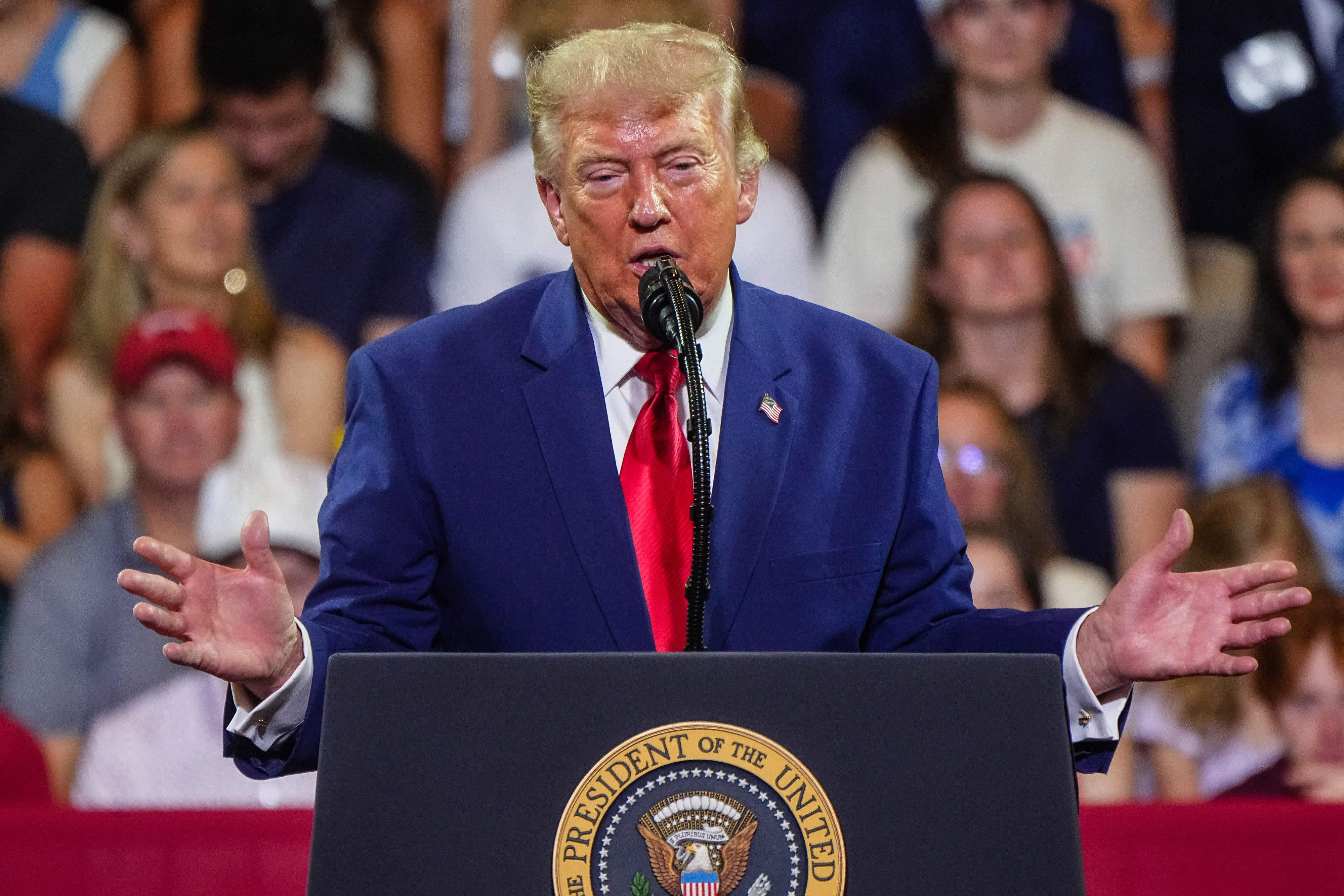
President Donald Trump has cancelled planned military strikes against Iran, citing a potential peace deal. The proposed agreement aims to secure the Hormuz Strait and address Iran's nuclear program.
The Brink of Conflict: Trump’s Strategic Pivot on Iran
Recent developments have seen a dramatic shift in U.S.-Iran relations, as President Donald Trump announced the cancellation of planned military strikes against Tehran. This decision, communicated via Truth Social, follows a period of heightened regional volatility characterized by the threat of imminent tactical operations. By choosing to hold off on military engagement, the administration has signaled a pivot toward diplomatic leverage, albeit one predicated on the rapid finalization of a comprehensive agreement.
The Geopolitical Stakes: Hormuz and Nuclear Proliferation
The proposed framework for this potential deal centers on two critical pillars of international security: the status of the Hormuz Strait and Iran’s nuclear ambitions. The Hormuz Strait serves as one of the world’s most vital maritime chokepoints, and its closure would have catastrophic implications for global energy markets. By conditioning the cancellation of attacks on the 'total opening' of this passage and the cessation of Iran’s nuclear threat, the U.S. is seeking to neutralize two primary sources of regional instability through a singular diplomatic instrument.
Rhetorical Escalation and Military Readiness
Before the announcement of the potential deal, the administration maintained a posture of 'locked and loaded' military readiness. This 'maximum pressure' approach was intended to signal resolve to Tehran, which had previously warned that any regional state cooperating with Washington would be 'engulfed by the flames of war.' The juxtaposition of these aggressive posturing statements with the sudden shift toward negotiation highlights the volatile nature of current U.S. foreign policy, where military force is often positioned as a secondary option to immediate deal-making.
Regional Stability and Public Safety
The tension in the region reached a point where the U.S. government felt compelled to issue warnings to American citizens across the Middle East, advising them to remain alert and prepared for potential evacuation. This serves as a stark reminder of the fragile state of affairs in the region. The decision to hold off on strikes is not merely a political maneuver but a significant development for the safety of personnel and civilians operating within the sphere of influence of both nations.
Future Implications and Diplomatic Viability
Looking forward, the viability of this 'deal' remains the central question. While President Trump has stated that the perimeters of an agreement have been acknowledged by Iran and other regional partners, the history of U.S.-Iran relations suggests that moving from a verbal understanding to a binding, enforceable treaty is fraught with difficulty. Should these negotiations fail, the threat of renewed military escalation remains a distinct possibility, as the administration has clearly signaled its capacity and willingness to revert to force if the diplomatic window closes.
Verification Required?