Trump defends Russia diesel deal after bipartisan pushback: 'I made the right choice'
Source Entity
US Top News and Analysis
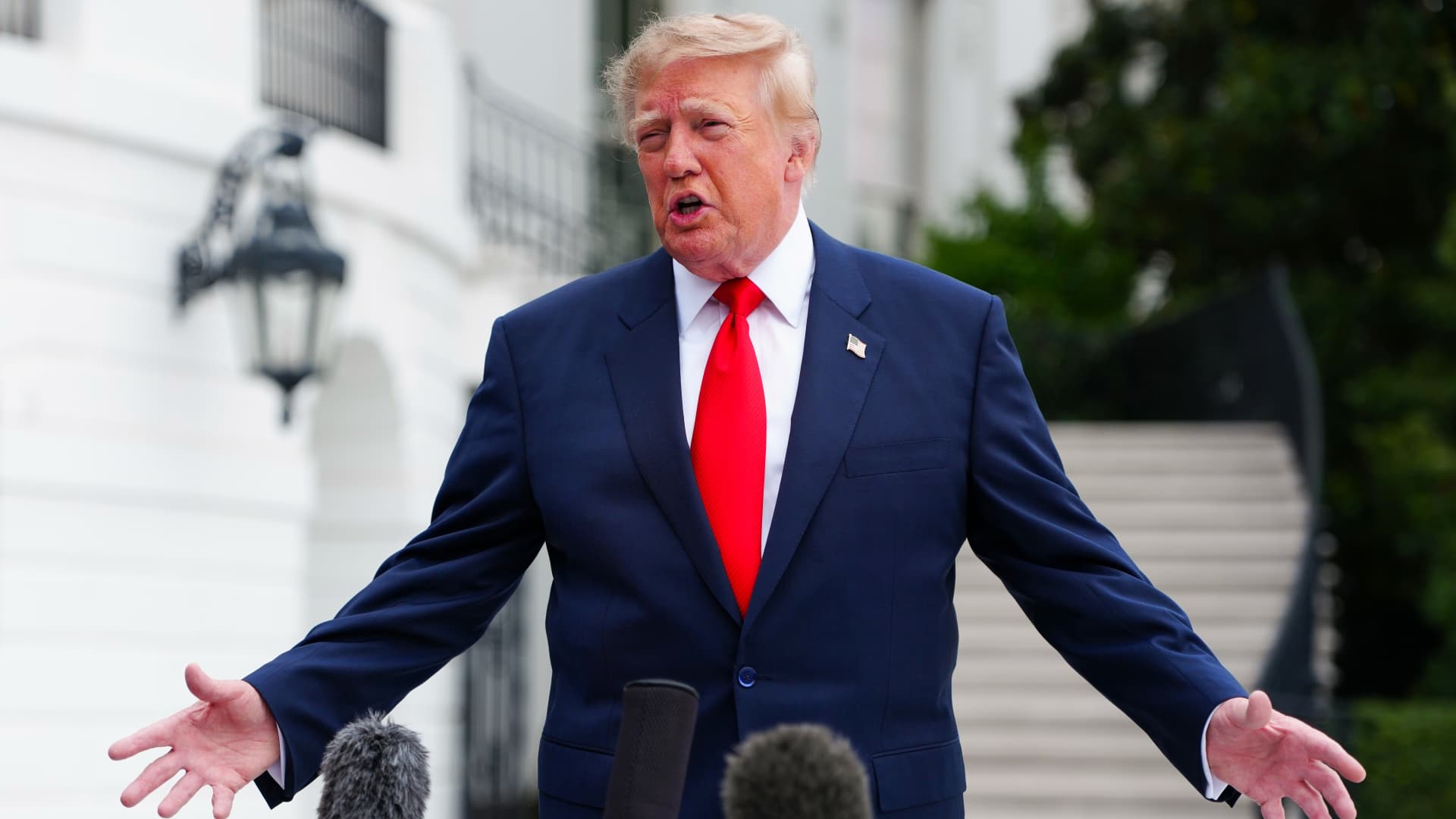
President Donald Trump has defended his decision to ease sanctions on Russian diesel exports despite bipartisan criticism. Ukrainian President Volodymyr Zelenskyy has denounced the move, arguing it benefits Moscow's strategic interests.
The Geopolitical Fallout of the Russian Diesel Sanctions Easing
President Donald Trump’s recent decision to temporarily ease restrictions on Russian diesel fuel exports has ignited a significant firestorm in Washington. The policy shift, which arrived amidst ongoing global energy volatility, has been met with immediate bipartisan pushback from lawmakers who view the move as a departure from the established sanctions regime intended to squeeze the Russian economy. The administration maintains that this is a calibrated decision, though it highlights the complex balancing act between domestic energy prices and foreign policy objectives.
The Perspective from Kyiv
Ukrainian President Volodymyr Zelenskyy has been a vocal critic of the administration's pivot, explicitly stating that easing sanctions on Moscow "plays into Russia's hands." For Kyiv, any loosening of the economic vice grip on the Kremlin is perceived as a direct contradiction to the international effort to isolate Russia following the 2022 invasion. This disagreement underscores a deepening rift between the current U.S. administration and the Ukrainian leadership regarding the efficacy of energy-sector sanctions as a tool for geopolitical leverage.
Trump’s Defense and the 'Hypocrisy' Narrative
In a post on Truth Social, President Trump defended the move by pivoting to the European Union’s historical reliance on Russian energy. Trump claimed that the EU has funneled $250 billion into the Russian economy for energy supplies, accusing the media of hypocrisy for focusing on his administration's actions while ignoring the substantial volume of previous EU imports. This tactic serves to deflect domestic criticism by reframing the debate from a question of policy ethics to a perceived double standard held by the media and his political opponents.
Economic Context and Energy Markets
While the specific figure of $250 billion cited by the President aligns with various estimates of EU fossil fuel spending since early 2022, the political impact of these figures is intended to justify the pragmatic necessity of the diesel deal. By highlighting the EU’s dependence, the administration is likely attempting to normalize the integration of Russian energy products back into global supply chains. However, this strategy faces significant hurdles as it risks undermining the credibility of the broader sanctions architecture that the U.S. has spent years building with its G7 partners.
Future Implications for Sanctions Policy
Looking forward, this development suggests a potential shift toward a more transactional approach to sanctions, where energy availability may take precedence over punitive isolation. If the administration continues to prioritize the stabilization of global diesel markets over total economic containment, it may face continued resistance from Congress and international allies. The long-term consequence could be a fragmented global energy market where the efficacy of sanctions is increasingly dictated by individual national interests rather than a unified Western front.