Trump says nearly 200 firms have signed pledge to protect Americans from costs arising from datacenters
Source Entity
Dharna Noor
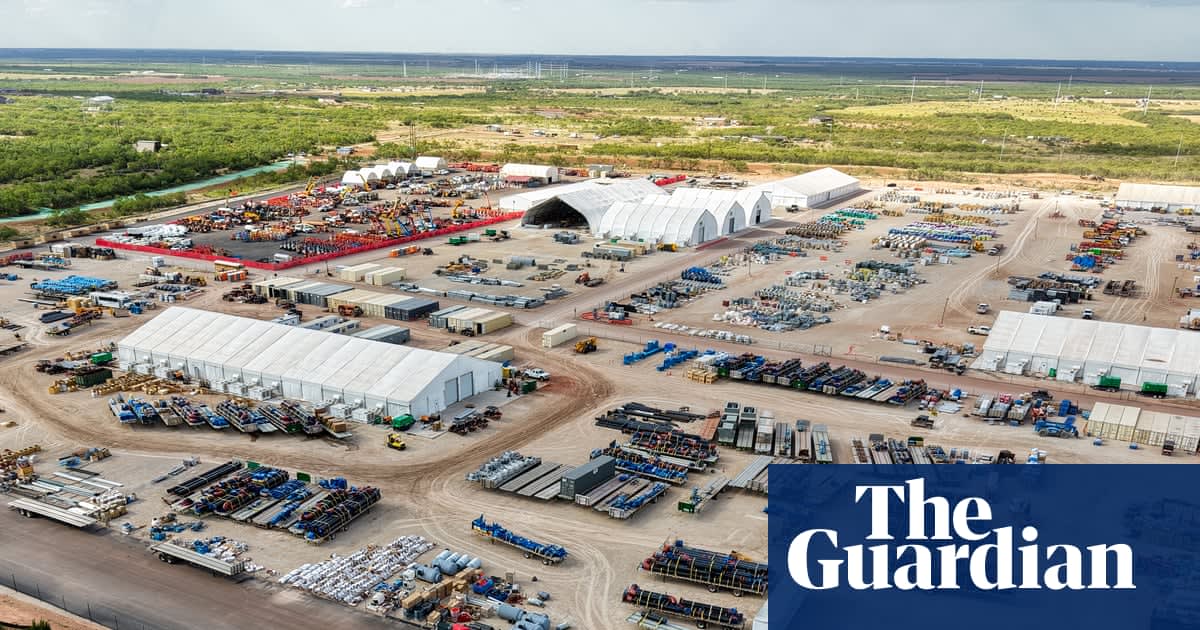
The Trump administration is proposing an EPA rule change that could limit public input on new data center infrastructure. Simultaneously, the administration has secured a non-binding pledge from 200 firms aimed at shielding ratepayers from the costs of AI energy expansion.
The Intersection of AI Infrastructure and Regulatory Policy
The rapid expansion of artificial intelligence infrastructure has placed an unprecedented strain on the United States power grid, necessitating the construction of massive data centers. These facilities, which often rely on dedicated gas plants and diesel generators for backup power, have become a focal point of environmental and community concern. The Trump administration is currently navigating this tension by balancing industrial growth with regulatory shifts that could redefine how local communities interact with industrial development.
Proposed EPA Rule Changes and Public Participation
At the heart of the current debate is a proposed rule change by the Environmental Protection Agency (EPA) that would grant individual states the authority to determine the level of public participation required during the permitting process for new air pollution sources. By potentially removing requirements for public notice, this shift could streamline the development of data centers. However, this raises significant questions regarding democratic oversight, as communities across the US have increasingly utilized the existing permitting process as a primary mechanism to voice opposition and demand transparency regarding local environmental impacts.
The 'Ratepayer Protection Pledge'
Simultaneously, the administration is addressing the economic anxieties surrounding the AI boom through the 'Ratepayer Protection Pledge.' Announced by Donald Trump and supported by EPA Administrator Lee Zeldin and Energy Secretary Chris Wright, this non-binding commitment now includes approximately 200 entities. The pledge aims to ensure that the massive financial burden of upgrading energy infrastructure for AI does not fall on the shoulders of the average American consumer. This represents a strategic attempt to de-risk the AI transition politically by separating corporate infrastructure costs from household utility bills.
Institutional Alignment and Industry Support
The scope of this initiative is substantial, with the pledge now covering companies responsible for 80% of power delivery to US households. The presence of high-profile governors, including Brian Kemp of Georgia and Mike DeWine of Ohio, at the EPA headquarters signals a concerted effort to align state-level energy policy with federal administrative goals. By bringing together major tech firms—including industry giants like Google, Microsoft, Meta, and OpenAI—the administration is attempting to create a unified front that prioritizes rapid technological scaling while attempting to mitigate public backlash.
Future Implications for Energy and Democracy
As the demand for AI computation continues to grow, the tension between industrial expediency and public oversight will likely intensify. The proposed EPA rule change suggests a future where the 'speed to market' for critical infrastructure may take precedence over traditional environmental public comment periods. Conversely, the success of the non-binding pledge depends heavily on corporate adherence to the promise of shielding consumers from costs. The coming years will determine whether this framework successfully balances the nation's technological ambitions with the rights and financial protections of the citizens living in the shadow of these massive data centers.