Trump says he spoke recently to Fed Chairman Warsh, denies regular calls
Source Entity
US Top News and Analysis
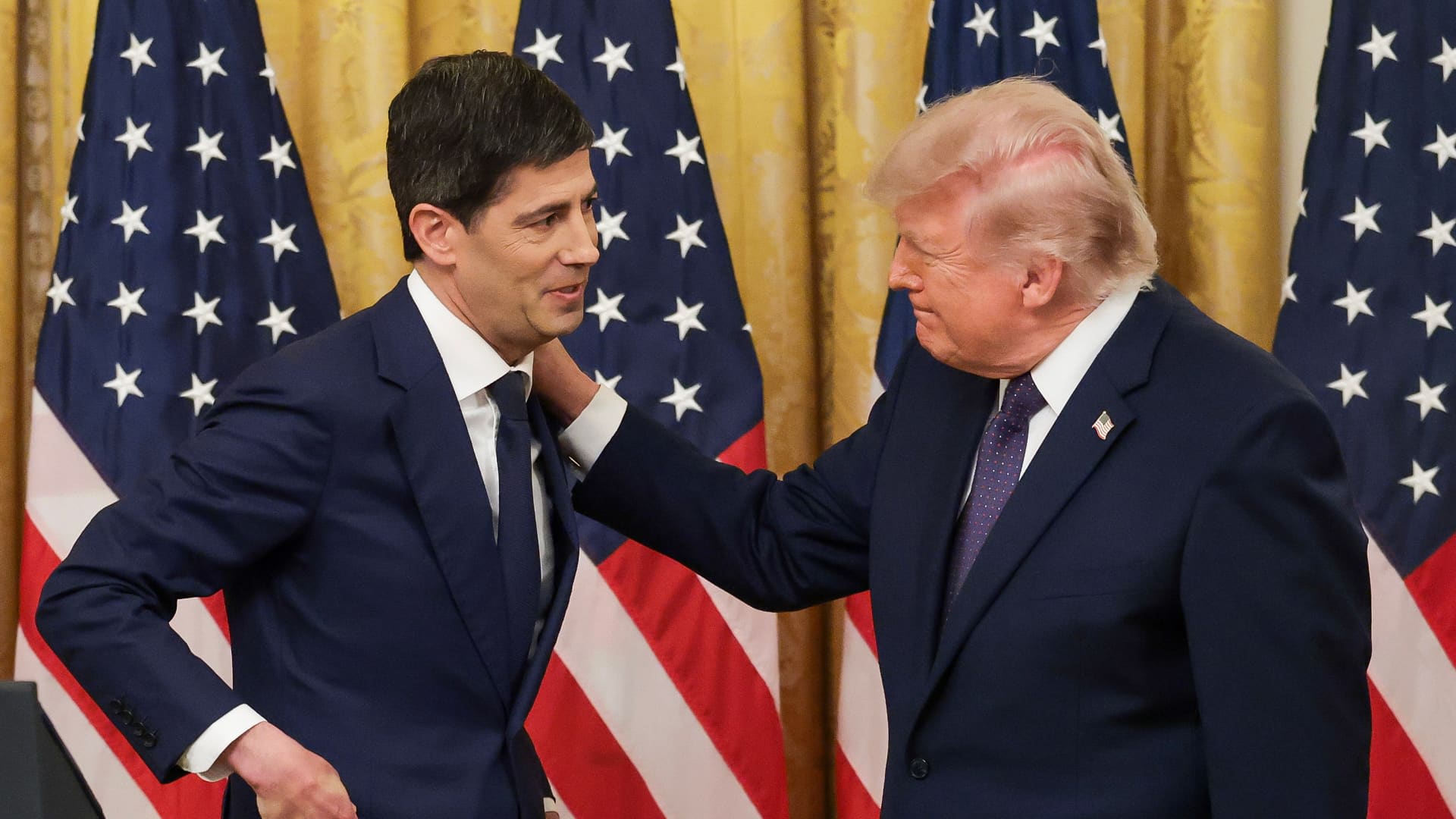
President Trump confirmed a single recent contact with Federal Reserve Chairman Kevin Warsh, refuting reports of frequent communication. This exchange highlights ongoing tensions regarding the central bank's independence during Trump's term.
The Intersection of Executive Pressure and Monetary Policy
President Donald Trump has confirmed that he recently engaged in a brief conversation with the newly appointed Federal Reserve Chairman, Kevin Warsh. This acknowledgement follows a period of intense speculation and media reporting, specifically from the Wall Street Journal, which suggested a pattern of recurring communication between the White House and the central bank. By confirming a single, brief interaction while explicitly denying the claim of 'regular calls,' the administration is attempting to manage the optics of its relationship with an institution traditionally insulated from political pressure.
The Historical Mandate of Fed Independence
The Federal Reserve occupies a unique position in the American political landscape, designed to operate with a degree of independence that shields monetary policy from short-term political cycles. Historically, presidents have largely maintained a 'hands-off' approach to the Fed to ensure that interest rate decisions remain data-driven rather than politically motivated. President Trump’s deviation from this norms, by openly weighing in on interest rate policy, represents a significant departure from the practices of his predecessors, fueling widespread concern among economists and market analysts regarding the erosion of institutional autonomy.
Analyzing the Warsh Doctrine
Kevin Warsh, in his capacity as the new Fed Chairman, has navigated this high-pressure environment by adopting a stance of open communication coupled with rigorous independence. Warsh has publicly stated that while he is receptive to feedback from the President—or indeed any other party—regarding the state of the economy and interest rates, the ultimate decision-making process remains firmly within his purview. This 'open-door' policy is a strategic attempt to balance the necessity of hearing executive perspectives with the absolute requirement of maintaining the Fed's mandate to act in the best interest of the national economy.
Broader Economic Implications
The ongoing debate over the nature of these communications carries significant weight for financial markets. Investors and stakeholders rely heavily on the predictability and independence of the Federal Reserve to make long-term capital investments. When the boundary between the White House and the Fed appears blurred, it can introduce volatility into bond markets and alter expectations for future interest rate hikes or cuts. The sensitivity surrounding these interactions suggests that even minor, singular contacts are scrutinized for their potential to influence macroeconomic outcomes.
Future Trends and Institutional Stability
As we look forward, the relationship between the Trump administration and the Warsh-led Fed will likely remain a focal point of fiscal and monetary analysis. Should the frequency of these contacts increase, it could lead to a fundamental shift in how the Fed is perceived by international markets and domestic observers. Conversely, if the administration respects the boundaries outlined by Warsh, the central bank may successfully restore confidence in its ability to function as an independent arbiter of monetary policy. The current situation remains a critical test of the resilience of U.S. economic institutions in a polarized political climate.