Trump plans steep tariffs on generic drugs starting in 2028 to spur U.S. production
Source Entity
US Top News and Analysis
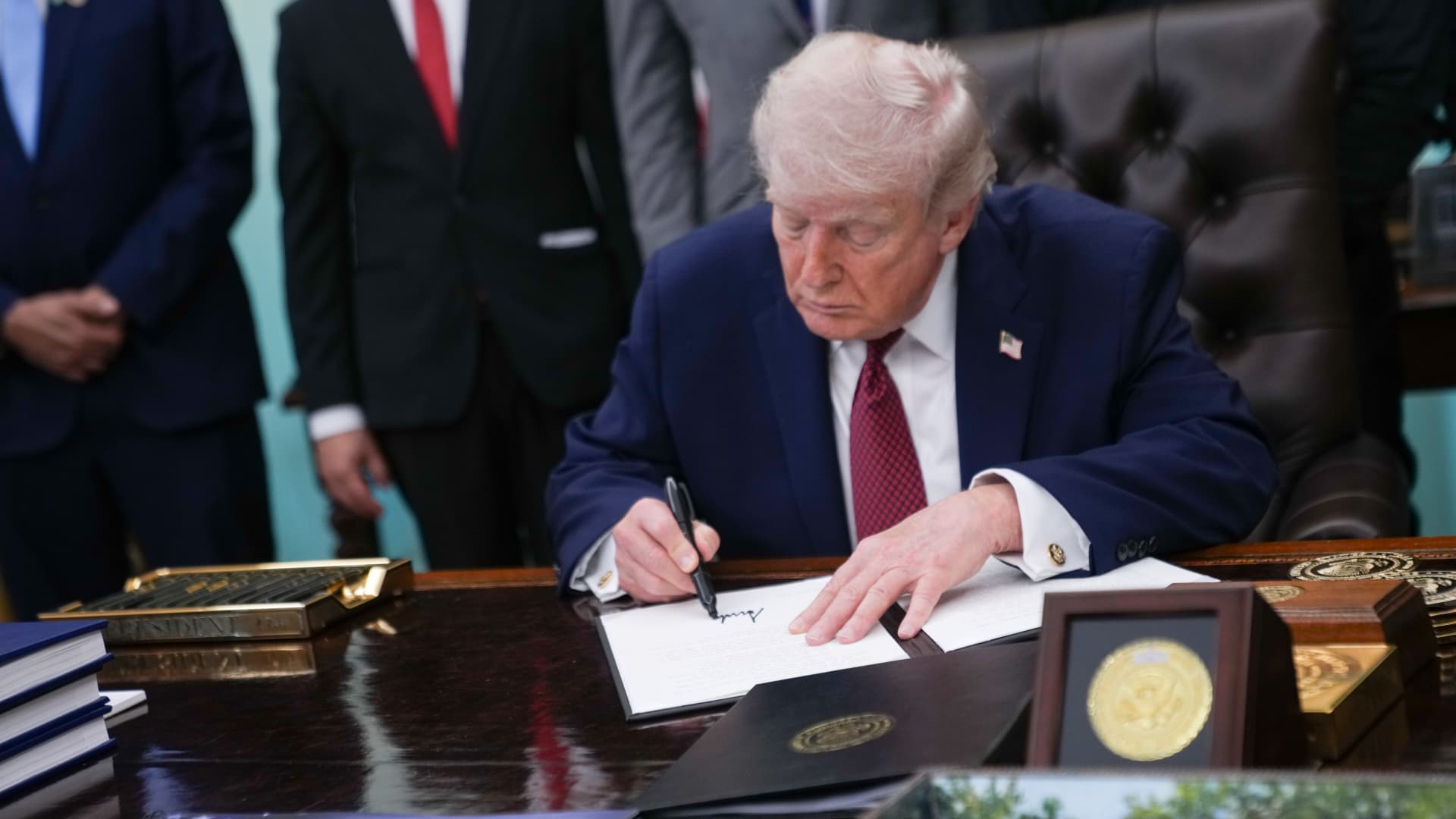
President Trump has announced a phased tariff plan for imported generic drugs, rising to 200% by 2029 to force domestic production. The policy creates a two-year grace period before penalties begin, specifically targeting generic supply chains while exempting branded pharmaceuticals.
The Strategic Shift in U.S. Pharmaceutical Supply Chains
President Donald Trump has announced a significant shift in U.S. trade policy concerning the pharmaceutical sector, specifically targeting imported generic drugs. Under the new directive, these products will face a tiered tariff structure, beginning with a zero-tariff grace period for two years starting August 1, 2026. Following this window, the administration plans to implement a 100% tariff in August 2028, which will escalate to a 200% levy by August 2029. This aggressive trade posture is explicitly designed to incentivize pharmaceutical companies to relocate their manufacturing facilities to the United States.
The Rationale Behind Onshoring
The core objective of this policy, as stated by the administration, is to protect the health and security of the American public by ensuring a more resilient domestic supply chain. By penalizing reliance on foreign-manufactured generics, the White House aims to reduce dependency on overseas facilities. This move reflects a broader protectionist economic strategy that prioritizes national sovereignty in critical infrastructure, of which pharmaceuticals are considered a vital component.
Distinguishing Between Drug Categories
It is essential to note that this policy is highly targeted. The executive directive specifically focuses on generic drugs, leaving the tariff status of patented and branded pharmaceuticals unchanged. This distinction suggests that the administration intends to disrupt the low-cost import model that currently dominates the generic market, while potentially avoiding immediate, broad-spectrum shocks to the high-end, research-heavy branded drug sector.
Implications for Global Markets and India
The plan carries significant implications for major global suppliers of generic medications, such as India, which serves as a primary source for the U.S. generic drug market. Given the scale of the proposed tariffs—reaching 200% within three years—generic manufacturers face a stark choice: absorb the costs, pass them on to the consumer, or commit to the capital-intensive process of establishing domestic U.S. manufacturing plants. The two-year grace period serves as a transition window for these firms to adjust their global supply strategies.
Future Trends and Economic Challenges
Looking toward 2028 and beyond, the success of this policy will depend on the ability of the U.S. to scale its domestic manufacturing capacity rapidly. Critics may argue that such sharp increases in tariffs could lead to supply shortages or price hikes for essential medications if domestic production is not ramped up effectively during the grace period. As the administration continues to focus on health-related executive actions, such as the ongoing research into alternative medical treatments for veterans, the pharmaceutical industry will remain at the center of both domestic political discourse and international trade negotiations.
Multiple Citing Sources