0%, 100%, 200%: Trump's New Generic Drug Tariff Plan May Impact India
Source Entity
NDTV News Search Records Found 1000
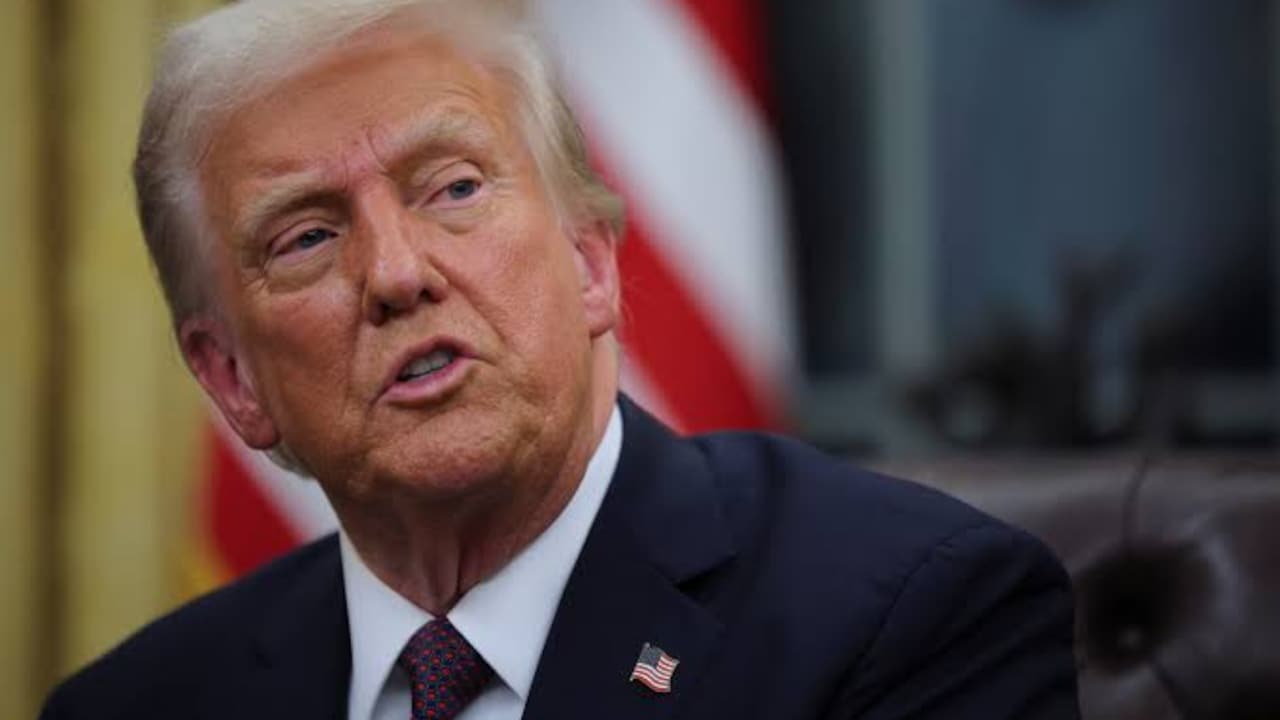
President Trump has announced a phased tariff plan on imported generic drugs, beginning with a two-year grace period and escalating to 200% by 2029. This policy aims to force pharmaceutical manufacturers to onshore production to the United States to ensure domestic supply chain security.
The Strategic Shift in U.S. Pharmaceutical Policy
President Donald Trump has announced a significant shift in U.S. trade and pharmaceutical policy, detailing a phased tariff schedule for imported generic drugs. Starting August 1, 2026, these imports will face a two-year period of zero tariffs, serving as a grace period before the implementation of aggressive protectionist measures. By August 2028, a 100% tariff will be applied to these goods, with that figure doubling to 200% by August 2029. This policy specifically targets generic medications, leaving patented and branded drugs unaffected by this new levy structure.
Objectives: Onshoring and Supply Chain Resilience
The stated objective of this policy, according to the administration, is to protect the American public by incentivizing the onshoring of pharmaceutical manufacturing. By imposing what the President has described as a "penalty" for companies that maintain foreign production facilities, the administration seeks to force manufacturers to build plants and infrastructure within the United States. This move reflects a broader geopolitical trend of prioritizing domestic industrial capacity over globalized supply chains, particularly for essential goods such as life-saving medications.
Economic Implications for Global Manufacturers
The pharmaceutical industry, which relies heavily on global distribution networks, faces a stark ultimatum. Countries with large generic export sectors, such as India, are likely to feel the most significant impact from these changes. The phased nature of the tariff increases is designed to give companies a definitive window—the two-year grace period—to either relocate their operations or face prohibitive costs that would render their current business models untenable in the U.S. market.
Distinguishing Between Drug Classes
It is important to note the scope of this executive action. By explicitly excluding patented and branded drugs from the tariff schedule, the administration is focusing its industrial policy strictly on the generic market. This suggests a targeted effort to secure the most common, high-volume medications that form the backbone of the American healthcare system. While branded drugs currently retain their status, the separation of these categories highlights a deliberate attempt to manage the affordability and availability of basic prescriptions through domestic production mandates.
Future Trends and Market Realignment
Looking ahead, the success of this policy will depend on the speed and willingness of pharmaceutical companies to invest in U.S.-based manufacturing. The transition to a 200% tariff by 2029 represents a massive shift in economic policy that will likely reshape the pharmaceutical landscape. If manufacturers choose not to onshore, the U.S. market may face significant supply chain disruptions, necessitating rapid government intervention or a reliance on domestic "reshoring" initiatives. Conversely, if the strategy succeeds, it could lead to a permanent restructuring of how generic drugs are sourced, manufactured, and distributed to the American populace.
Multiple Citing Sources
Verification Required?