Trump imposing 50% tariffs on certain Canadian goods over alleged trade discrimination
Source Entity
US Top News and Analysis
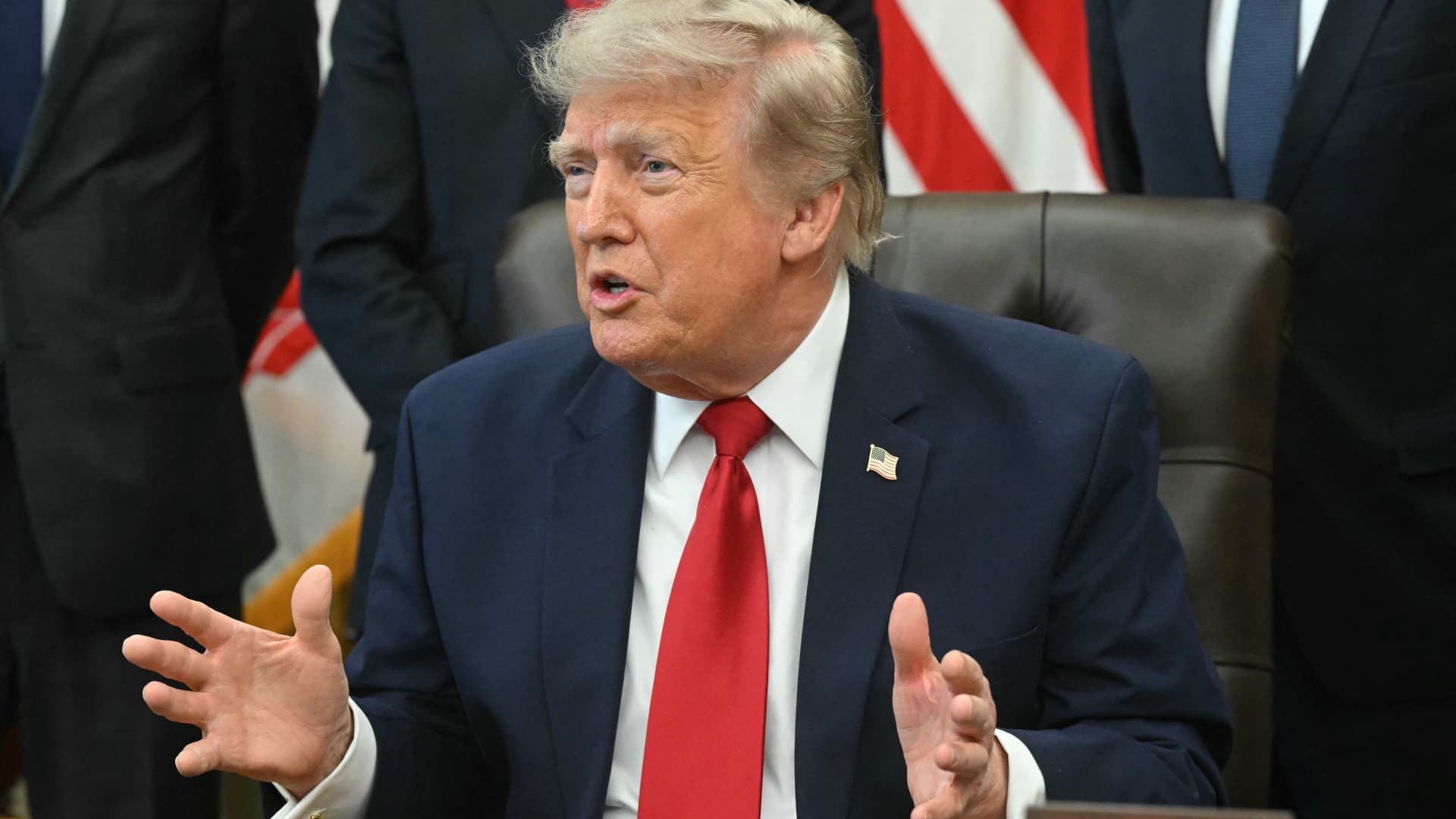
President Trump has imposed 50% tariffs on most Canadian goods, citing alleged trade discrimination against U.S. automobiles, alcohol, and dairy. This move significantly escalates bilateral tensions and challenges the existing framework of the USMCA trade agreement.
The Escalation of U.S.-Canada Trade Tensions
President Donald Trump has initiated a significant shift in North American trade policy by imposing 50% tariffs on a wide range of Canadian imports. This aggressive move, executed through three separate presidential proclamations, marks a pivotal moment in the relationship between the two nations. According to administration officials, the tariffs are a direct response to what the U.S. characterizes as unfair trade discrimination against American motor vehicles, alcohol, and dairy products.
Legal Framework and Strategic Justification
The administration is leveraging Section 338 of the Trade Act of 1930 to justify these measures, positioning the tariffs as a necessary tool to "level the playing field." By targeting sectors that were previously protected under the United States-Mexico-Canada Agreement (USMCA), the White House is signaling a willingness to bypass established trilateral frameworks to achieve its economic objectives. Officials have explicitly stated that this action is intended to hold Canada accountable for its perceived retaliation against previous U.S. trade policies.
Economic Implications and Sectoral Impact
While the 50% tariff is comprehensive, it does contain specific exemptions. Energy products, potash, fish, and critical minerals remain excluded from the new tax regime, likely to prevent immediate supply chain collapses in sectors vital to U.S. infrastructure and industry. However, the inclusion of goods previously protected by the USMCA introduces significant economic uncertainty. Experts warn that this could lead to increased inflationary pressure on consumer goods and create volatility for businesses that rely on the historically integrated supply chains between the two countries.
A History of Fraying Diplomatic Ties
The current trade dispute is not an isolated incident but rather the culmination of long-standing friction. The relationship has been progressively strained by the administration's vocal displeasure with the trilateral trade pact and broader grievances, including environmental concerns such as wildfire smoke drifting from Canada into the U.S. These cumulative tensions suggest a departure from the collaborative approach that has defined the U.S.-Canada partnership for decades.
Future Outlook and Policy Trajectory
Looking ahead, the situation remains fluid and potentially volatile. With aides reportedly examining the possibility of imposing additional tariffs, the threat of further escalation is high. The administration’s firm stance indicates that trade policy will continue to be used as a primary lever of foreign policy. As both nations grapple with these new economic realities, the stability of North American trade relations will depend on whether future negotiations can reconcile the administration's demand for accountability with the necessity of maintaining a functional, integrated continental economy.
Multiple Citing Sources