Trump imposes 50% tariff on Canadian imports
Source Entity
BBC News
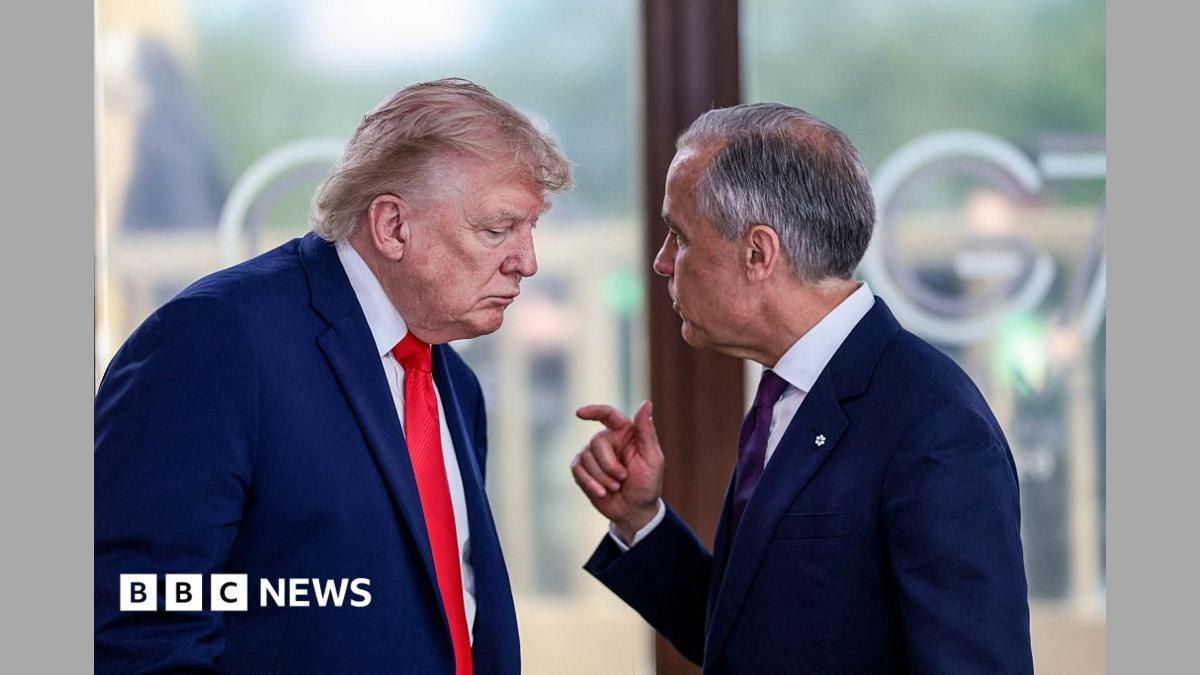
President Trump has announced a 50% tariff on various Canadian imports, citing unfair trade practices in the automotive, dairy, and alcohol sectors. The duties, set to take effect on August 19, mark a significant escalation in North American trade tensions.
Escalation in North American Trade Relations
US President Donald Trump has officially signed an executive order imposing a 50% tariff on a broad spectrum of Canadian goods. This move, which is scheduled to take effect on August 19, represents a significant hardening of the Trump administration's trade policy toward its northern neighbor. The administration justifies these steep duties as a necessary corrective measure to address what it characterizes as the "unequal treatment" of key American exports, specifically targeting the automotive, dairy, and alcohol industries.
Strategic Motivations and Targeted Sectors
The White House has framed this decision as a mechanism to "level the playing field" for American businesses that have allegedly faced discriminatory trade practices from Ottawa. By focusing on sectors like motor vehicles, dairy, and alcohol, the administration is targeting industries that have long been points of contention in bilateral negotiations. The breadth of the tariffs is extensive, impacting everything from consumer goods like wine and hockey sticks to industrial commodities such as commercial cement.
Economic Implications and Strategic Exemptions
While the scope of the tariffs is wide, the administration has been careful to exclude certain essential commodities from these punitive measures. Energy products, potash, critical minerals, and fish remain exempt, suggesting a strategic effort to protect US supply chains that are deeply integrated with Canadian resources. This bifurcation—punishing consumer and industrial goods while maintaining access to critical raw materials—highlights the complex, interdependent nature of the US-Canada economic corridor.
Broader Context of Trade Tensions
This decision arrives during a period of heightened friction regarding the trilateral trade pact between the US, Canada, and Mexico. President Trump’s vocal dissatisfaction with current trade arrangements has created a volatile environment for North American commerce. The decision to invoke these tariffs via three separate proclamations underscores the administration’s intent to address specific, multifaceted grievances through aggressive executive action rather than traditional, prolonged diplomatic negotiation.
Future Outlook and Regional Stability
As the August 19 implementation date approaches, the potential for retaliatory measures from Ottawa remains high. Historically, trade disputes between the US and Canada have the potential to disrupt integrated manufacturing processes, particularly in the automotive sector. Moving forward, observers will be watching to see if this escalation leads to a renegotiation of existing trade frameworks or if it signals a long-term shift toward a more protectionist US trade posture that prioritizes domestic manufacturing over established regional partnerships.
Multiple Citing Sources