U.S. hits Canada with stiff new tariffs, escalating trade tensions
Source Entity
Greg Robb
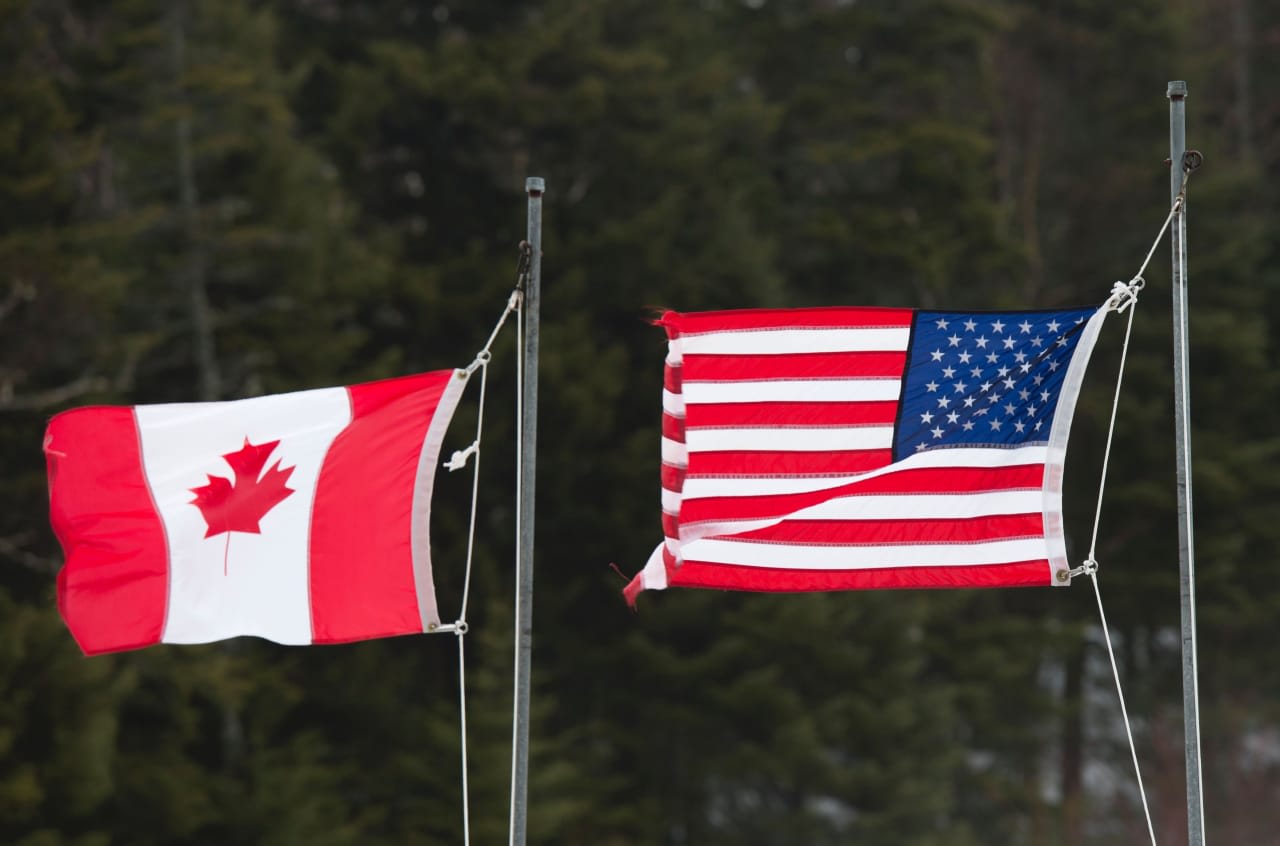
President Trump has imposed 50% tariffs on a broad range of Canadian goods, citing unfair trade practices in the automotive, dairy, and alcohol sectors. This move significantly escalates bilateral trade tensions and challenges the existing USMCA trade framework.
The Escalation of U.S.-Canada Trade Tensions
President Donald Trump has initiated a significant shift in North American trade policy by announcing 50% tariffs on a wide array of Canadian imports. This move, executed through three distinct presidential proclamations, represents a major disruption to the established economic relationship between the two nations. By citing alleged trade discrimination against American industries—specifically motor vehicles, dairy, and alcohol—the administration is positioning this aggressive tariff strategy as a necessary step to 'level the playing field' for U.S. exporters.
Legal Framework and Strategic Justification
The administration is leveraging Section 338 of the Trade Act of 1930 to justify these measures. Officials have framed the decision as a response to Canada's previous retaliatory actions against earlier U.S. trade policies, placing Canada in a category of nations that the White House believes must be held accountable. While the tariffs are broad in scope, the administration has carved out specific exemptions for energy products, potash, fish, and critical minerals, likely to prevent immediate domestic shortages or supply chain disruptions in essential sectors.
Impact on the USMCA and Bilateral Ties
This policy shift directly impacts the trilateral trade framework previously established under the United States-Mexico-Canada Agreement (USMCA). The USMCA was designed to provide stability and protection for cross-border commerce, but these new tariffs suggest that the administration is willing to bypass or override existing protections when trade disputes arise. The tension is compounded by the administration’s vocal dissatisfaction with the current state of the trilateral pact, signaling a potential move toward more protectionist, bilateral negotiations at the expense of regional trade integration.
Economic Uncertainty and Industry Repercussions
The imposition of such steep tariffs creates immediate economic uncertainty for businesses heavily reliant on integrated supply chains. Industries like the automotive sector, which rely on parts crossing the border multiple times during the manufacturing process, face significant cost increases that could be passed on to consumers. Furthermore, the targeting of the Canadian dairy and alcohol industries mirrors long-standing trade grievances that have periodically flared up in North American relations, though rarely with such punitive intensity.
Future Trends and Diplomatic Outlook
Looking ahead, the situation appears poised for further escalation. With reports indicating that administration aides are already examining the possibility of additional tariffs, Canada is likely to face sustained pressure to alter its domestic trade policies. The rift risks long-term damage to bilateral relations, as Canada is historically one of the United States' most significant trading partners. The ability for both nations to navigate these disputes without a full-scale trade war will depend on whether diplomatic channels can address the grievances regarding automobiles and dairy before the economic costs of the 50% tariffs destabilize the broader North American market.
Multiple Citing Sources
Verification Required?