Trump imposes 50% tariffs on most Canadian goods, cites trade disputes
Source Entity
TOI WORLD DESK
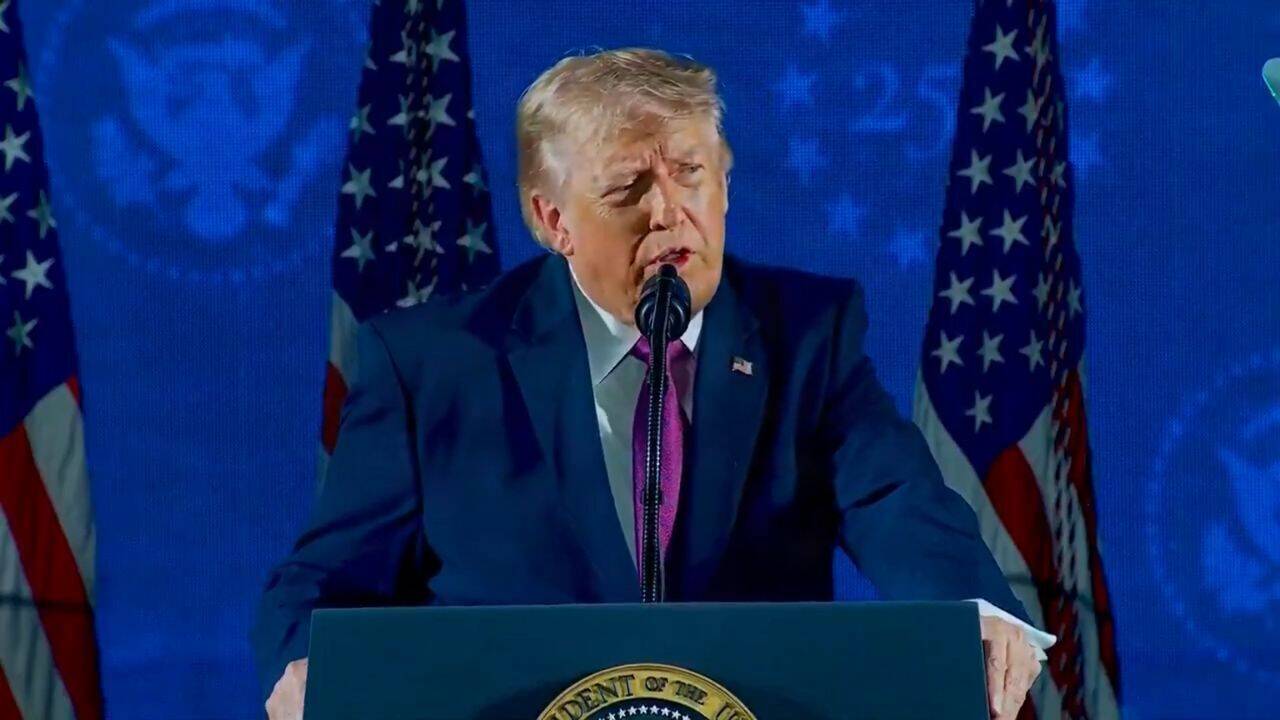
President Trump has imposed 50% tariffs on a wide range of Canadian goods, citing unfair trade practices and environmental concerns. The move, set to take effect August 19, marks a significant escalation in North American trade tensions and threatens to disrupt established USMCA protections.
The Escalation of North American Trade Tensions
President Donald Trump has initiated a significant shift in North American trade policy by announcing a 50% tariff on a vast array of Canadian imports. This aggressive move, formalized through three proclamations signed under Section 338 of the Trade Act of 1930, represents a departure from the cooperative framework previously established under the United States-Mexico-Canada Agreement (USMCA). By targeting goods that were formerly protected from such levies, the administration is signaling a new era of protectionist enforcement aimed at addressing perceived imbalances in the bilateral trade relationship.
Motivations Behind the Tariffs
The administration’s justification for these tariffs is multifaceted, centering on allegations of unfair discrimination against American automobiles, alcohol, and dairy products. Beyond these economic grievances, the President has also linked the decision to environmental factors, specifically citing the impact of smoke from Canadian wildfires drifting into the United States. This unusual conflation of trade policy and environmental grievances underscores the administration's willingness to utilize economic levers to address non-traditional geopolitical irritants, effectively holding Canada accountable for cross-border externalities.
Scope and Strategic Exemptions
While the 50% tariff is broad in its application—impacting everything from consumer goods like wine and sporting equipment to industrial materials like commercial cement—it is not comprehensive. The administration has explicitly excluded essential categories such as energy products, potash, critical minerals, and fish. These strategic exemptions suggest a calculated attempt to protect critical supply chains and domestic resource security while simultaneously exerting maximum economic pressure on the broader Canadian manufacturing and consumer goods sectors.
Economic Implications and Market Uncertainty
The implementation of these duties, scheduled for August 19, introduces profound economic uncertainty for businesses on both sides of the border. By bypassing the established dispute resolution mechanisms of the USMCA, the administration risks triggering retaliatory measures, potentially leading to a cycle of trade escalation. Economists warn that such volatility could contribute to inflationary pressures within the United States, as the increased costs of imported goods are frequently passed down to the consumer, disrupting the integrated supply chains that have defined the North American economy for decades.
Future Trends and Bilateral Relations
Looking ahead, the relationship between Washington and Ottawa faces a period of intense strain. With White House aides already examining the possibility of imposing additional tariffs, the current situation appears to be part of a broader, long-term strategy of aggressive trade enforcement. The precedent set by this move suggests that the administration is prepared to prioritize domestic protectionism over historical diplomatic ties. As these tariffs take effect, the focus will shift to how Canada responds and whether the North American trade bloc can survive this fundamental reordering of its foundational agreements.
Multiple Citing Sources