"Discriminatory Treatment": US Imposes New 50% Tariffs On Certain Canadian Goods
Source Entity
NDTV News Search Records Found 1000
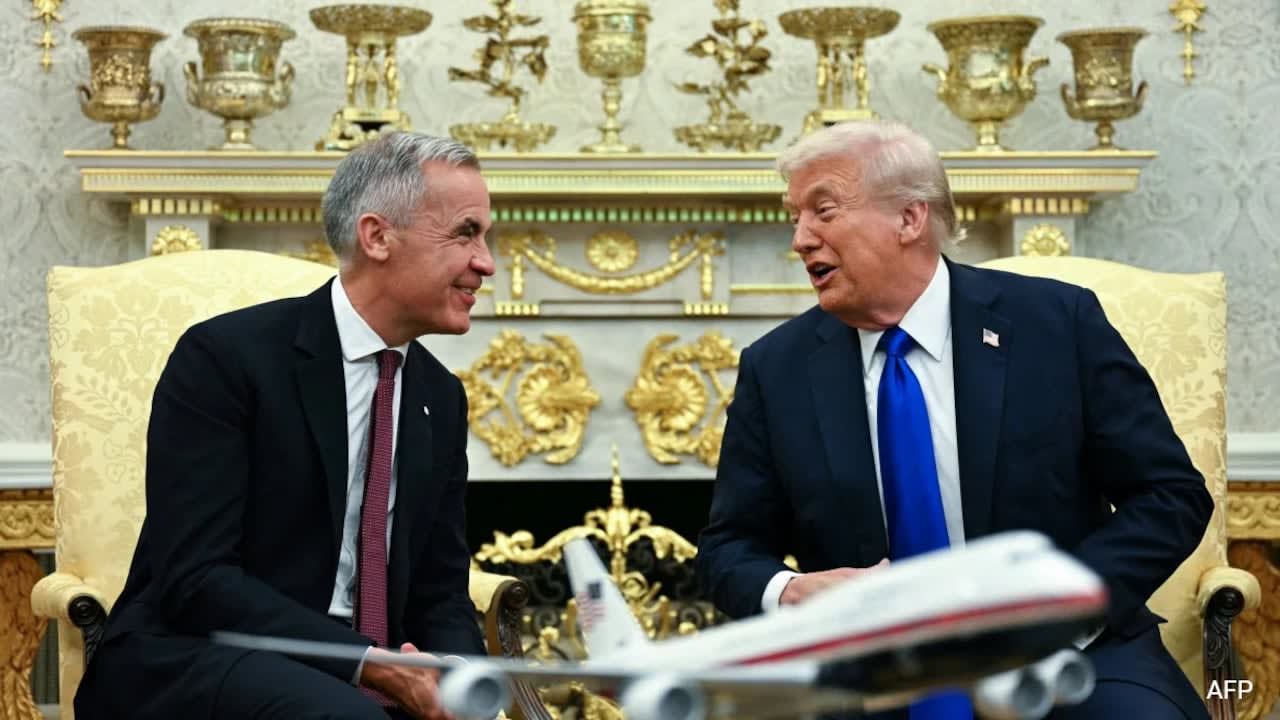
President Trump has imposed 50% tariffs on a broad range of Canadian goods, citing alleged trade discrimination against American automobiles, alcohol, and dairy. This move signals a significant escalation in trade tensions between the two nations, impacting the USMCA framework.
The Escalation of US-Canada Trade Tensions
President Donald Trump has initiated a significant shift in North American trade policy by imposing 50% tariffs on a wide range of Canadian imports. This aggressive move, formalized through three separate presidential proclamations, marks a pivotal moment in the bilateral relationship between the United States and Canada. By citing alleged trade discrimination against U.S. industries—specifically motor vehicles, alcohol, and dairy products—the administration is signaling a departure from the cooperative framework that has historically governed the two nations' economic ties.
Legal Framework and Justification
The administration’s decision is rooted in Section 338 of the Trade Act of 1930, a tool utilized to address what officials describe as unfair trade practices. Senior administration officials explicitly stated that the move is intended to "level the playing field" for American exports. Furthermore, the administration has framed this action as a form of accountability, suggesting that Canada’s past retaliation against earlier U.S. tariffs necessitates a firm response. This legal maneuver effectively bypasses traditional negotiation channels, opting instead for direct economic pressure.
Impact on the USMCA and Economic Stability
These tariffs directly challenge the stability of the trilateral trade pact between the United States, Canada, and Mexico (USMCA). The agreement, designed to provide certainty for North American trade, is now being tested by the administration's willingness to impose levies on goods previously protected under its terms. This move introduces a high degree of economic uncertainty for businesses that rely on integrated supply chains across the northern border. The focus on automobiles—a sector deeply intertwined between the two countries—is particularly noteworthy for its potential to disrupt manufacturing hubs.
Strategic Exclusions and Future Outlook
While the scope of the tariffs is broad, the administration has notably exempted energy products, potash, fish, and critical minerals. This suggests a strategic attempt to protect specific American industrial needs while simultaneously exerting maximum pressure on other sectors. However, the situation remains fluid. Reports indicate that administration aides are already examining the possibility of imposing additional tariffs, suggesting that this 50% levy may be just the beginning of a sustained period of trade friction.
Broader Geopolitical Implications
Beyond the immediate economic fallout, this policy shift indicates a hardening stance from the Trump administration regarding international trade alliances. By grouping Canada with other nations that have previously faced U.S. trade actions, such as China, the White House is signaling that no trade relationship is immune to its "America First" agenda. As the U.S. continues to prioritize domestic production and protectionist policies, the long-term viability of established trade blocs will likely face further strain, potentially forcing Canada to seek new economic partnerships or reassess its reliance on the U.S. market.
Multiple Citing Sources
Verification Required?