US Imposes New Tariffs On 60 Countries Over Forced Labour Concerns: Report
Source Entity
NDTV News Search Records Found 1000
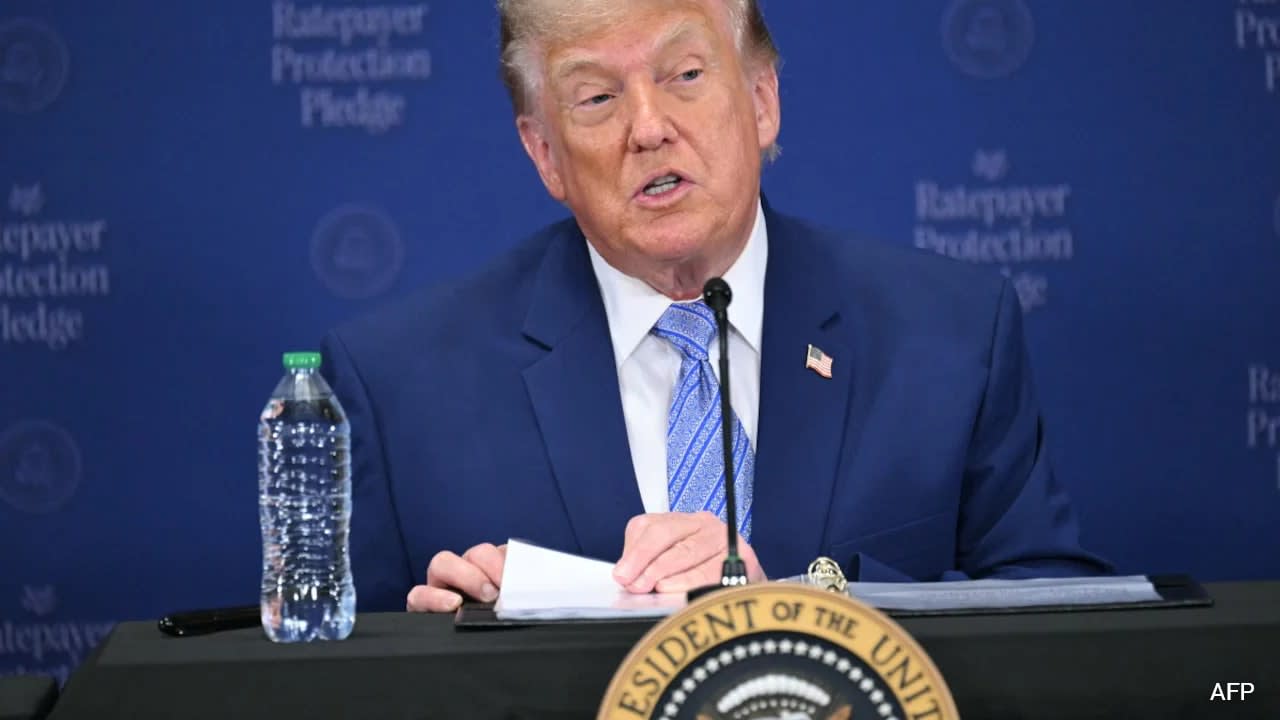
The Trump administration has imposed new tariffs on 60 countries, including a 10% levy on India and a 50% increase on Canadian goods, citing concerns over forced labor. These measures replace expiring temporary duties and affect nearly all U.S. imports.
The Reshaping of Global Trade Policy
The Trump administration has initiated a sweeping overhaul of U.S. trade policy, implementing new tariffs on 60 trading partners following an extensive investigation into forced labor practices. These measures, which take effect immediately following the expiration of temporary global duties introduced in February, represent a significant hardening of the administration's stance on international labor standards and supply chain integrity.
Targeting Forced Labor Under Section 301
At the core of this policy shift is the utilization of Section 301 of the Trade Act of 1974. By invoking this legal framework, the administration has categorized these tariffs as a direct response to the failure of foreign nations to prohibit or effectively enforce restrictions against goods produced using forced labor. India, for instance, has been subjected to a 10% tariff, a rate that places it alongside nations like Pakistan, Sri Lanka, and Bangladesh. While India managed to secure a rate lower than the 12.5% initially proposed, the action underscores a broad-based punitive approach that covers over 99% of total U.S. imports.
Escalating Tensions with North American Partners
Beyond the broad-based forced labor tariffs, the administration has taken specific, aggressive action toward Canada. The imposition of a 50-percent tariff on a significant volume of Canadian products marks a dramatic escalation in regional trade friction. This move suggests that the administration is not merely targeting emerging markets for labor standards but is also willing to leverage massive economic pressure against its closest neighbors and primary trade allies to achieve specific, though currently undisclosed, policy goals.
Legal Context and Administrative Strategy
The implementation of these tariffs comes after a series of legal setbacks that hampered the administration's earlier trade agenda. By moving these duties into the Federal Register, the White House is aiming to solidify its trade strategy despite previous judicial challenges. The transition from temporary, blanket 10% tariffs to this more complex, tiered structure suggests a move toward a more permanent, albeit contentious, protectionist framework.
Economic and Global Implications
While the Office of the U.S. Trade Representative has stated that revenue estimates for these tariffs are unavailable, the scale of the policy—affecting 99.4% of U.S. trade—is unprecedented. Economists and global markets are now bracing for the inflationary impact of these duties. As the administration continues to prioritize its 'America First' trade agenda, the global supply chain faces a period of intense volatility. Future trends suggest that nations will likely be forced to reform their internal labor enforcement mechanisms rapidly if they wish to negotiate lower tariff rates or seek exemptions from the current U.S. trade regime.
Multiple Citing Sources
Verification Required?