On TV, Trump lies as he brags about 'very friendly negotiations' with Iran but Tehran says no talks?
Source Entity
Latest News: Todays Latest News Headlines from India & World | Hindustan Times | Hindustan Times
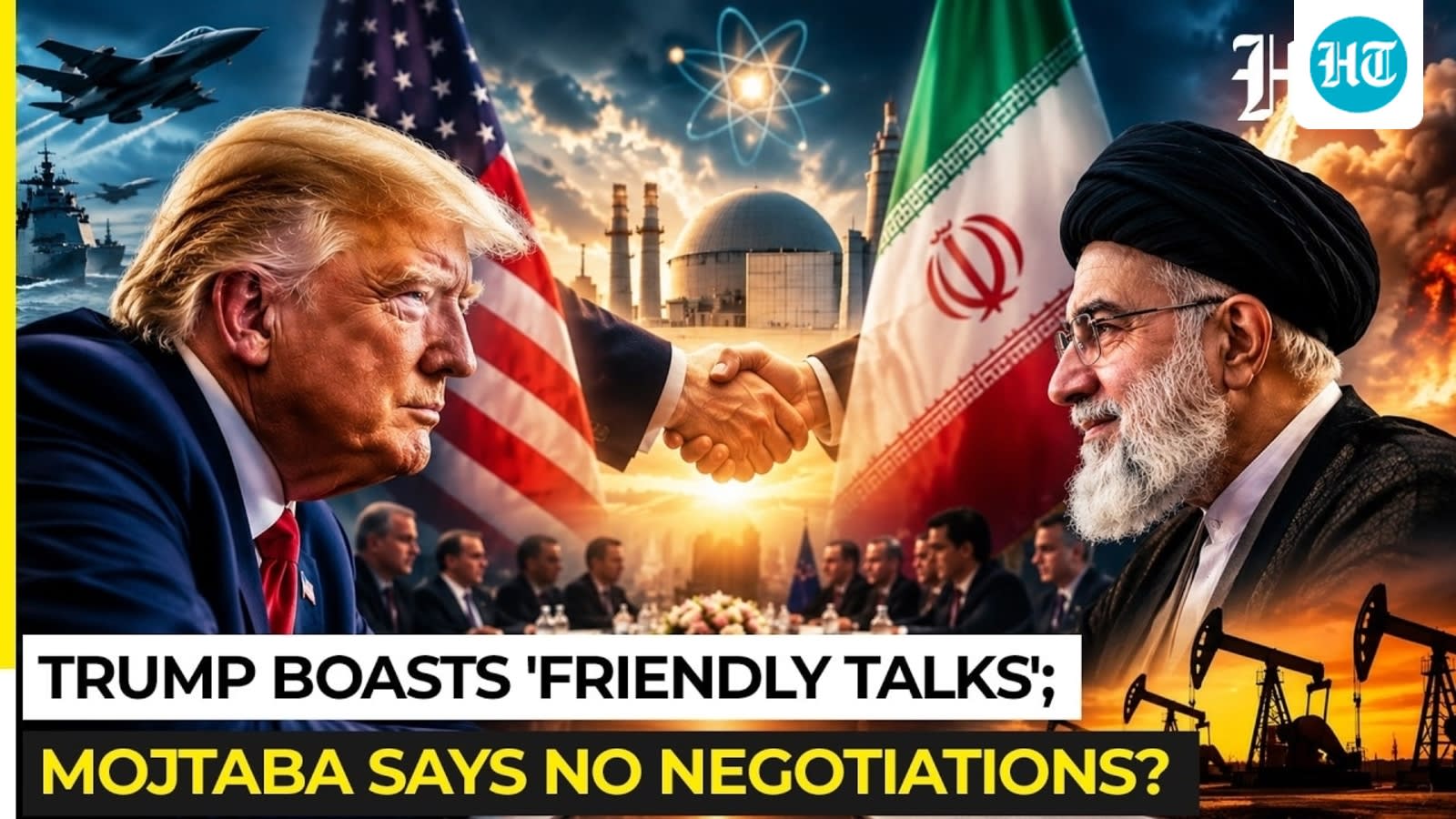
President Trump has expressed optimism regarding potential negotiations with Iran amid a three-day pause in hostilities. While Iran denies direct bilateral talks with the US, they are engaged in high-level diplomatic discussions with regional neighbors regarding the Strait of Hormuz.
Diplomatic Tensions and the Search for De-escalation
Recent developments in the Middle East have seen a sudden, albeit fragile, lull in kinetic military actions between the United States and Iran. Following nearly two weeks of daily strikes, President Donald Trump has indicated that a window for diplomacy has opened, suggesting a "good chance" that a resolution to the current conflict could be achieved. This pause in hostilities, now in its third day, marks a significant shift from the preceding cycle of escalation that threatened to destabilize the region further.
The Disconnect in Diplomatic Channels
A critical point of contention remains the nature of these "negotiations." While President Trump asserts that "friendly negotiations" are underway, Tehran has explicitly denied that any direct talks are taking place between Iranian and American officials. This discrepancy highlights the complexity of back-channel diplomacy, where third-party intermediaries—likely regional powers—act as conduits to prevent total war. Trump’s acknowledgement that he paused military strikes at the behest of these mediators suggests that the current peace is held together by fragile, indirect communication.
The Strategic Importance of the Strait of Hormuz
Parallel to the US-Iran friction, Iran has intensified its diplomatic outreach to Saudi Arabia and Oman, specifically focusing on the Strait of Hormuz. Foreign Minister Seyyed Abbas Araqchi’s recent phone calls with his counterparts in Riyadh and Muscat underscore the maritime passage's role as a global economic artery. By engaging with regional neighbors, Iran is attempting to stabilize its immediate periphery, perhaps as a strategy to isolate the conflict from broader regional trade interests and mitigate the economic impact of ongoing geopolitical volatility.
The Risks of Failure
President Trump has maintained a clear ultimatum: should these diplomatic efforts fail, the United States is prepared to revert to its previous military posture. This strategy of "maximum pressure" combined with a diplomatic off-ramp creates a high-stakes environment where any single miscalculation could lead to an immediate resumption of strikes. The current state of affairs is best described as a "precarious pause," where the absence of violence is contingent upon the perceived progress of these opaque negotiations.
Regional Implications and Future Trends
Moving forward, the situation remains fluid. If the talks regarding the Strait of Hormuz yield results, it could provide a blueprint for broader de-escalation. However, if the disconnect between Washington’s narrative of progress and Tehran’s denial of direct talks persists, the risk of a miscommunication leading to renewed conflict remains high. The role of regional mediators like Oman—often a neutral broker in Middle Eastern disputes—will be the deciding factor in whether this lull turns into a lasting ceasefire or merely a temporary tactical retreat for both sides.
Verification Required?